The LED bulb is at the forefront of technology and innovation in the world of lighting.
It is a bulb that has undergone many developments in recent years, and its uses are growing and spreading into many fields.
This bulb has many advantages and creates huge savings in energy consumption, as well as being environmentally friendly.
The huge potential of this bulb and the uses it is set to fulfil, the ideas for developing the technology that keep accumulating and taking the stage.
It is all in the article below.
The main advantages of LED
- The LED bulb has an especially long life compared with ordinary bulbs and fluorescent bulbs. It is a bulb that can last up to about 50,000 hours, and some sources even credit it with 100,000 hours.
That is about 11 years of continuous light. By comparison, a fluorescent bulb lasts on average about 12,000 hours.
One of the reasons for this is the fact that the bulb has no filament that heats up and burns out.
- The LED bulb saves energy by a significant margin over its competitors. The savings reach 80%.
That is, 80% of the electrical energy is converted into light, while only 20% of the energy is converted into heat, for example.
It is economical in electricity consumption and economical in heat emission.
- The LED bulb is environmentally friendly, contains no toxic chemicals such as mercury, and can be recycled.
With LED you replace fewer bulbs because of its long life, and so reduce the waste of faulty bulbs.
- The high quality of the LED bulb is one of its strongest features.
It is a bulb made of materials resistant to weather damage, humidity and moisture.
It is more resistant to breakage and can be integrated into textiles without the fire risk of ordinary bulbs.
It is resistant to vibration, external knocks, wind, rain and more.
More advantages worth knowing
- The bulb does not heat up to the level that other bulbs do, if at all.
The bulb can be touched without any problem, and the risk of fire from using it is nil.
Another reason why using an LED bulb is economical – it does not affect the temperature in the space, so there is no need to cool a space where LED bulbs are installed.
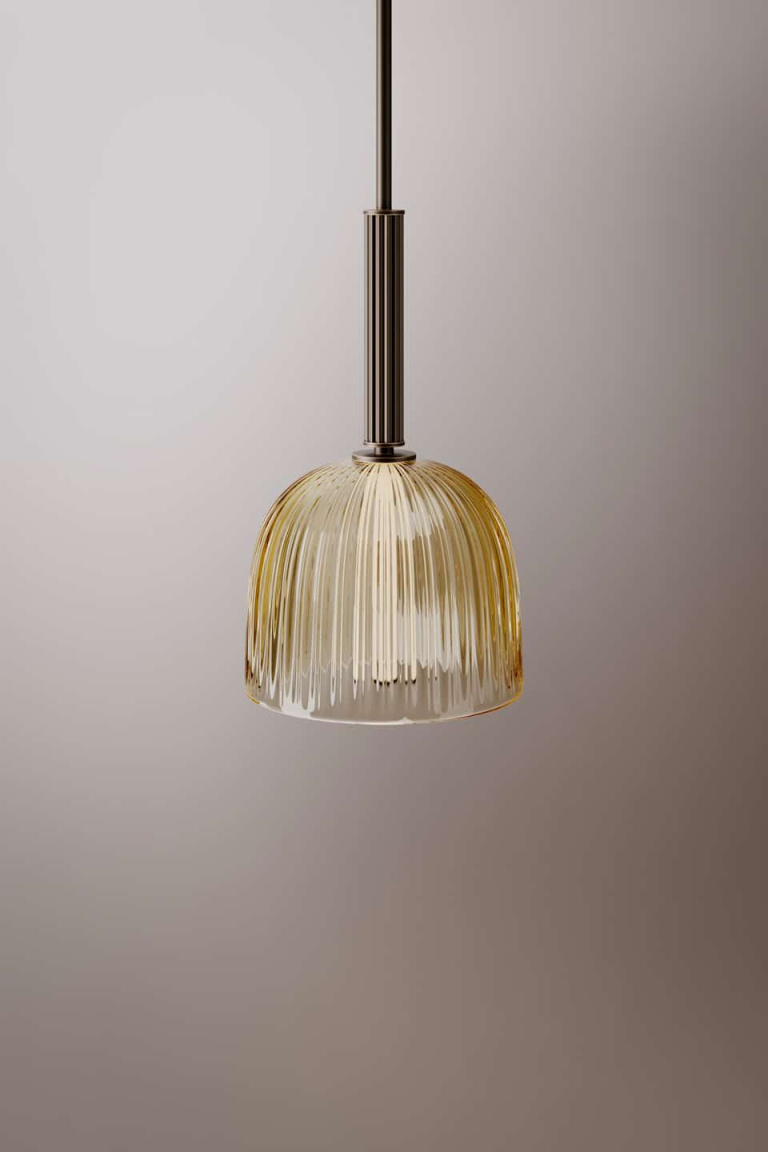
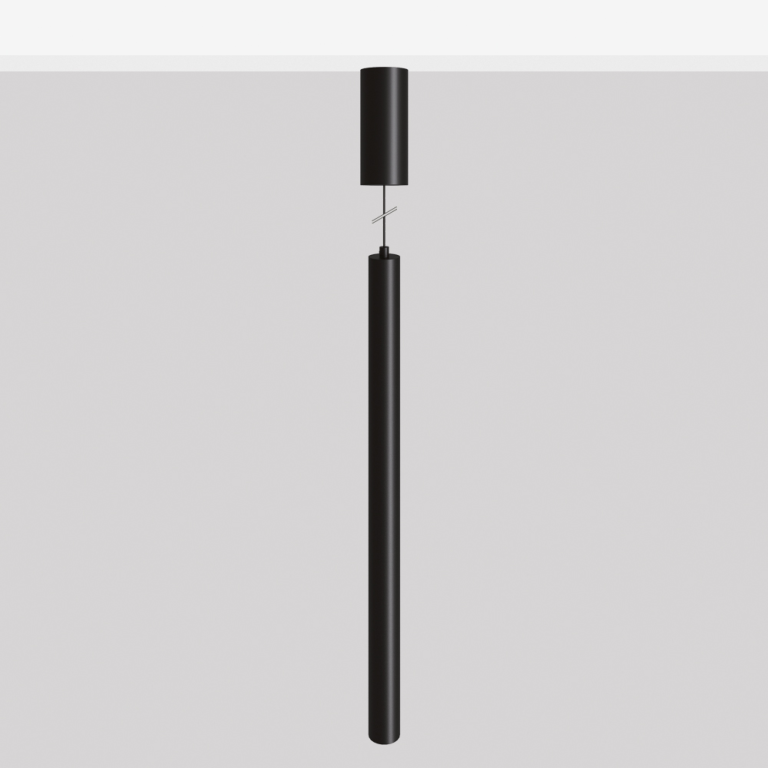
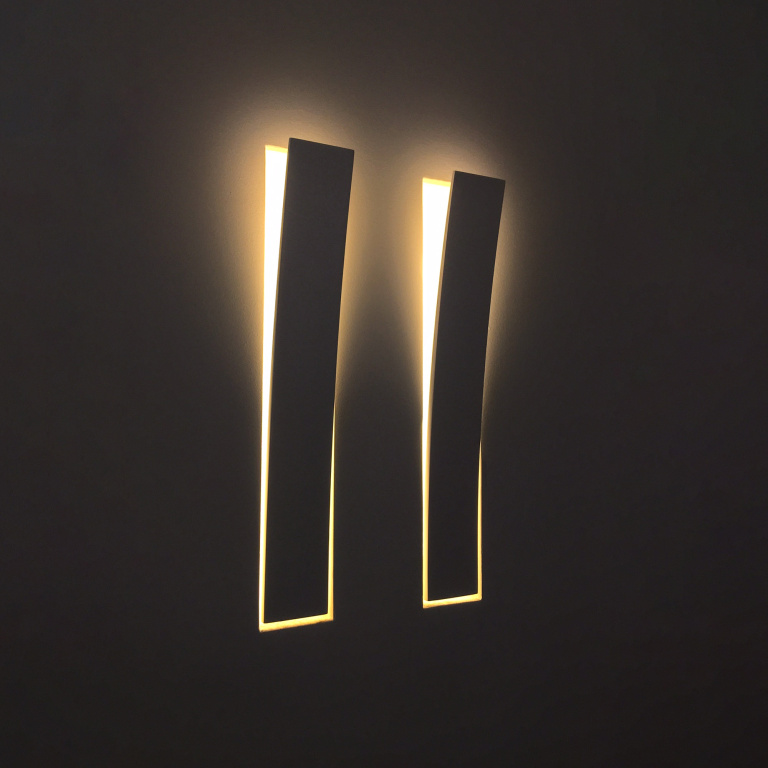
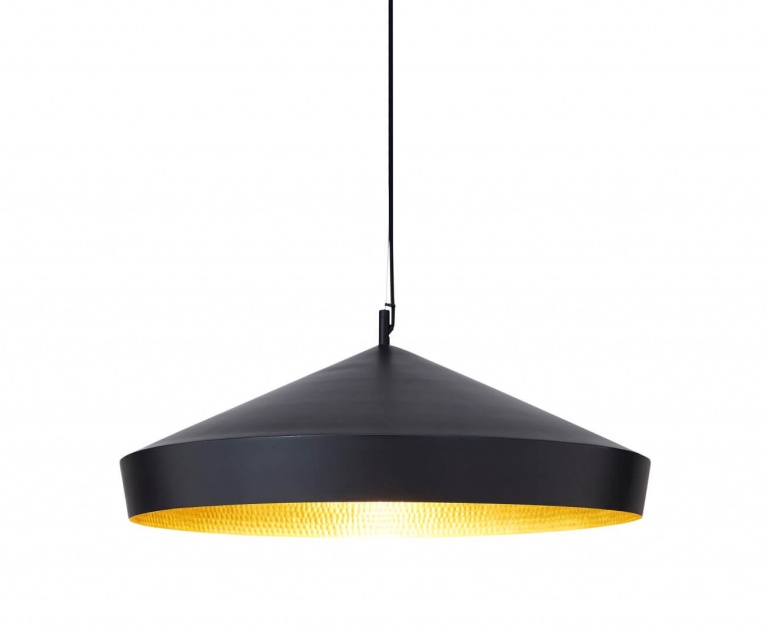
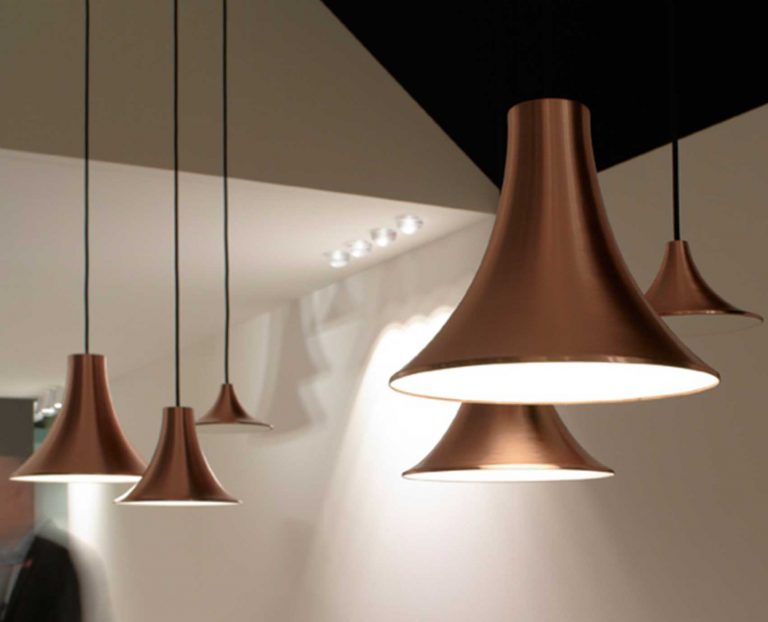
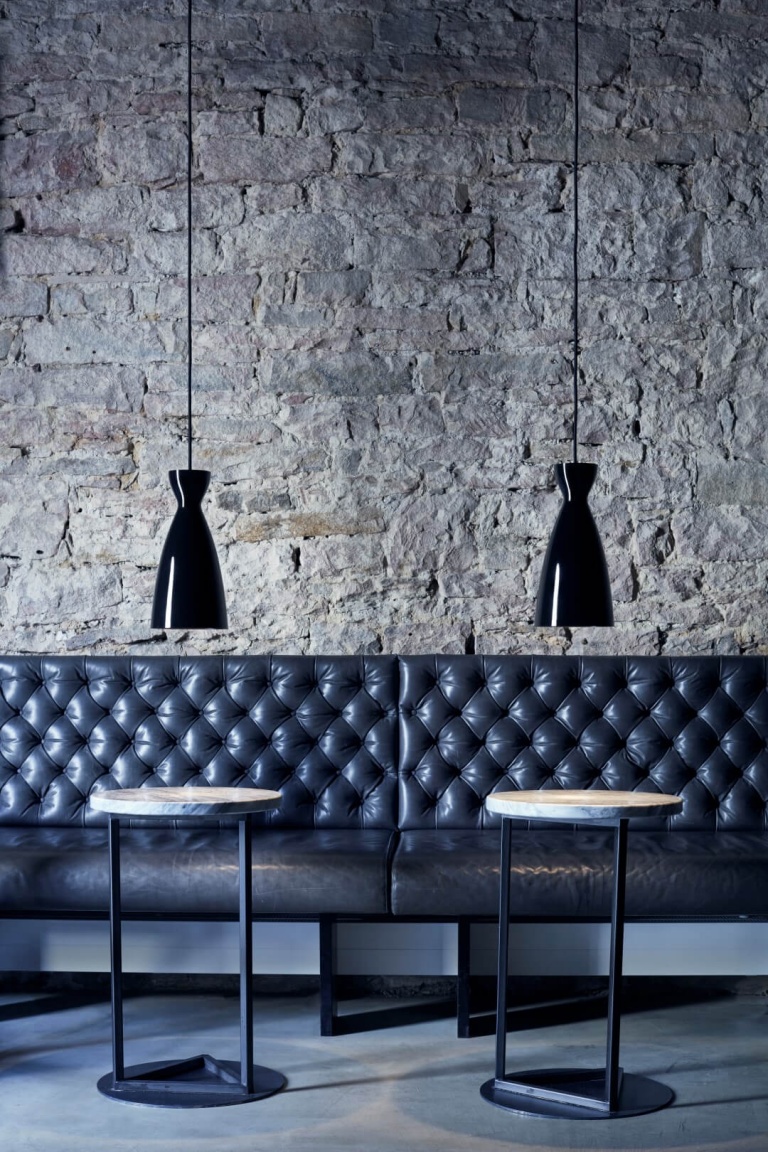
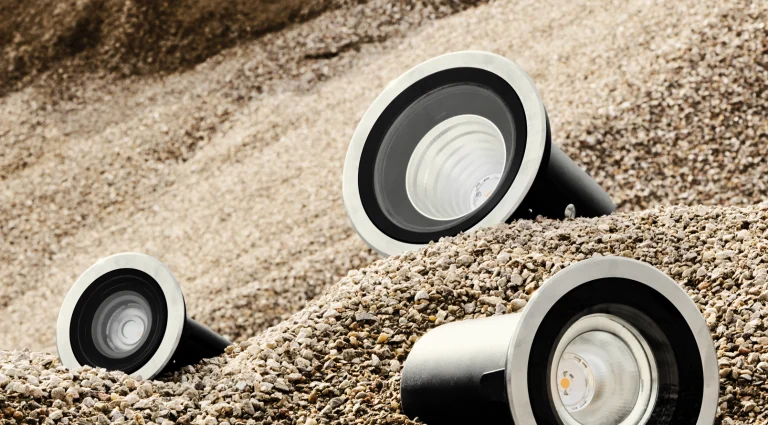
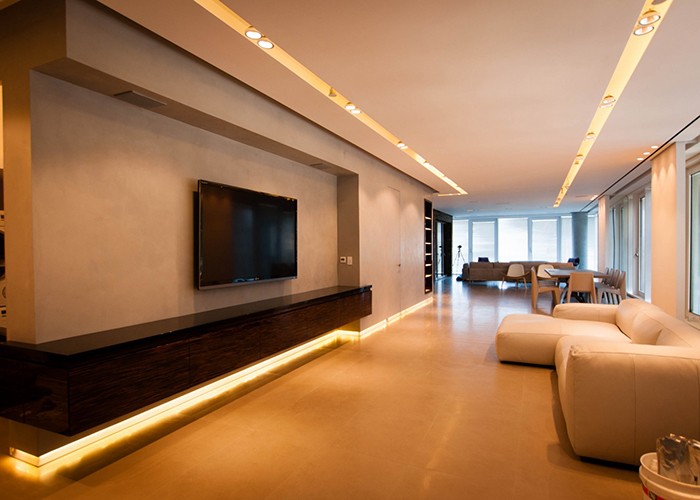
- The bulb can be fitted in a variety of light fixtures and is therefore flexible in how it fits into the design of the space.
The bulb has different levels of light distribution and different colours, which make it possible to light a specific object, like spotlights, or to flood a space with light, in bluish and whitish or warm and yellowish colours.
- The low voltage that characterises the LED bulb contributes to its energy savings, together with the ability to use it in outdoor lighting that stays on for long hours.
- LED bulbs produce very little infrared light, and a negligible level of UV (ultraviolet radiation) emission.
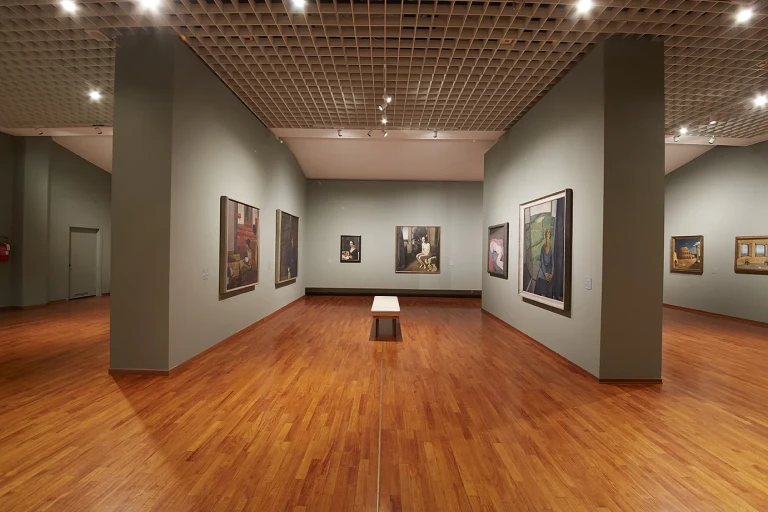
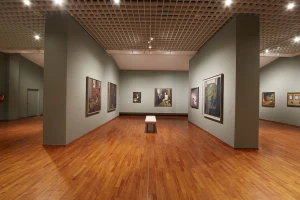
This feature makes it possible to use LED bulbs to light objects that are sensitive to these kinds of radiation, such as works of art or plastic items in the kitchen.
- An LED bulb delivers its maximum brightness instantly, unlike a fluorescent bulb, which reaches its maximum light level within a few minutes.
This is because the LED bulb starts working the moment electricity passes through its circuits, and it does not flicker.
- Huge economic savings are embodied in the LED bulb.
Savings on electricity, air-conditioning and maintenance costs, together with the option of buying one bulb for a range of lighting options: bright, warm, cool, diffused, focused light, with or without dimming.
Common trends in the world of LED lighting
- Today’s hot trends make sophisticated use of dimmers and sensors in LED bulbs.
This is in order to develop them so that they can communicate with other devices in the home.
- Another trend is connecting LED bulbs to the Internet of Things, that is, creating a smart lighting network connected to data, sensors and cameras.
In addition, LED has also broken into the field of health, and today LED is used so that the type of lighting we use benefits the body and health.
This is done by adjusting the brightness and the colour of the light so that it imitates natural light as closely as possible.
- Today LED is also used to light large surfaces and extensive areas, as at the last Super Bowl, which led to significant savings in bulbs and in consumption.
- We could not leave out another trend – the use of Li-Fi technology (like Wi-Fi, but using light) and tracking people’s movements using LED lamps and smartphones, both of which are based on visible-light communication.
A wealth of options
LED bulbs face the future.
The use of these bulbs is growing over the years and spreading into many fields: the mobile world, street lighting, exterior lighting of buildings, decorative lighting for kitchens and the automotive world. We are excited.
There are LED bulbs with different beam angles that make it possible to match the bulb to the existing need.
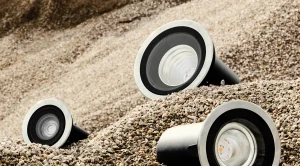
You can use a bulb with a beam angle with a low level of light distribution, used as spotlighting, or a bulb with wide light distribution that will wash the space.
In addition, there are different colours that give the space a different atmosphere and a different tone. Standard LED bulbs give natural light.
For warmer light, it is recommended to buy bulbs with a rating of 2,700-3,200 K (Kelvin – the colour temperature rating).
For natural light with less glare that brings out true colours (such as vegetables and fruit, and dressing rooms), it is worth buying a bulb with a rating of 4,000-4,500 K.
For brighter light, an LED bulb with a rating of 5,500-6,000 K will do the job.
There is also the CRI (Color Rating Index) rating, which measures how the light shows the true colour of the elements in the space.
The higher the rating, the more the colours will look their true shade under the light the bulb gives.
The wide range of different elements makes it possible to match the right lighting to every part of the business – from spotlights in the toilets and in general halls to setting small LED bulbs for decorative lighting along decks, walls or other elements.
LED bulbs can be used in a wide range of light fixtures, since the bulb comes in different powers – from 1.5 watts up to high powers suitable for floodlights and billboard lighting.
The right lighting to complete the experience
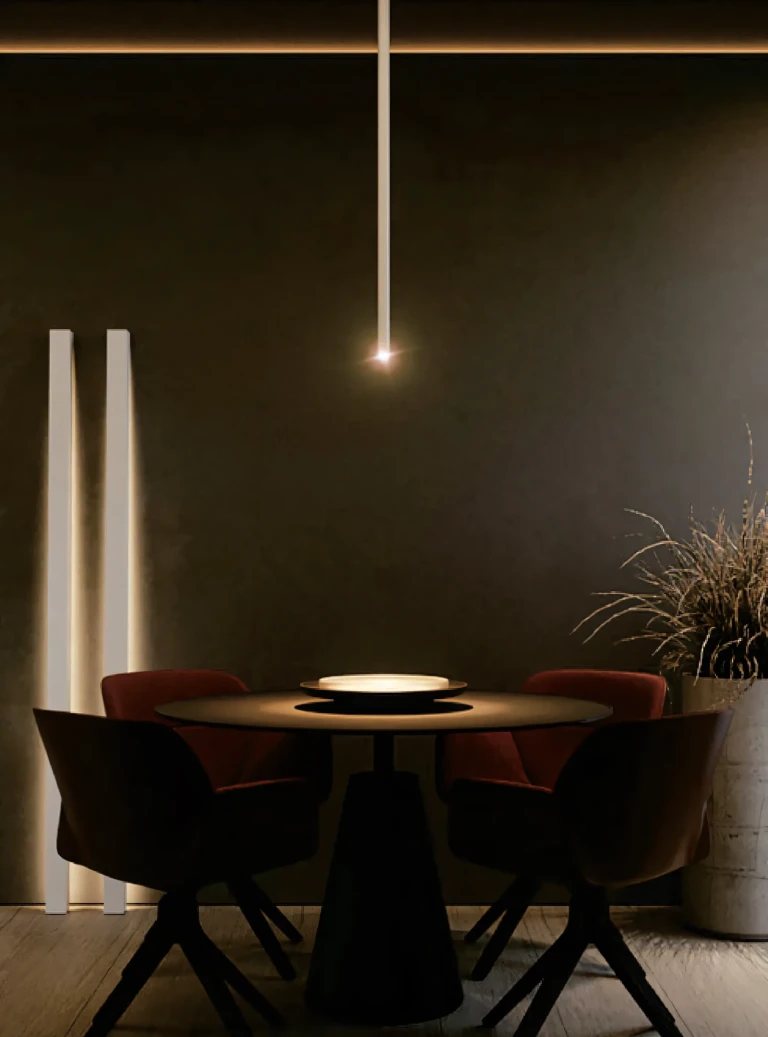
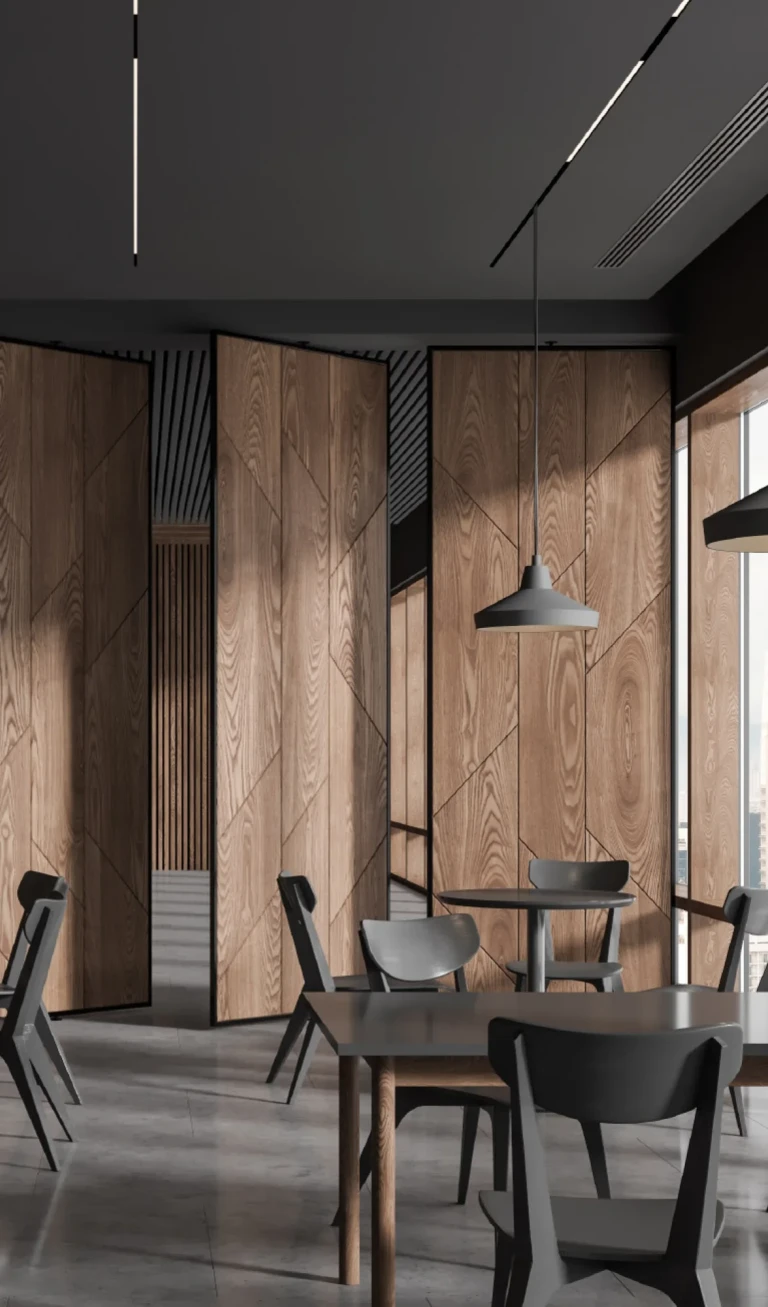
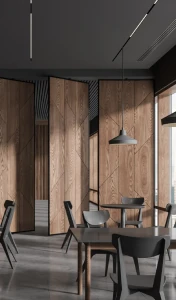
Functional, flattering lighting is a complementary element to the overall design of the business and contributes a great deal to the atmosphere – in terms of colour temperature (warm or cool), light distribution (creating shaded, lit and highlighted corners, and more) and in terms of the light fixtures that blend into the design.
The lighting contributes to the experience created for the customer, makes the business distinctive and sets its atmosphere apart from the atmosphere at home.
It can create a luxurious, elegant atmosphere and raise the value of the property, while saving on energy consumption and costs.
In summary
LED bulbs face the future.
The LED bulb is moving from the world of home lighting into many other industries.
The use of these bulbs is growing over the years and spreading into many fields: the mobile world, street lighting, exterior lighting of buildings, decorative lighting for kitchens and the automotive world. We are excited.