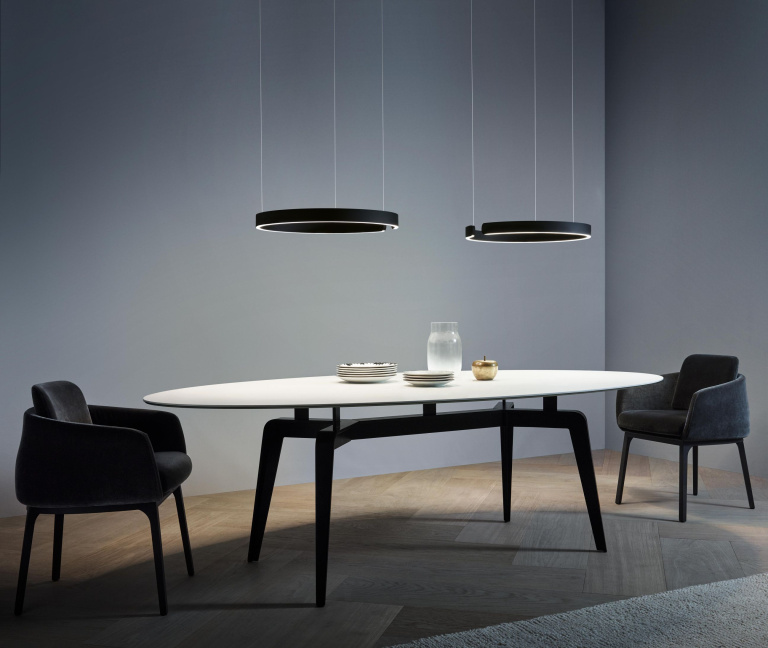
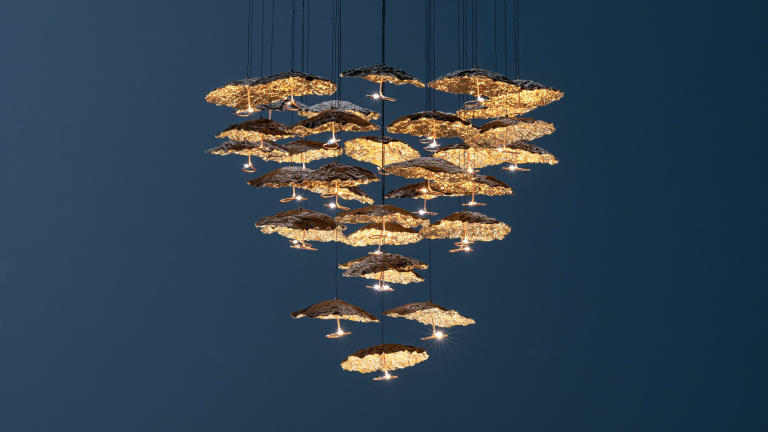
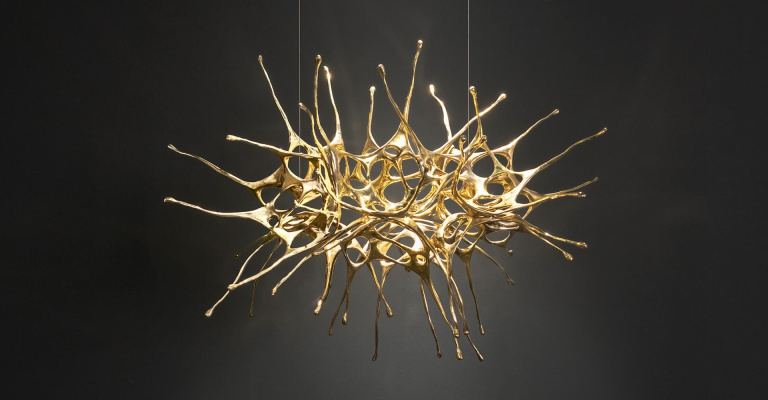
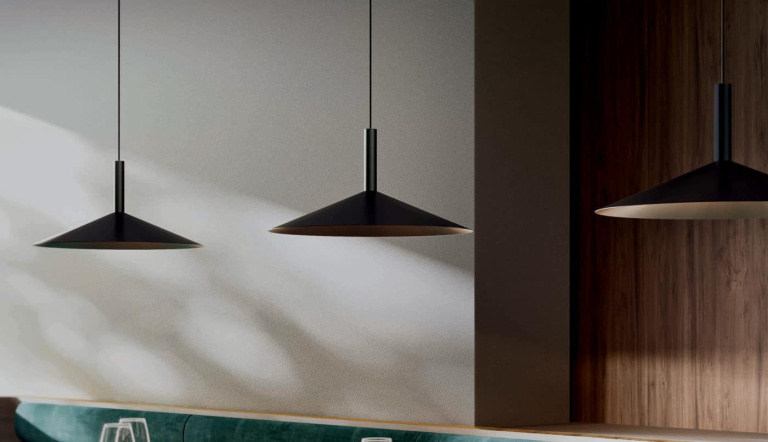
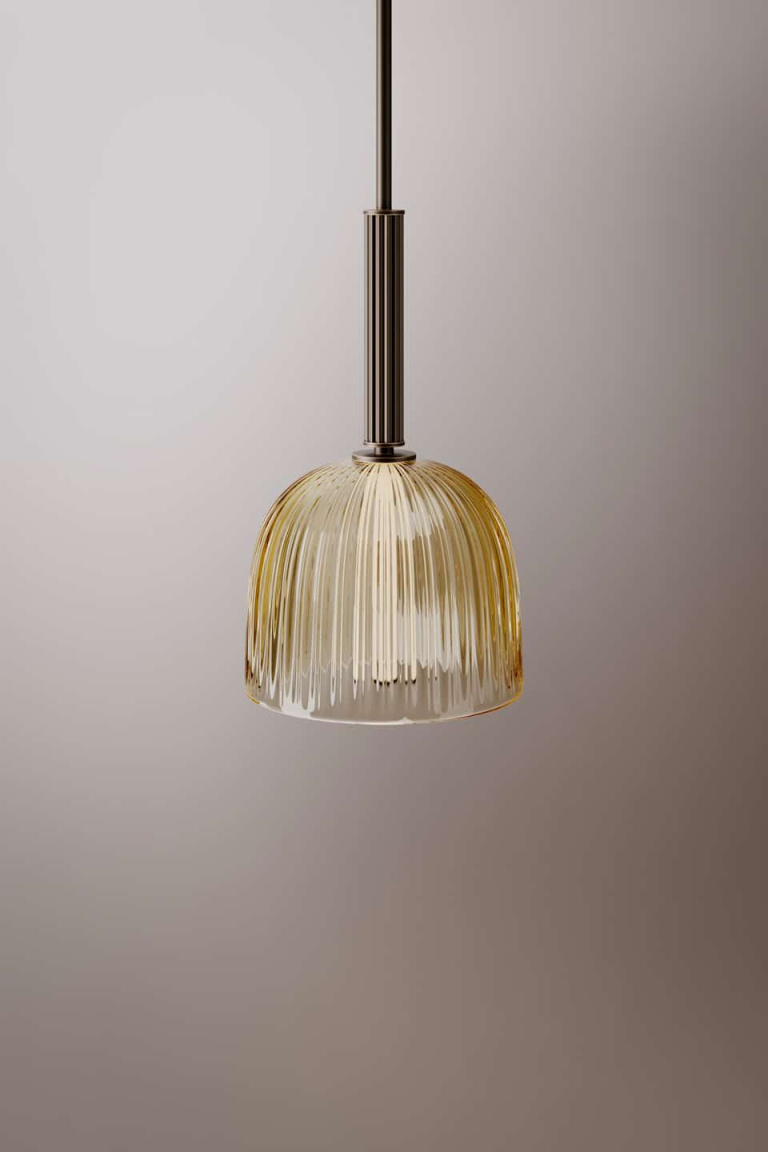
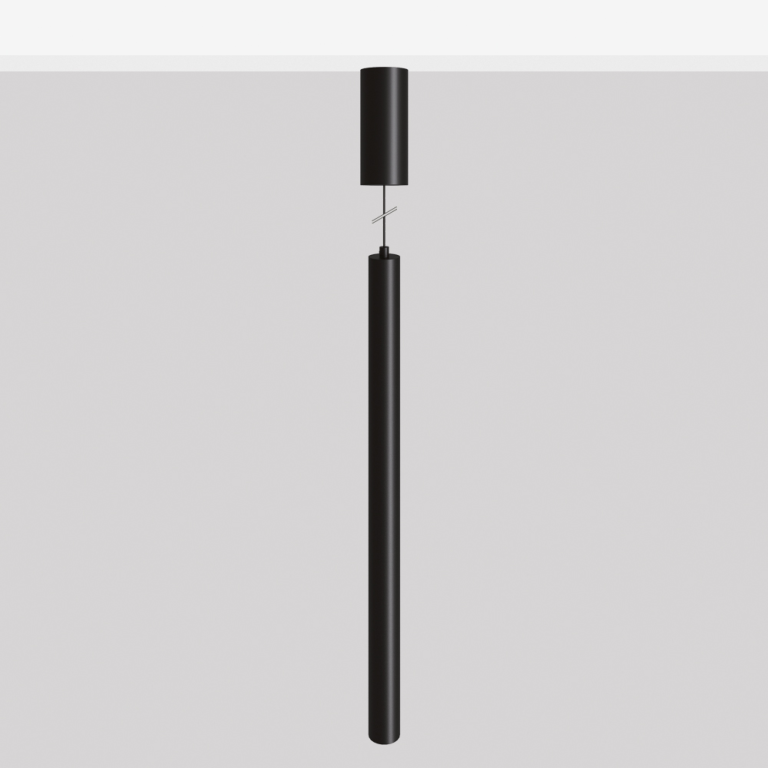
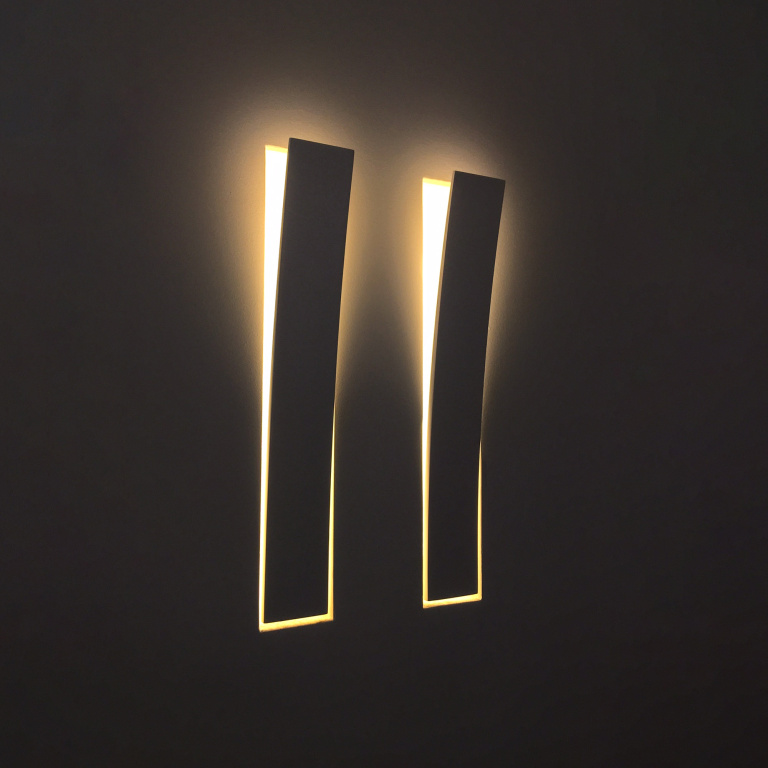
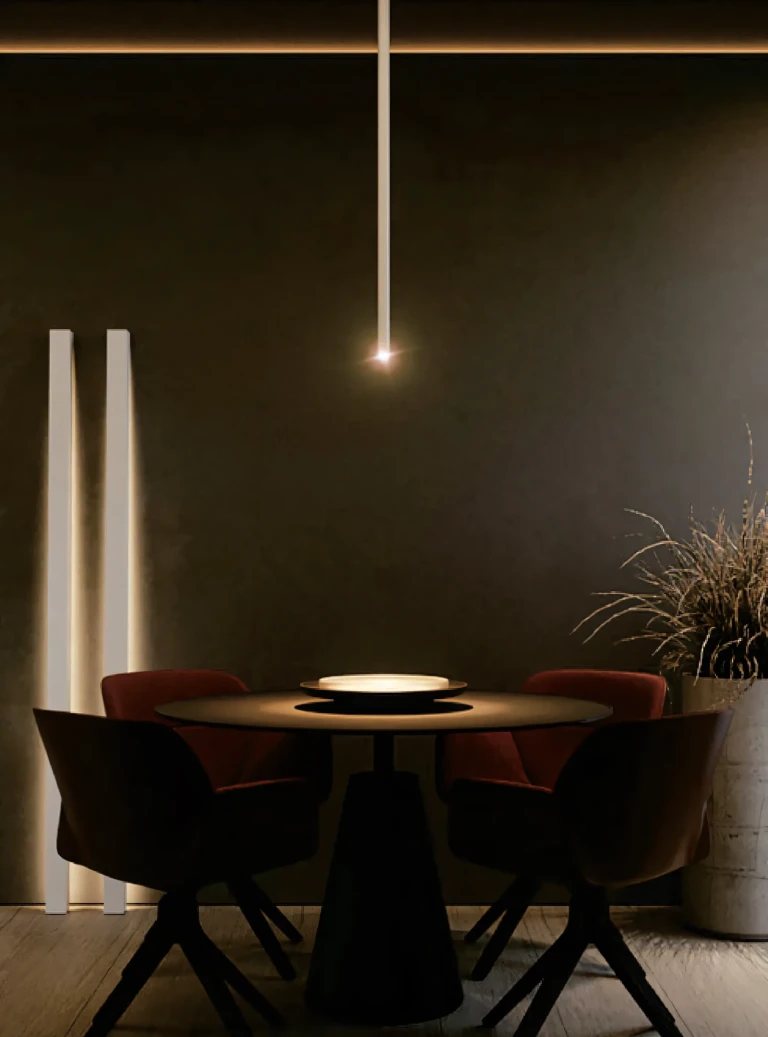
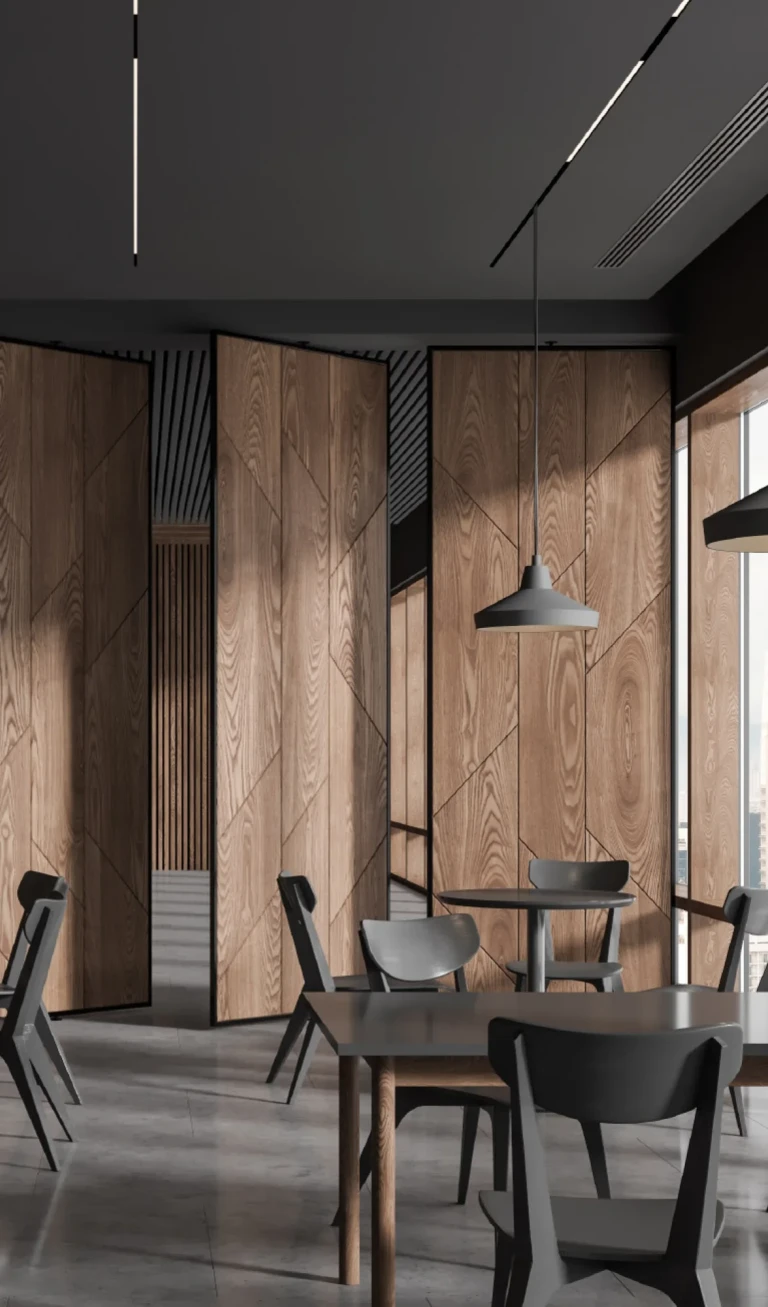
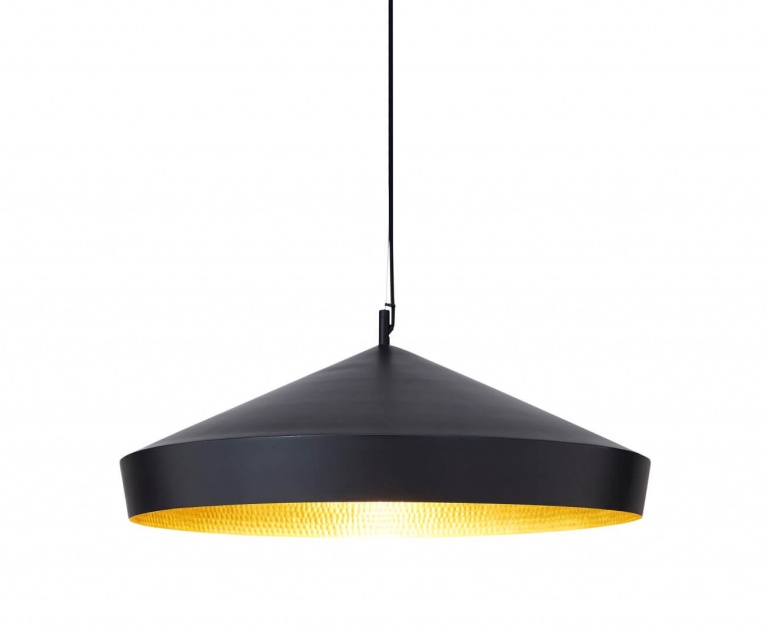
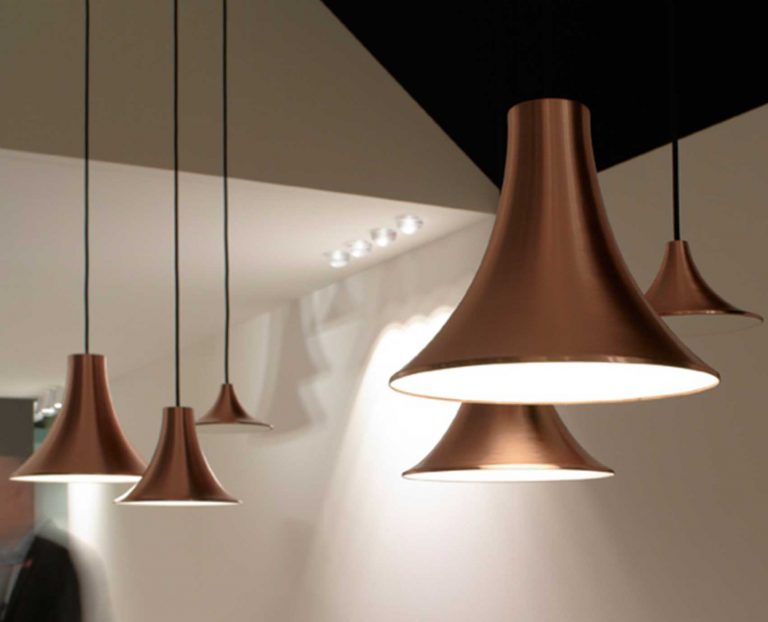
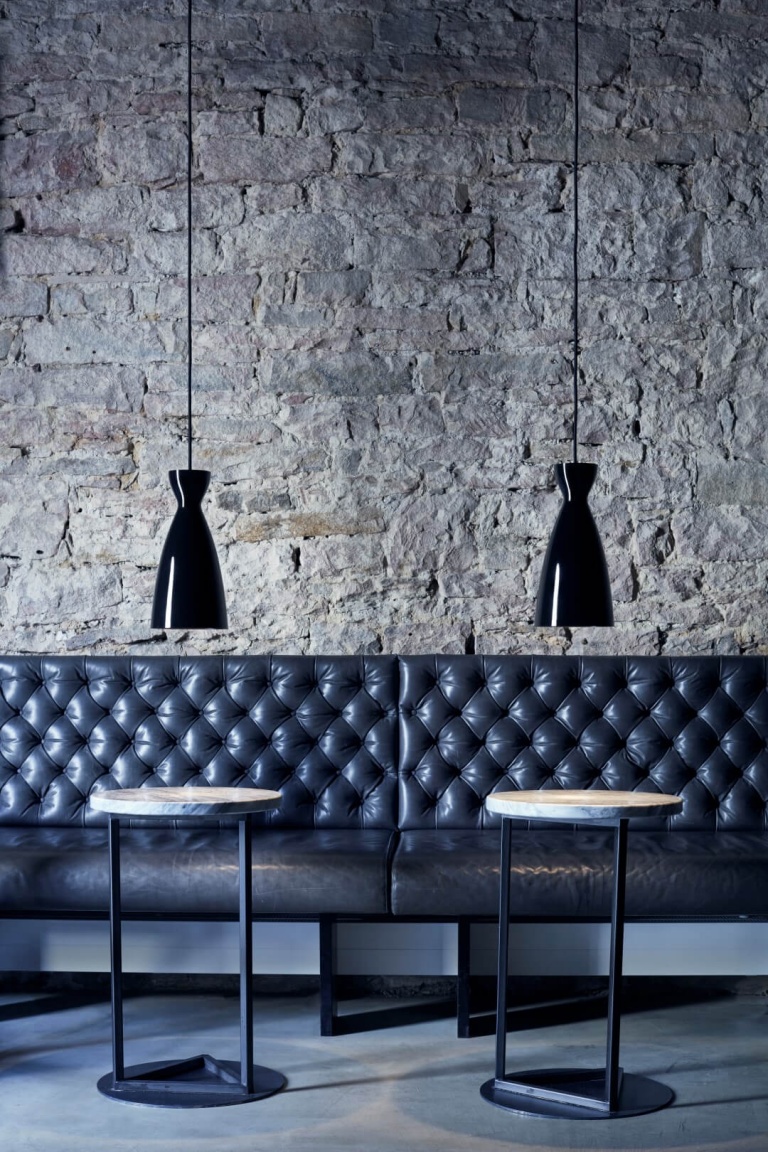
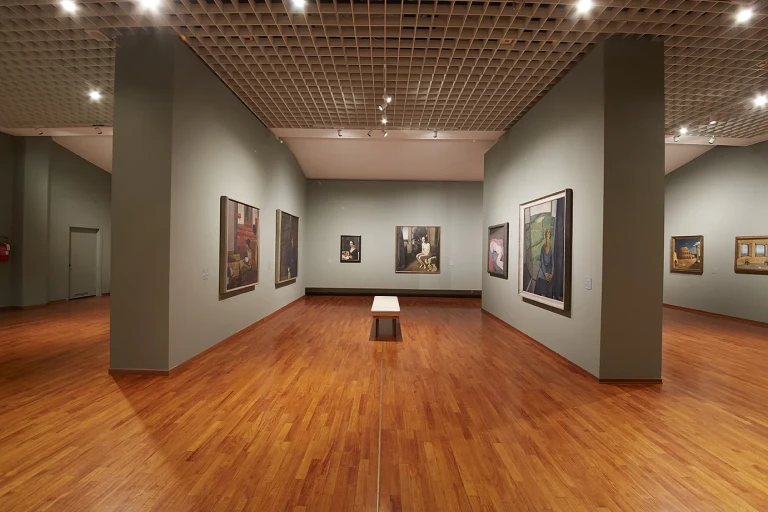
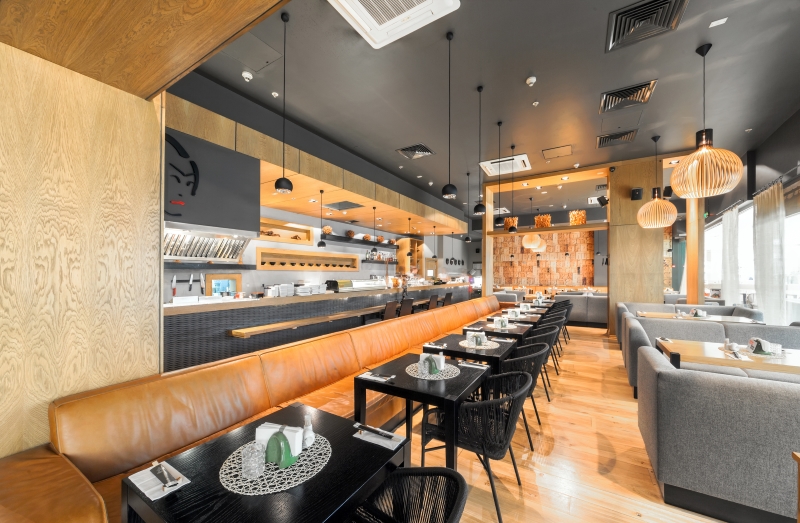
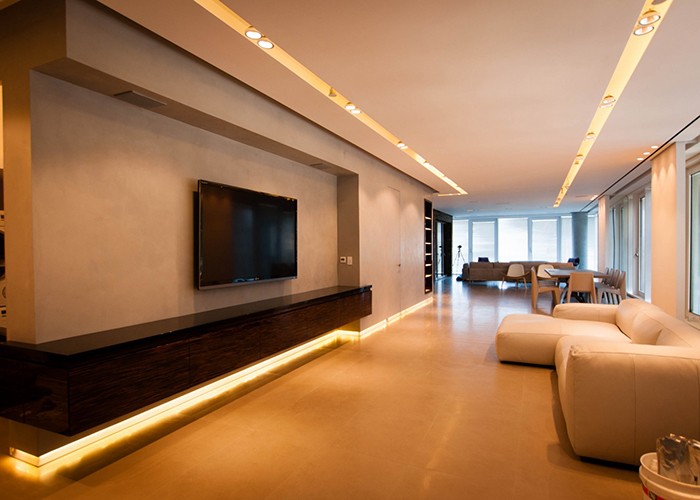
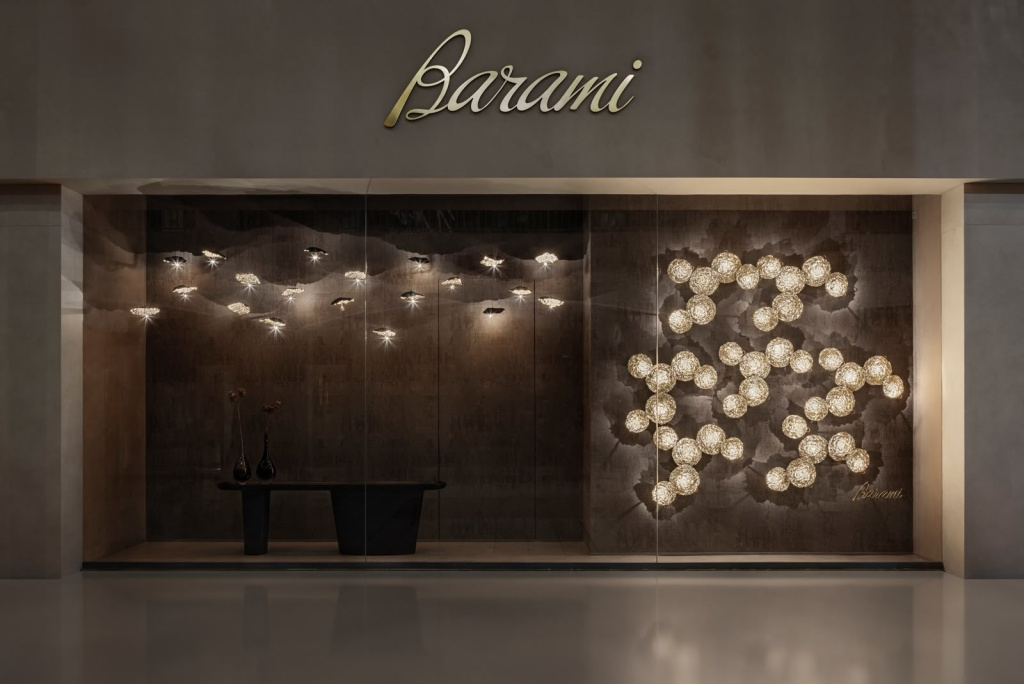
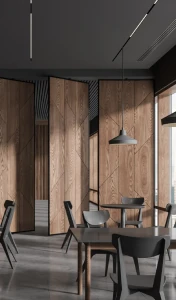
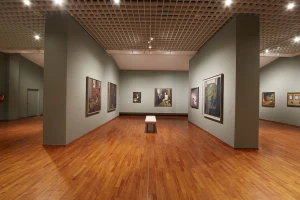
The first role of lighting is, of course, to illuminate the space, but beyond creating light, lighting can define spaces and create atmosphere.
Correct lighting design is especially important in commercial or industrial projects.
The lighting is planned according to the kind of atmosphere we want to give the place, the light level it requires, and considerations of saving on electricity and maintenance costs.
Succeeding in a lighting installation project requires a high level of professionalism.
It takes knowledge and the ability to offer a range of design, budgeting and operating solutions.
Professionalism ensures that the lighting will create the right atmosphere and effect, that it will be reliable and that it will be economical.
Barami Lighting specialises in providing frontal lighting solutions, through an experienced and professional team that can help you plan the project in the best possible way, while examining all the parameters that matter in project lighting design.
The importance of lighting planning
The first stage when you want to give a space lighting is planning.
This is the central stage in every lighting project, whether it is lighting for an office building, commercial areas, stores, service providers or even industrial plants.
Every part of the building is given full importance, matching the needs of the area being treated with advanced lighting options and solutions.
Beyond placing the lighting points, whether in the ceiling, the wall or even the floor, the type of lighting chosen is even more important.
The light fixture itself can be chosen later on, according to the character of the design of the place.
Choosing the lighting points
Precise lighting design focuses on every point we want to light:
- Stairwells
- Passageways
- Work spaces
- Balconies / gardens
- Building entrance lobby
- Corridor lobby
- Lifts
- Corridors
- Car parks
The project designer goes step by step through the entire architectural plan of the project and finds solutions for the various needs.
Beyond the design of the space being treated, the lighting points and lighting modes are also important.
After choosing the light points for which the electrical infrastructure needs to be prepared, the light fixtures, the lighting level and the colour of the lighting are specified.
Choosing the type of lighting
There are different types of lighting, and the type of lighting is chosen at an early stage of planning.
The type of lighting is chosen according to the specific needs of each and every space.
Incandescent bulbs – these bulbs work by heating the filament fitted inside the glass of the bulb.
Usually, the electricity consumption of incandescent bulbs is particularly high, so in large projects it is preferable to rule them out from the start.
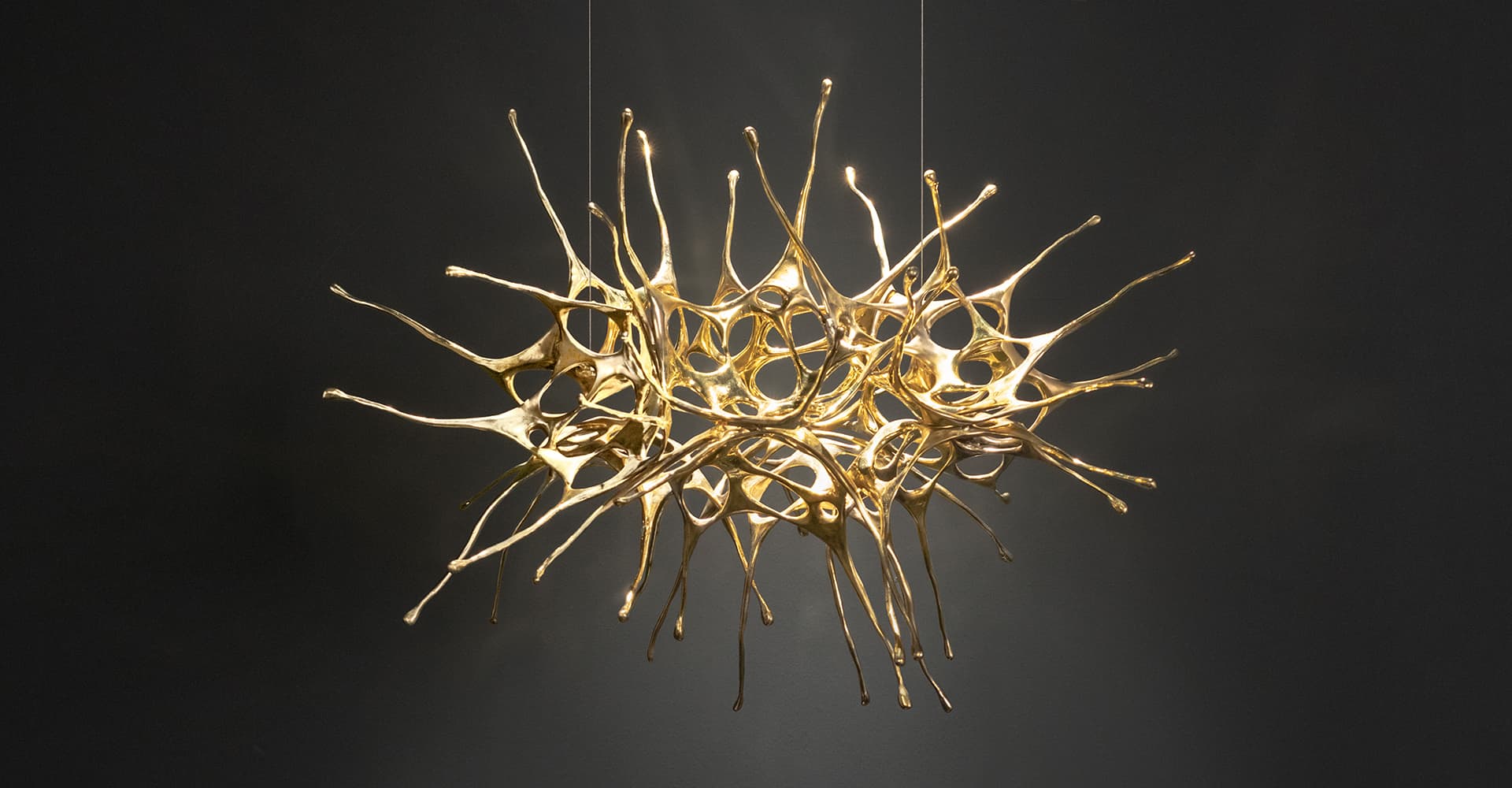
At the same time, when it comes to one central light fixture, such as a chandelier for a restaurant or for shops, they can be used, as they are beautiful to look at and give warm light.
Halogen bulbs – a development of incandescent bulbs; they use less electricity and are therefore more convenient and cheaper to use.
They let us replace incandescent bulbs, but their light will be “cooler”, and they will be less suited to designer light fixtures.
Fluorescent bulbs – provide particularly functional light, as well as low electricity consumption.
That is why this type of lighting is considered ideal for offices and large commercial or industrial areas, where a particularly high level of lighting is needed throughout the day, set against the low electricity consumption that saves on costs.
LED bulbs – the great innovation in lighting is LED bulbs, which are considered particularly economical bulbs with a long lifespan, and therefore do not need much maintenance.
At the same time, the range of designs of LED bulbs is relatively limited, so they are better suited to commercial or industrial areas and less to restaurants or cafés, where we want to provide a special experience through designer light fixtures.
Choosing the light fixtures
Light fixtures play an important role in the design and execution of a lighting project.
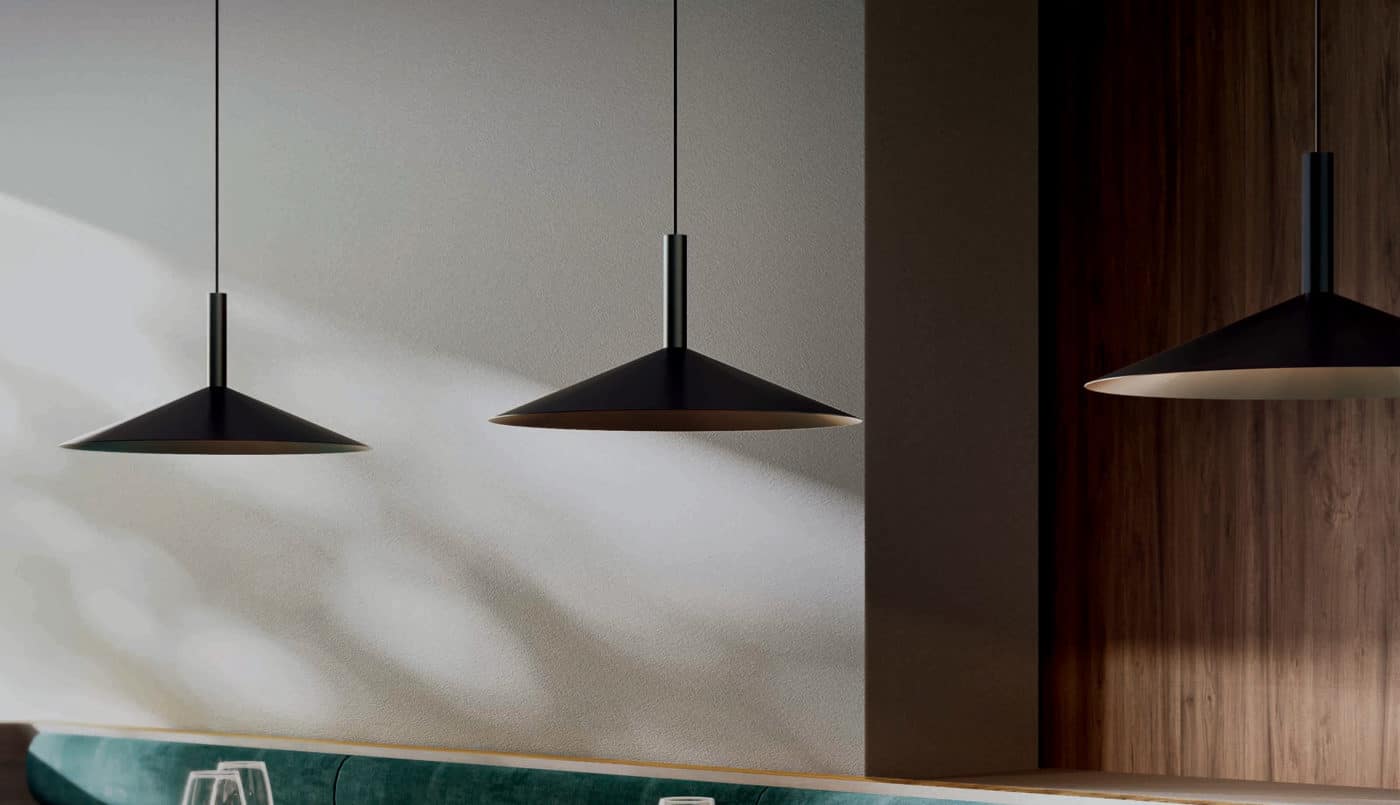
Designer light fixtures allow us to create an excellent dialogue with the design of the space.
Among the different types of light fixtures we can find central ceiling-suspended fixtures, ceiling lights, wall lights, freestanding fixtures, spotlights, fixtures set into the floor and more.
Light fixtures should be chosen according to the type of bulb, since not every bulb suits every light fixture.
This is the stage in the project where you effectively return to the combination of: functionality – type of bulb – type of light fixture – the need and the budget available to us for carrying out the project.
Giving the lighting presence
As we said, lighting has a role that is not only functional but also decorative.
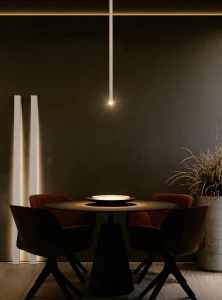
When we use lighting correctly we can create different kinds of atmosphere, we can divide areas within one space into different corners, and we can certainly upgrade any kind of simple space into a distinctive, designed space.
The lighting is brought in through special, designed light fixtures that provide different kinds of light beams, both in terms of strength and in terms of colour temperature.
Ultimately, when we face the planning of a lighting project, the money at our disposal is one of the central factors.
Beyond the overall budget for the light fixtures, it is important to take into account that preparatory work on the lighting infrastructure is sometimes needed.
Especially if floor-recessed or ceiling-recessed light fixtures, plasterboard drop ceilings for lighting and the like have to be built.
All of these must be included in the budget.
It is important to take into account not only the one-off investment in lighting design and in buying the light fixtures, but also the running costs of maintaining the lighting against the electricity costs.
The project budget should weigh the one-off expenses against the future maintenance and electricity costs.
Professional guidance – an ideal result
From all of the above it is clear that the guidance of a lighting designer is critical in order to enjoy the range of benefits lighting has to offer beyond providing light.
Professional guidance will let you enjoy full supervision, a range of high-quality, advanced solutions, correct budgeting of the project and lower future maintenance costs, and the creation of a special concept and atmosphere in the place.
Barami Lighting specialises in guiding lighting design for projects, through the very best professionals.
Experience, range, professionalism and service will let you achieve exactly your project’s goal and create a unique atmosphere that is comfortable to work in, pleasant and idyllic.