It is hard to imagine our lives without lighting. The invention of light is without doubt one of the inventions that changed our standard and quality of life beyond recognition.
In the modern, aesthetic age we live in, lighting is no longer just a practical means, but has also become a significant, fundamental design element in every space it lights.
Whether it is home lighting, restaurant lighting, shop lighting, or street and outdoor lighting.
In each of these and more, the considerations in lighting planning, as well as in lighting design, vary according to the need, the desired atmosphere and the conditions on site.
For your convenience, we have gathered on this page a number of useful basic terms from the world of lighting.
Light fixtures
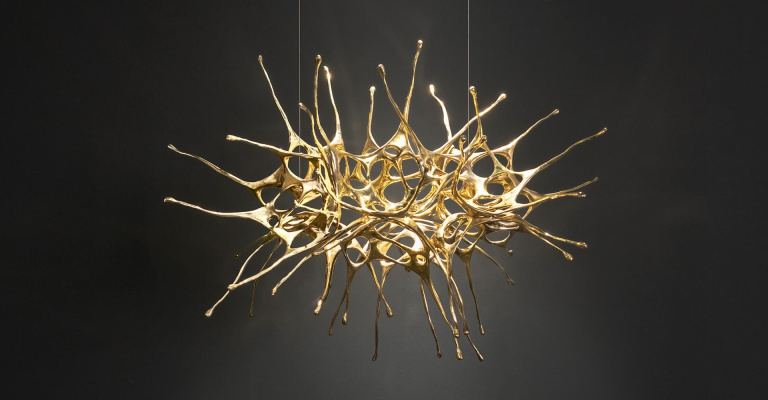
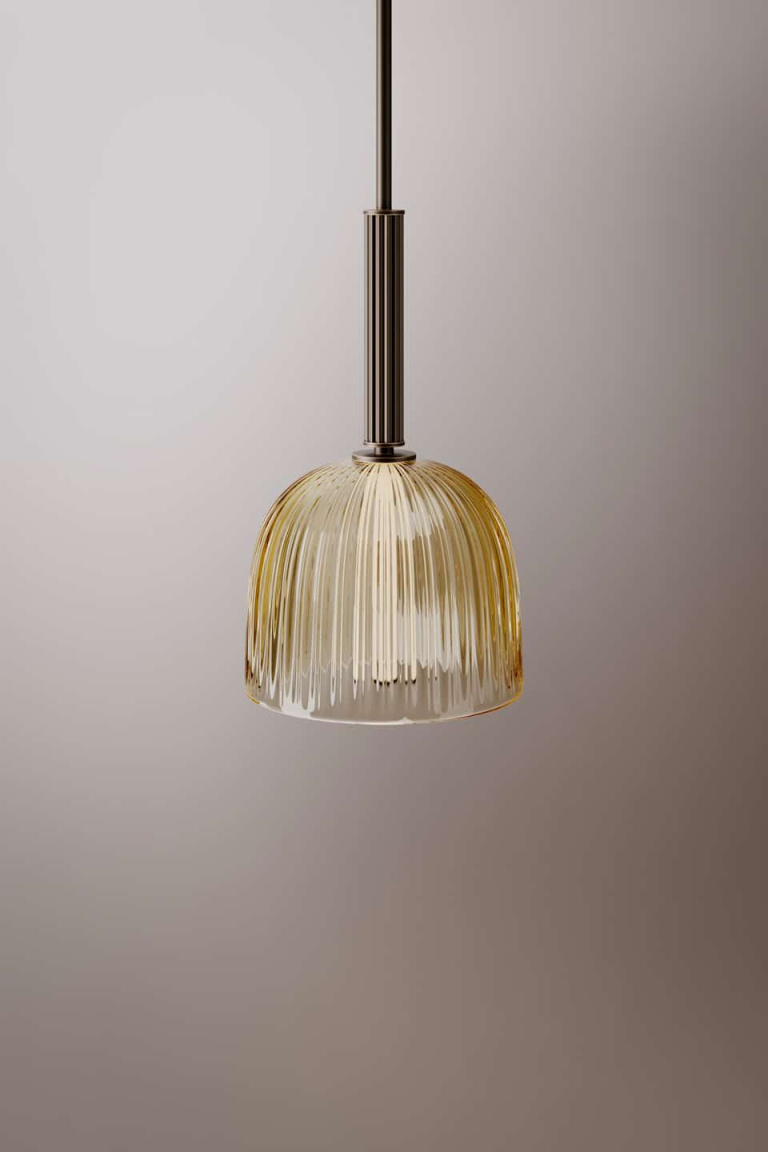
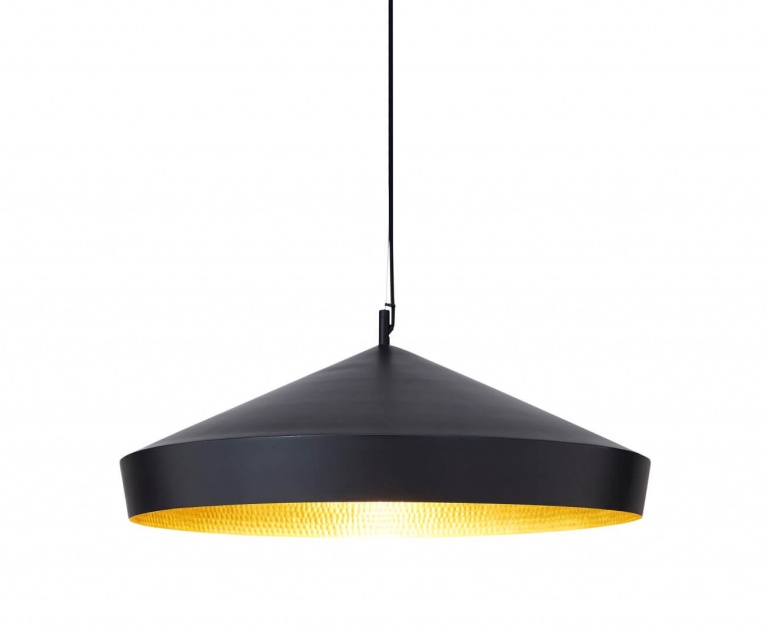
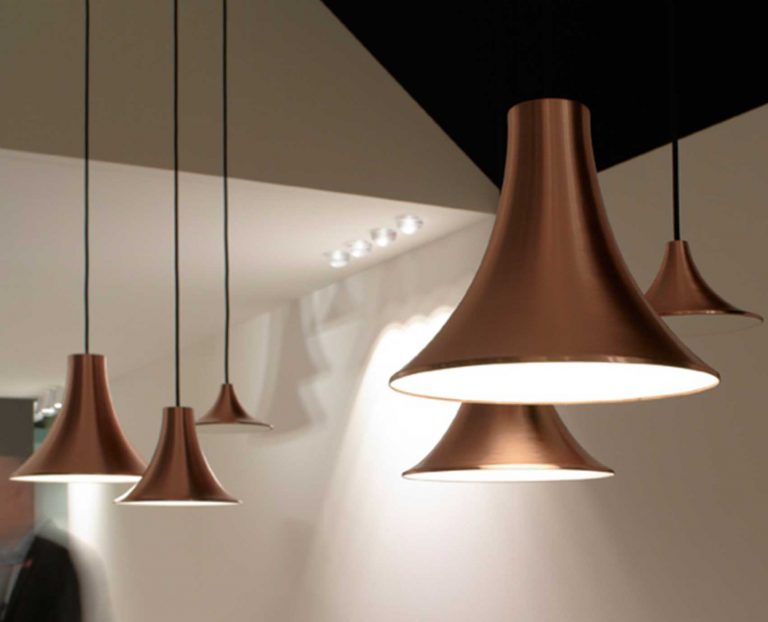
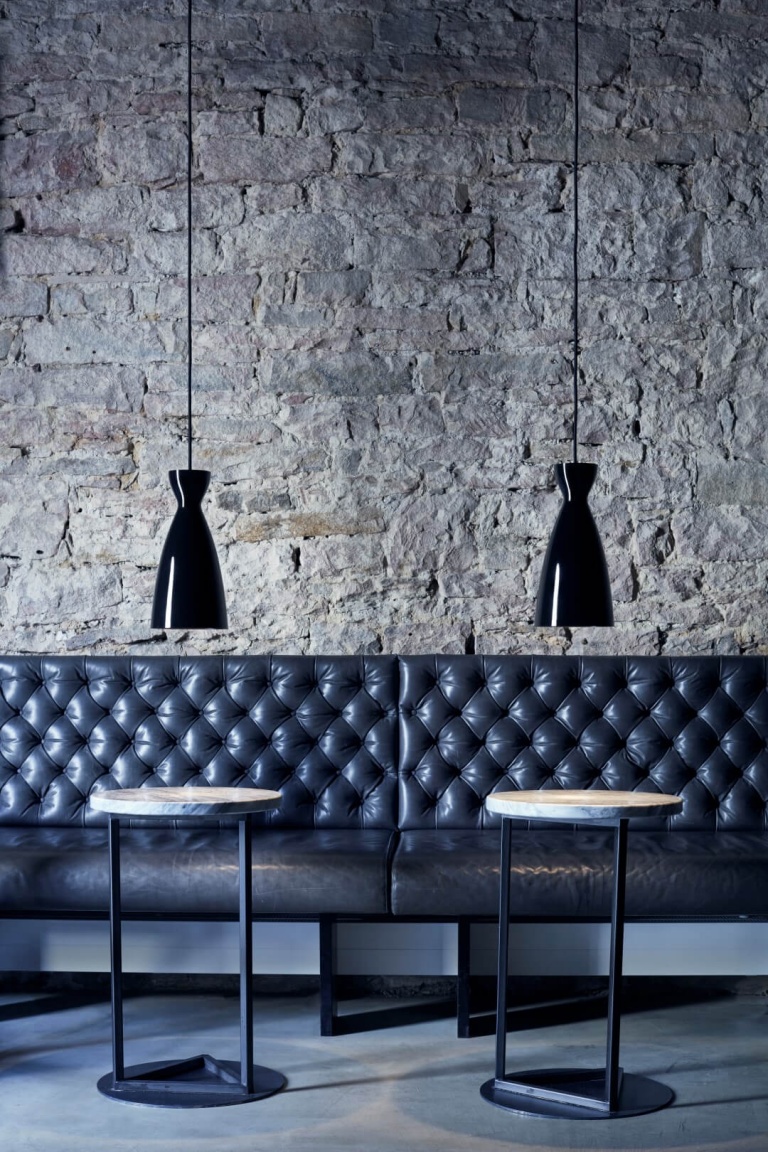
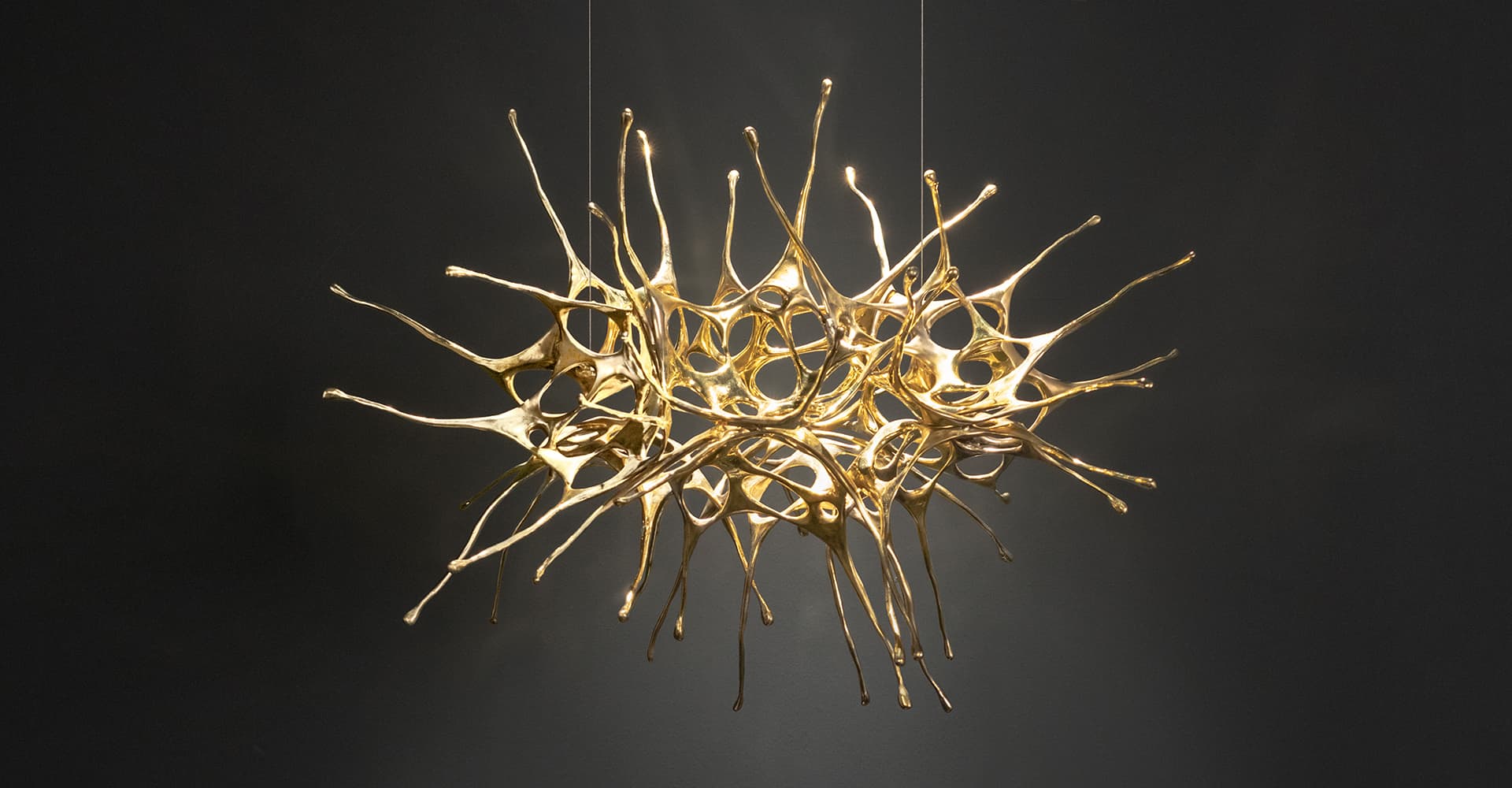
Light fixtures are lighting devices designed in various shapes and from various materials, using various techniques, in order to create a lighting effect, an atmosphere and a design style.
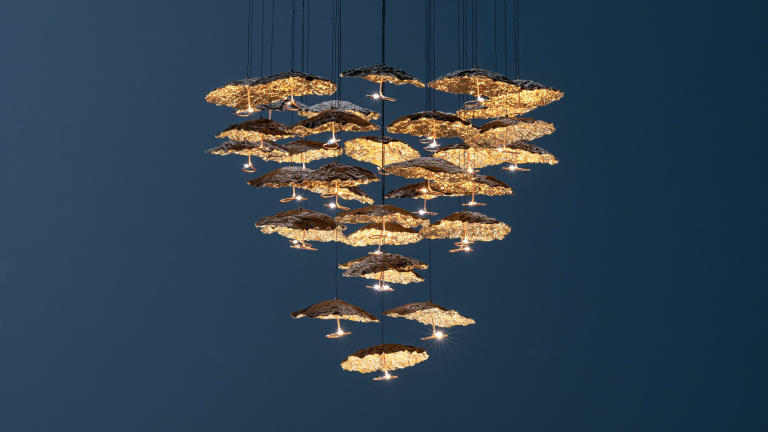
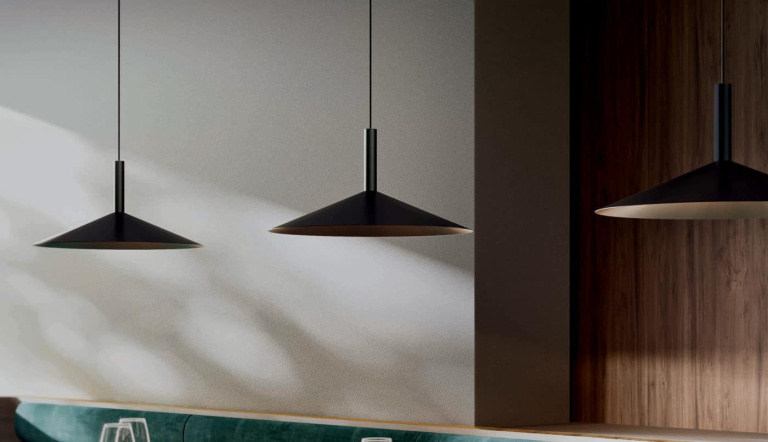
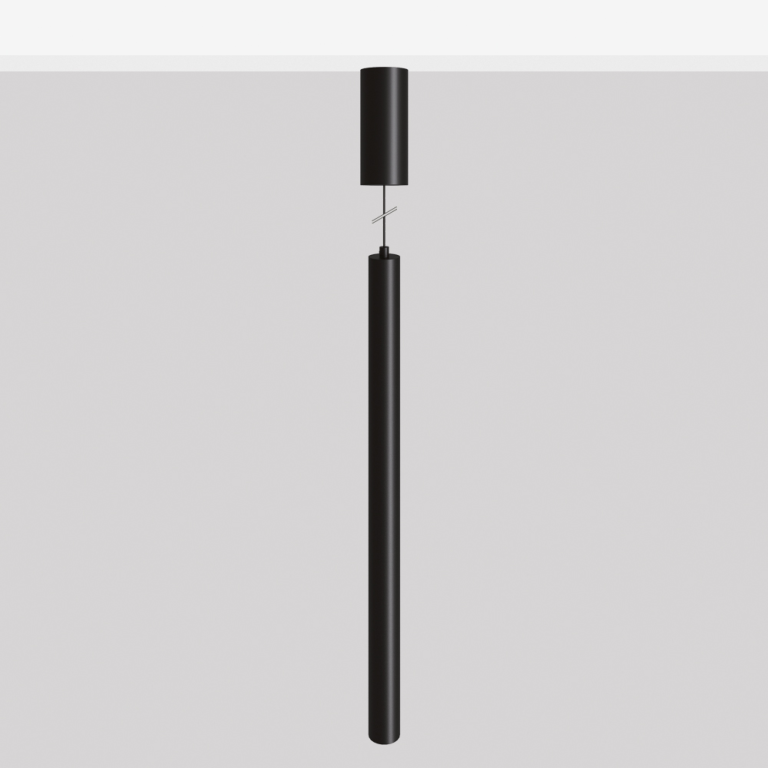
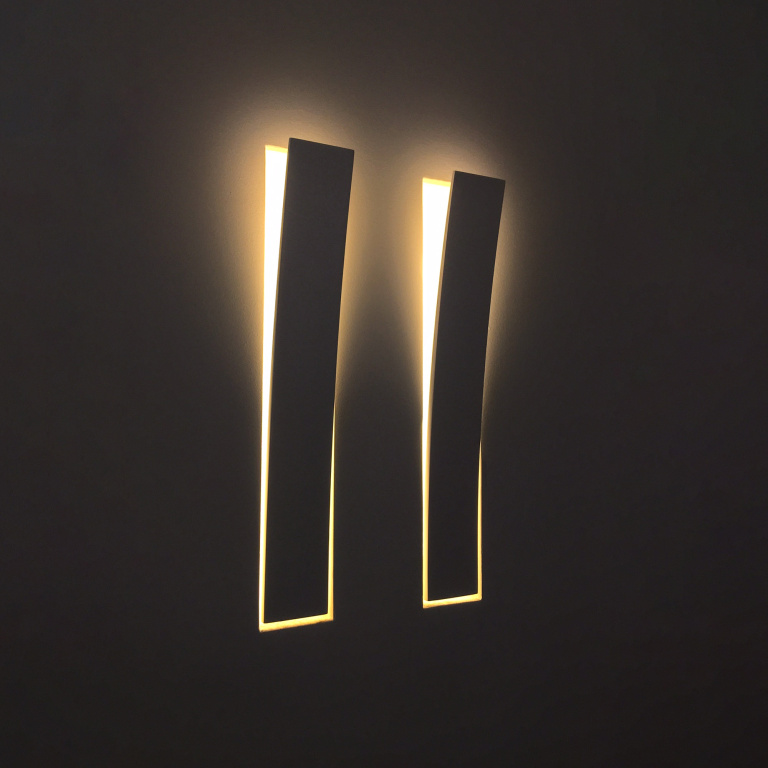
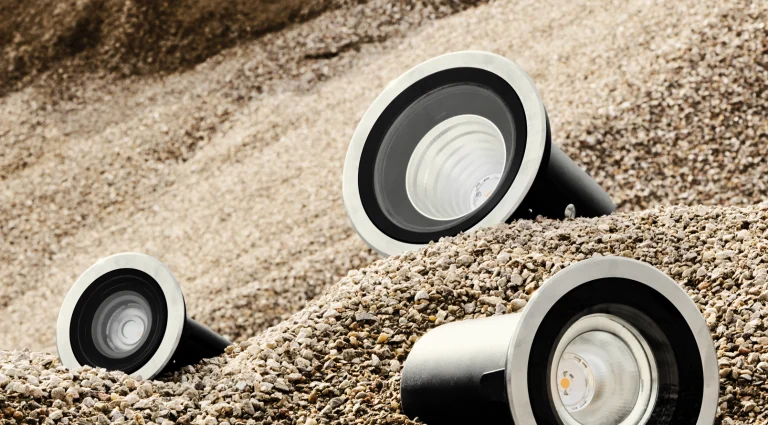
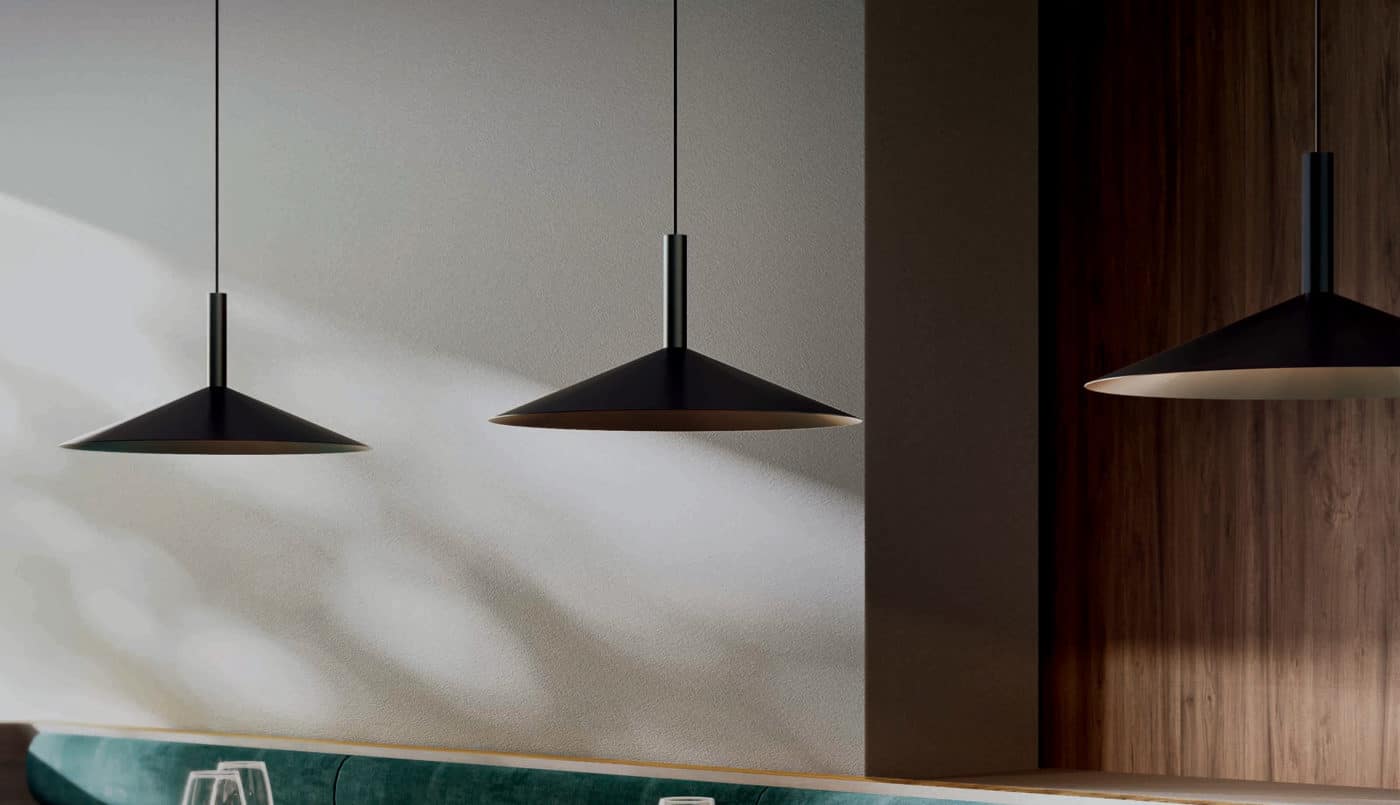
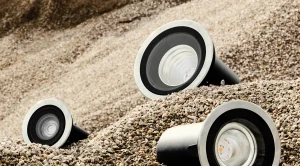
Light fixtures can be lamps hanging from the ceiling, fixtures projecting from the wall, special spotlights fixed in walls, stairs or the floor, ceiling lights and more.
“Light fixture” is the term for the form of the lighting itself and how it is built.
There are light fixtures based on plaster frames, and light fixtures that combine iron, copper, silver, glass and more.
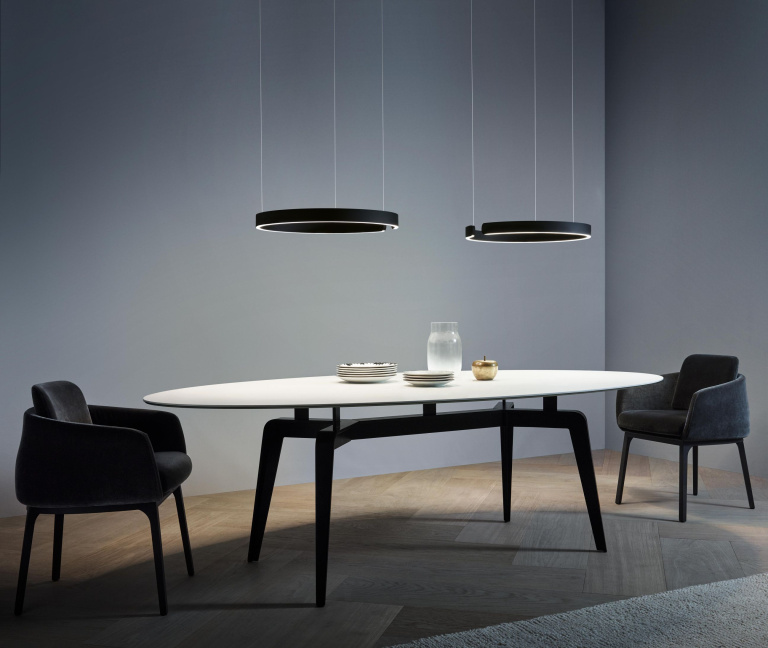
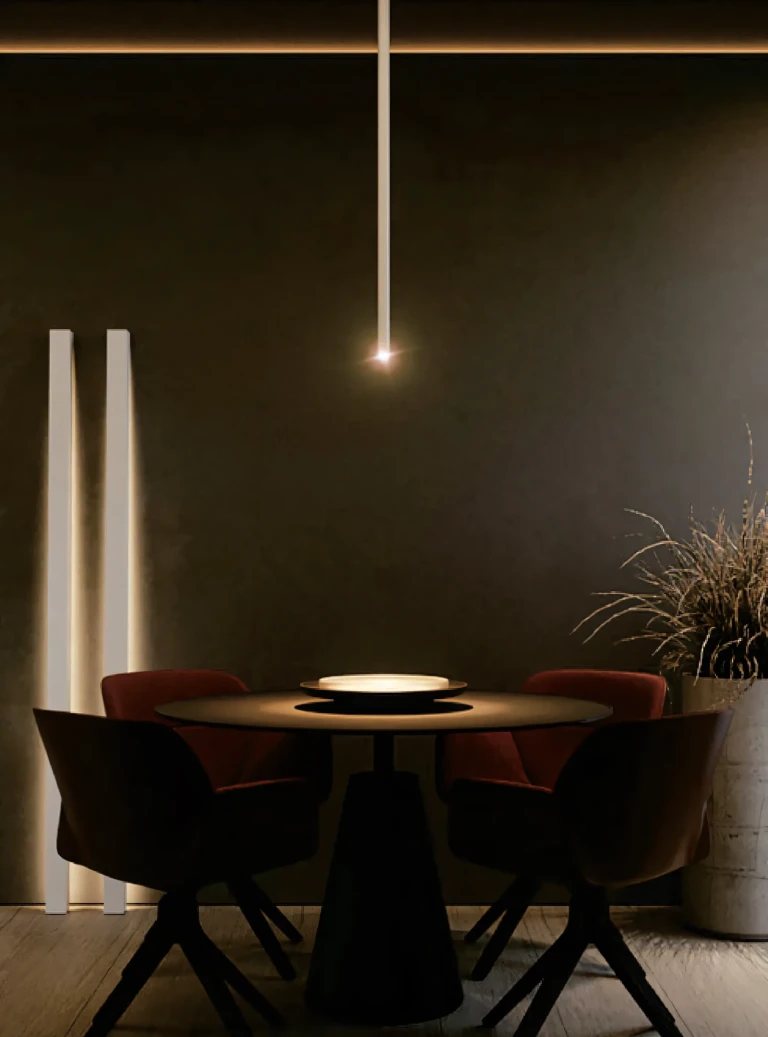
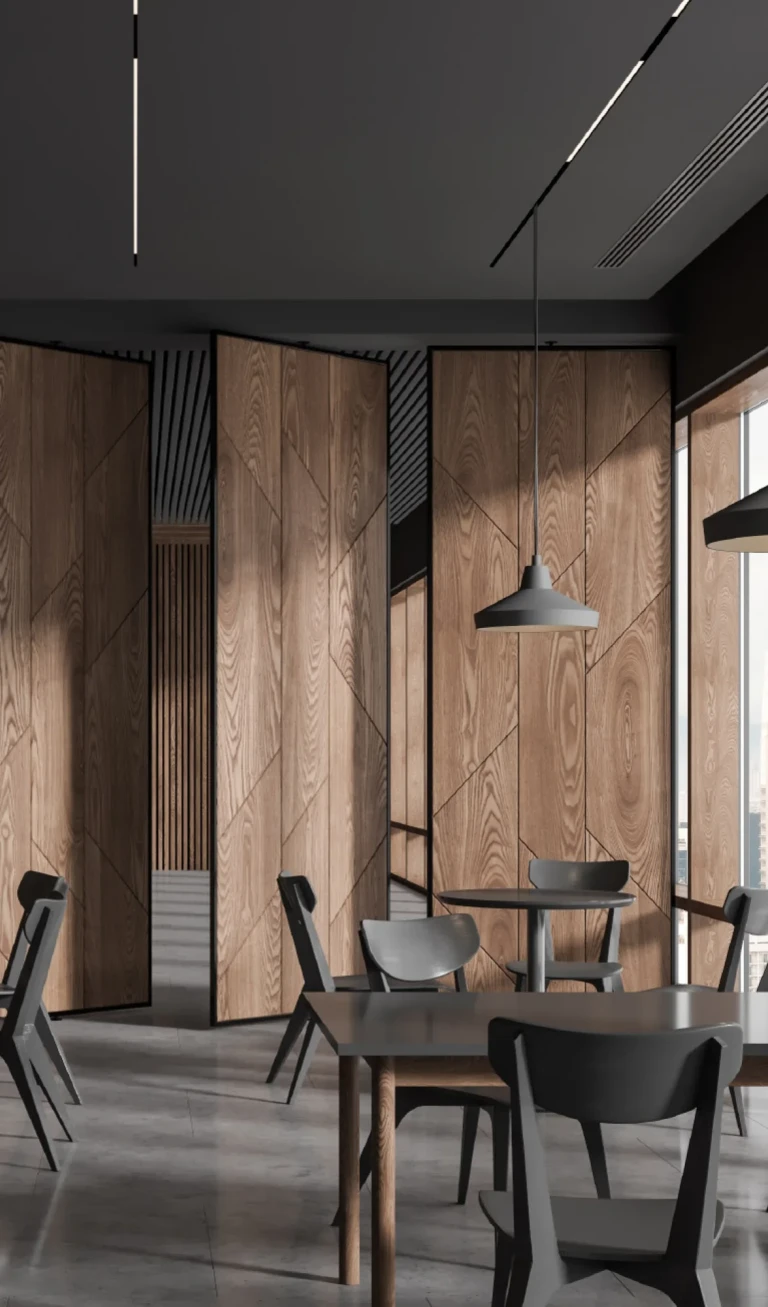
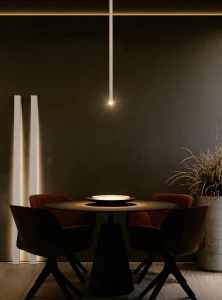
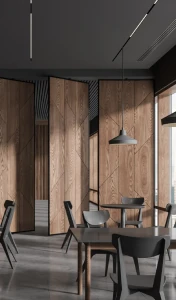
The light fixture for a space is chosen according to the need and the conditions; for example, in dining areas it is common to install light fixtures that hang down from the ceiling towards the table, creating a special, well-lit corner that highlights the table and lights those sitting around it.
Another example of choosing a light fixture according to need can be seen in bathrooms, where spotlight-type fixtures are usually installed, since they give strong light and do not take up much space in the room.
Different types of bulbs
The bulb is the cornerstone of the light fixture: it is the source that creates the artificial light, and it is what lights the space.
There are different types of bulbs, the most common of which are:
- Incandescent bulb: The first electric bulb ever invented.
The incandescent bulb uses energy very inefficiently, and is therefore considered the bulb that “wastes” the most electricity.
Its life is about 1000 hours. Despite its high electricity consumption, the incandescent bulb is blessed with pleasant, warm light.
- Fluorescent bulb: Fluorescent bulbs have largely replaced incandescent bulbs, as they are far more economical.
The fluorescent bulb is made of a glass tube.
The light it gives is relatively cool compared with the warm light of the incandescent bulb, but its electricity consumption is much lower, and it also gives strong, plentiful light.
Fluorescent bulbs are common in spaces that need comfortable light for work, for example kitchens, offices, classrooms, hospitals and so on.
- LED bulb: LED bulbs have revolutionised the world of lighting.
They contain no mercury and emit no UV light, two elements regarded as harmful, and they have a very long life; more than 5 years, and in addition- they are far more economical than the other types of bulb.
LED bulbs are cheap to buy, and they give natural light that is pleasant to the eye.
Today LED bulbs are the newest technology in the world of lighting, and there is no doubt that this is the lighting of the future.
Character of the lighting
There are different mechanisms of light planning, and different technical practices that create them.
Based on the following parameters, you can decide which light fixture will be right for our needs:
- Lumen: the amount of light the bulb emits in all directions in one second. By checking the lumens, you can tell what the light output of the light fixture will be.
- Candela: the light intensity emitted from the light fixture; strong, weak, dimmed and so on.
- Dimmer: a mechanism for lowering and raising the light; with a special switch you can control the light intensity.
In summary, this article reviewed basic terms from the world of lighting through which we can illustrate our specific need for a type of lighting, and secondly understand how we will meet that need – which light fixtures will meet it best.