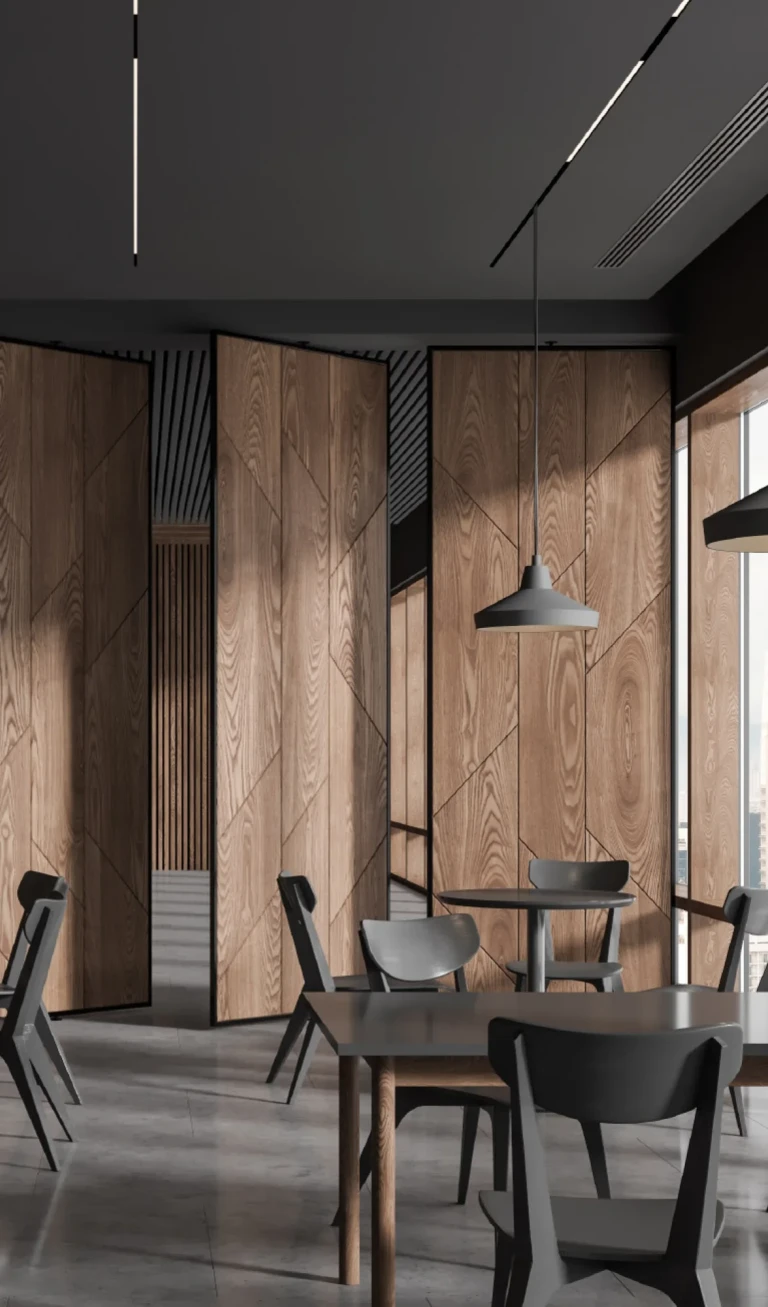
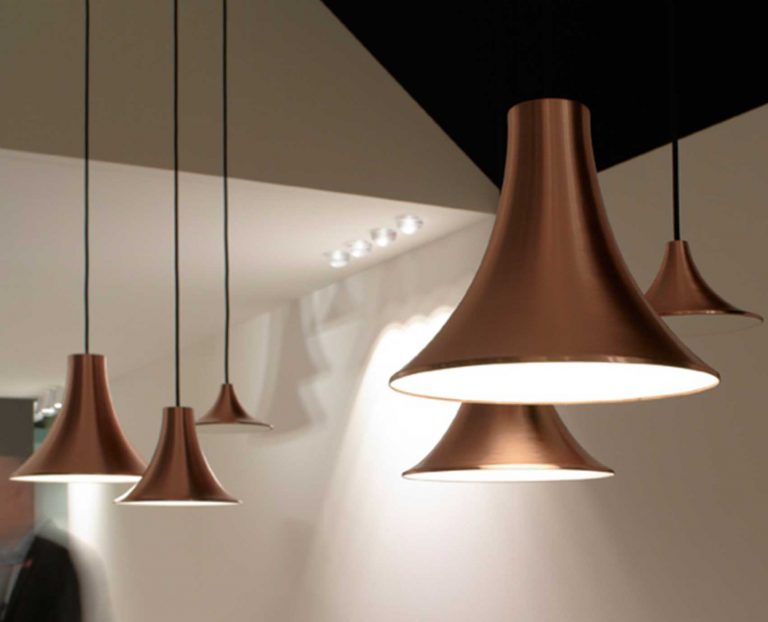
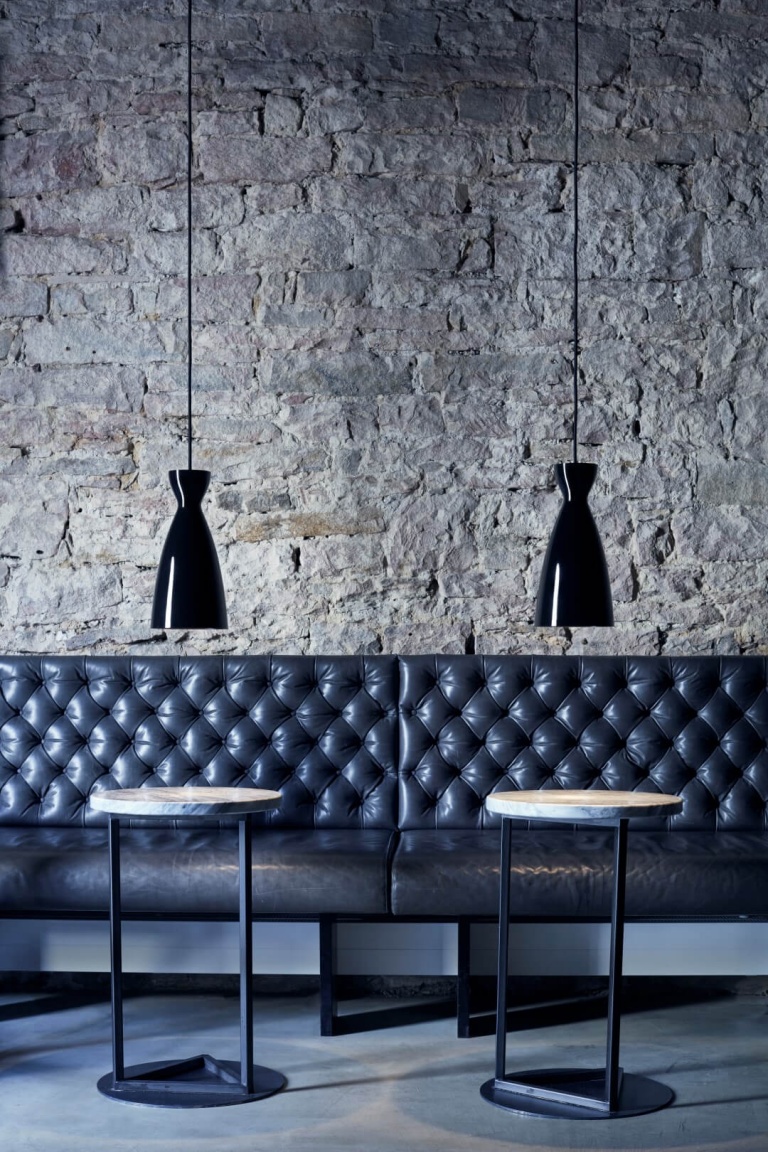
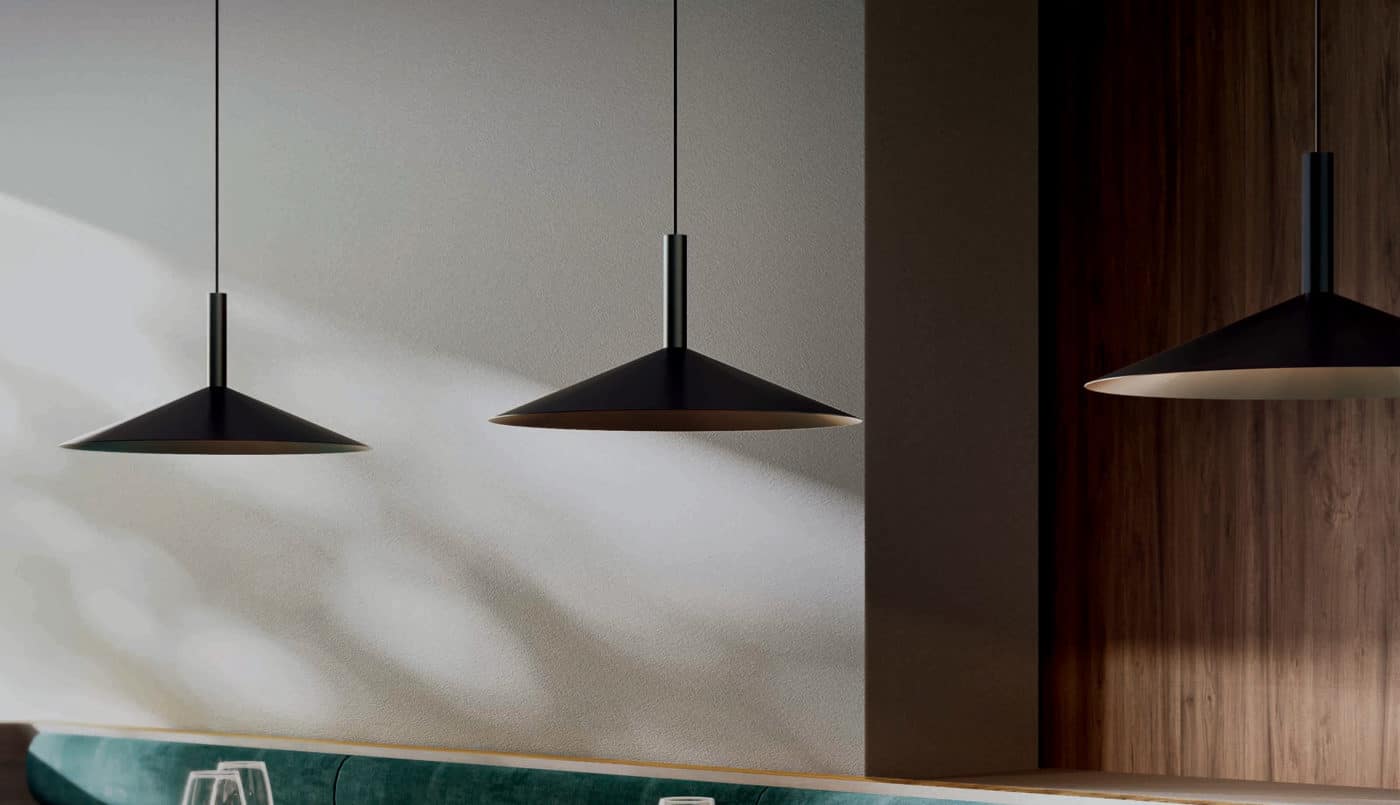
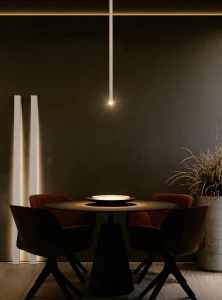
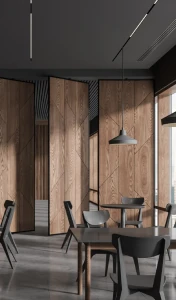
Dining area lighting usually starts with a pendant lamp or a chandelier above the table, and continues with general light and dimming that lets you change the atmosphere. In this guide you will find ideas for choosing lamps for the dining area, and at the end a selection of pendant light fixtures from the catalogue. On hanging height and the size of the lamp relative to the table, see the guide to pendant lamp height and size.
Food should also be an experience, so for the atmosphere in the dining area to let you celebrate time at the table, make sure the lighting does its job too.
Lighting for the dining area is not only practical; very often it is also a design piece.
Likewise, when choosing lamps for the dining area, make sure the whole area is covered and that the intensity can be controlled – so that several different atmospheres can be created.
Finally, the range is large, and dining area lighting can be low or raised, prominent or even concealed.
The dining area is one of the central places in the home, and so it deserves lighting of its own that will support, glorify and above all light up the delicacies on the table.
Because it is a unique corner of the home, this is also the place to add your personal touch to the lighting design of the home and bring in your creative abilities.
That way you can turn every meal into a multi-sensory celebration.
About dining area lighting
Lighting for the dining area usually needs to light a limited area, a distinctive space in the home that serves a central and important purpose.
The dining area is the place where we gather physical and emotional energy, and it is the perfect place for you to let your imagination run free.
In terms of dining area lighting, the creative freedom lies in the fact that it is a relatively small space, so it is usually not hard to cover it with light efficiently.
A combination of economical, powerful LED lighting
In the dining area it is recommended to use LED lighting, both because of its efficiency and because of the variety of ways in which it can be used.
LED profiles let you play with the lighting to your taste.
Powerful, economical LED bulbs and, of course, glowing, colourful LED strips that add vibrancy and joy to every meal.
All of these are just a taste of the advantages of LED lighting for the dining area.
LED bulbs also have a further advantage, because they give off almost no heat and do not emit harmful radiation – important factors near the dining table.
Added to all this is the advantage of controlling and regulating the intensity of the light emitted by the LED lamp with dimmers.
Different design styles
The dining area is the place where you can “go wild” and think about the style that suits you. At the same time, we would also recommend consulting our experts, who will help you bring dream and reality together and recommend ways of carrying it out that are convenient, simple and efficient. Here are some suggestions for lighting the dining area:
- Lamps hanging from the ceiling down to a distance of usually about 60 cm from the dining table.
This is usually the optimal distance for these lamps, as it combines optimal lighting with a comfortable distance from the people around and from the table itself.
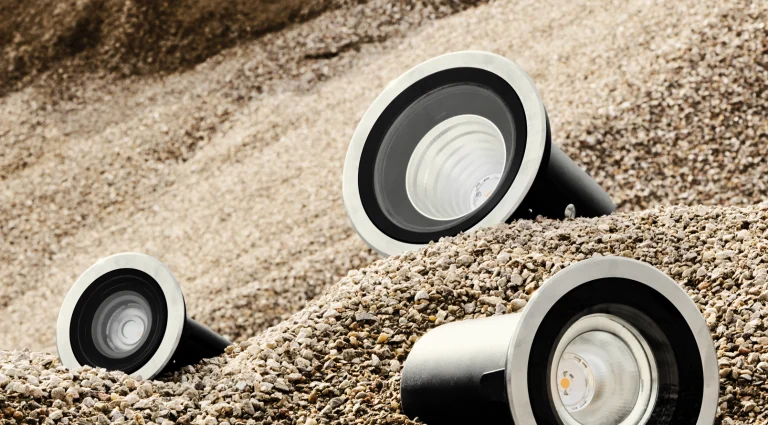
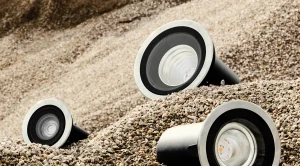
- Recessed ceiling lighting to create a sense of airiness and lightness around the dining table.
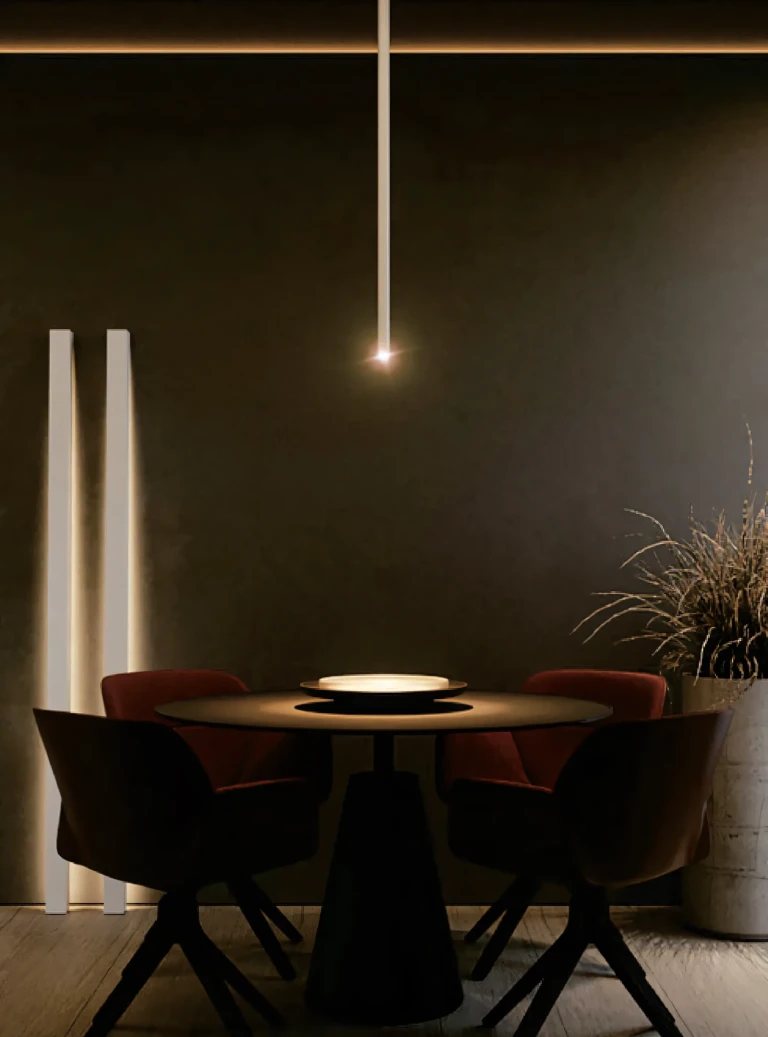
- Using LED strips – this can often be useful where the table stands against a wall, and suits particularly innovative and original designs.
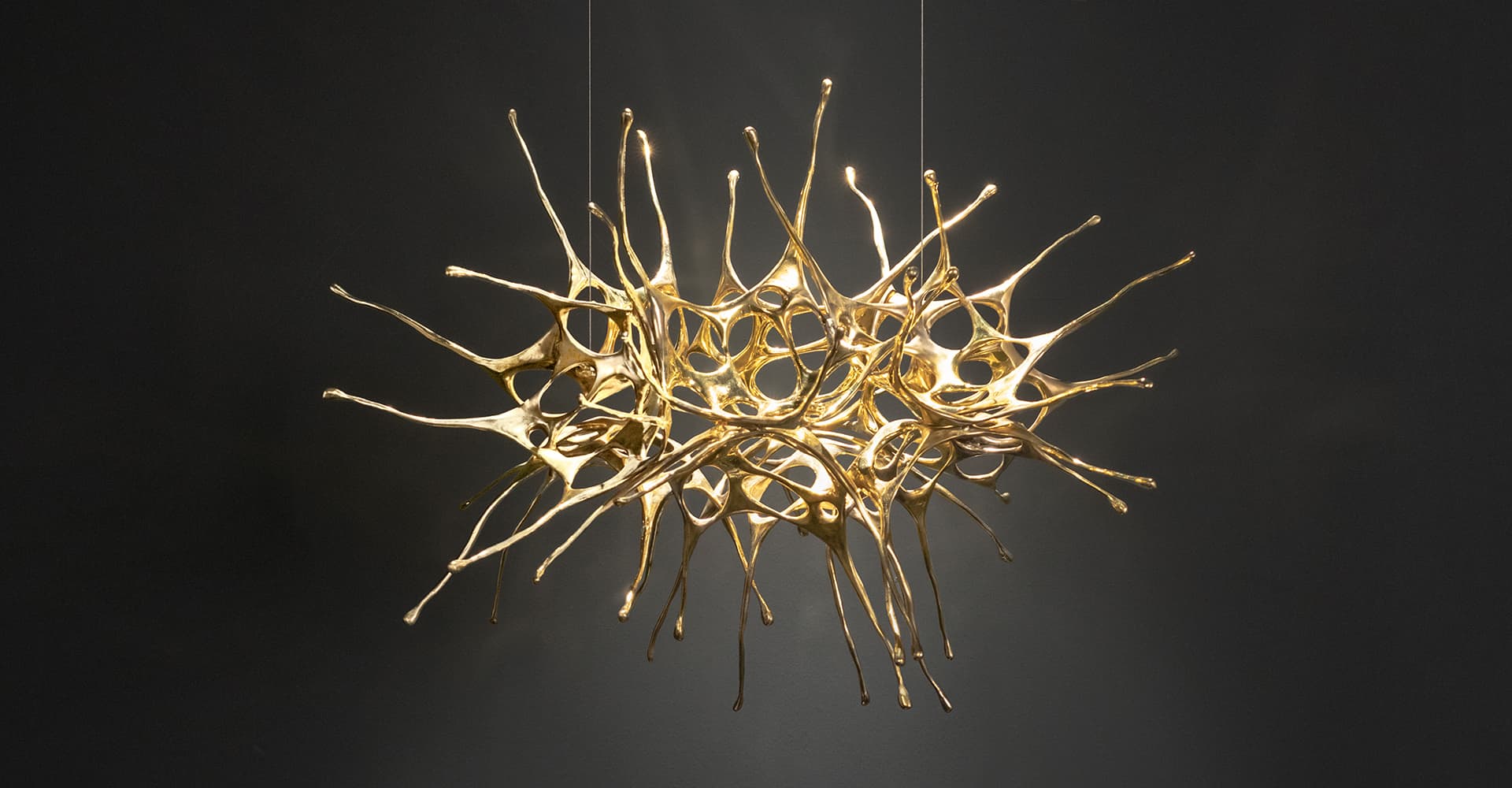
- Using a large, creative light fixture that draws attention, such as chandeliers.
Tips for designing lighting in the dining area
- Several different lighting elements can be used – a creative use that adds playfulness to the design of the dining room.
- Make sure the dining table gets sufficient lighting, since design considerations often win out over efficiency.
- It is highly recommended to use dimmers so that you can play with the light output in the dining area.
- Because of the handling of food, knives and other utensils and ingredients that call for suitable lighting.
It is usually better not to use overly colourful lighting near the dining table.
- In the dining room it is recommended to use mainly warm lighting and lights with a more “yellowish” tone, to create a homely feel.
At the same time, make sure the room is lit sufficiently.
Pendant lamps and chandeliers for the dining area from the catalogue
A few pendant lamps and chandeliers from the catalogue that are suitable for hanging above the dining table. Each name leads to the model’s page in the catalogue.
- Abacus Round by Terzani: a modular pendant lamp in brass with hand-blown opal glass spheres, on a round ceiling-mounted base.
- Doma Chandelier Linear by Venicem: a linear chandelier with metal arms and glass shades, giving soft, indirect light.
- Lederam Manta S1 by Catellani & Smith: a pendant lamp with a disc about 60 cm in diameter around a flat LED module.
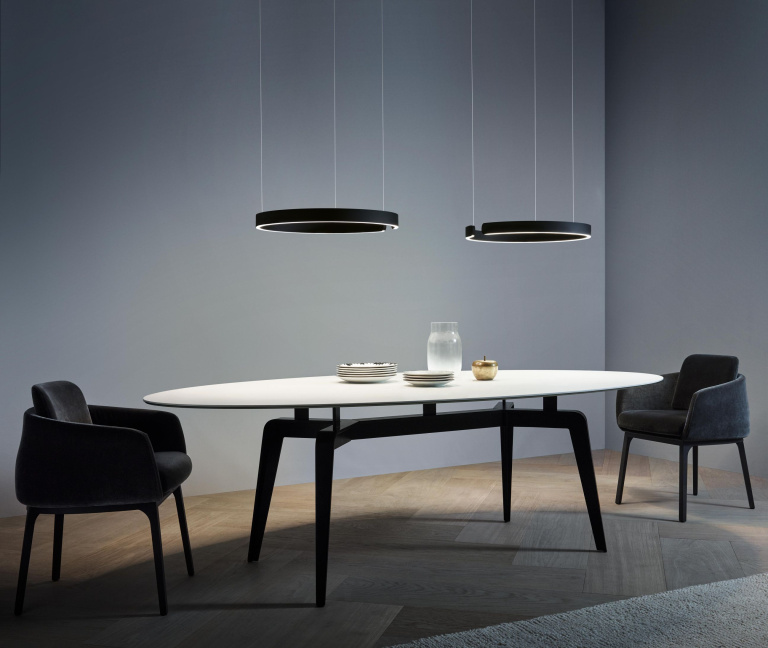
- Lipps by Trizo21: a ring-shaped pendant lamp that gives indirect light, 20, 30 or 60 cm in diameter.
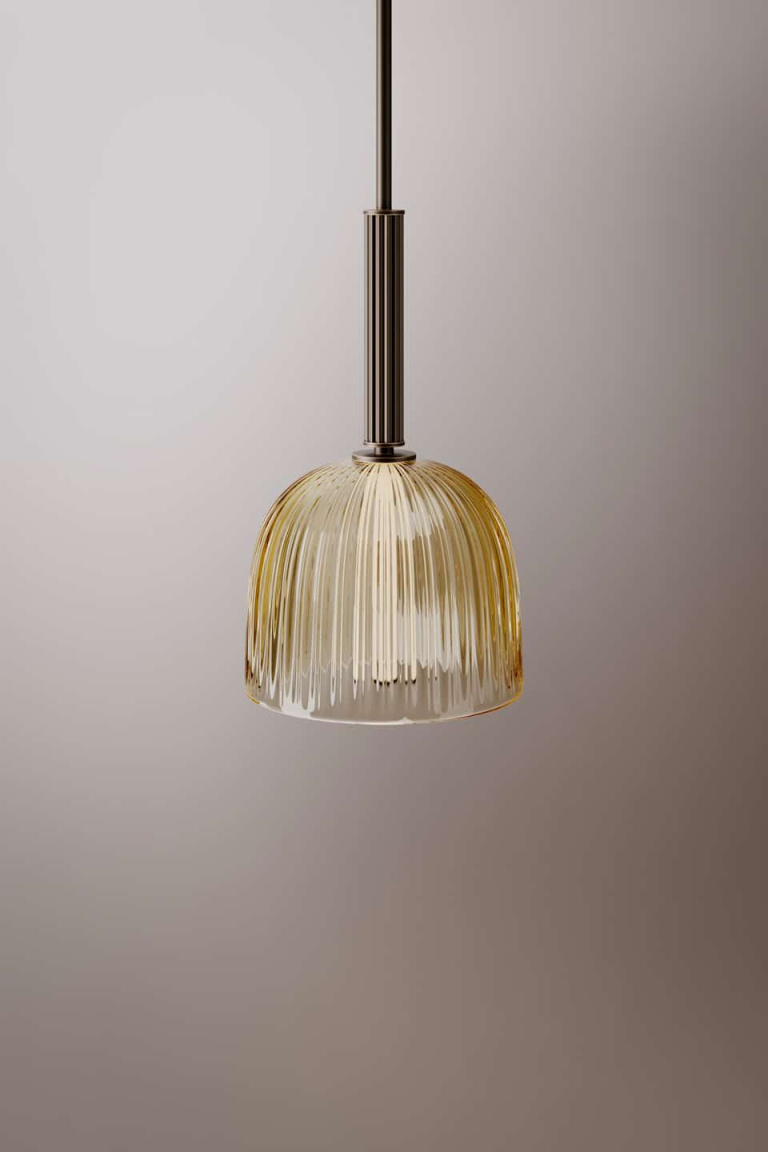
- Mamì by Penta: a pendant lamp in white, oval blown glass, in a matt black or brushed bronze metal structure.
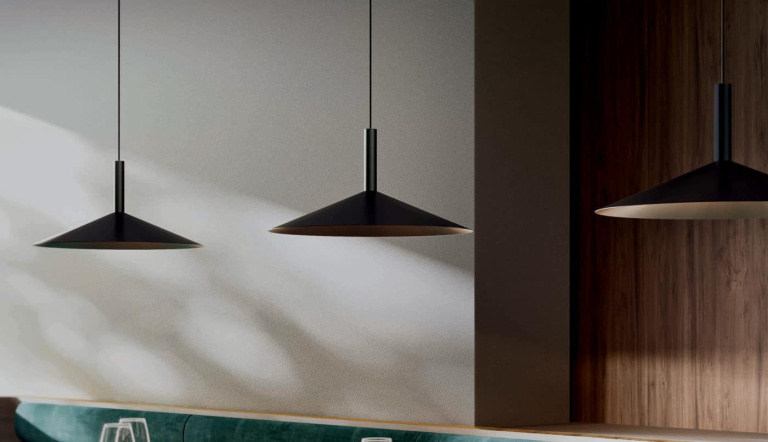
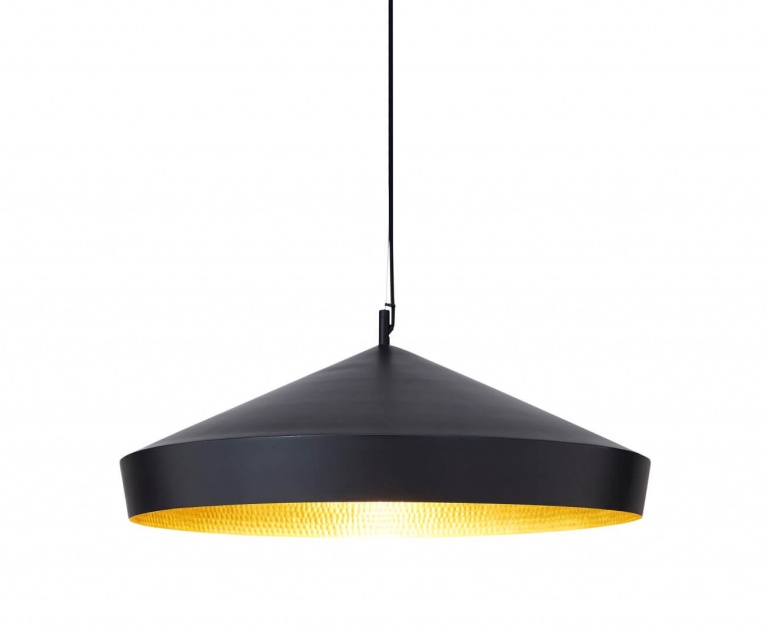
- BEAT WIDE by Tom Dixon: a wide pendant lamp 36 cm in diameter, in black, brass, grey or white.
- Etoile by Terzani: a pendant lamp in a nickel finish, in three sizes, that creates a play of light and shadow.
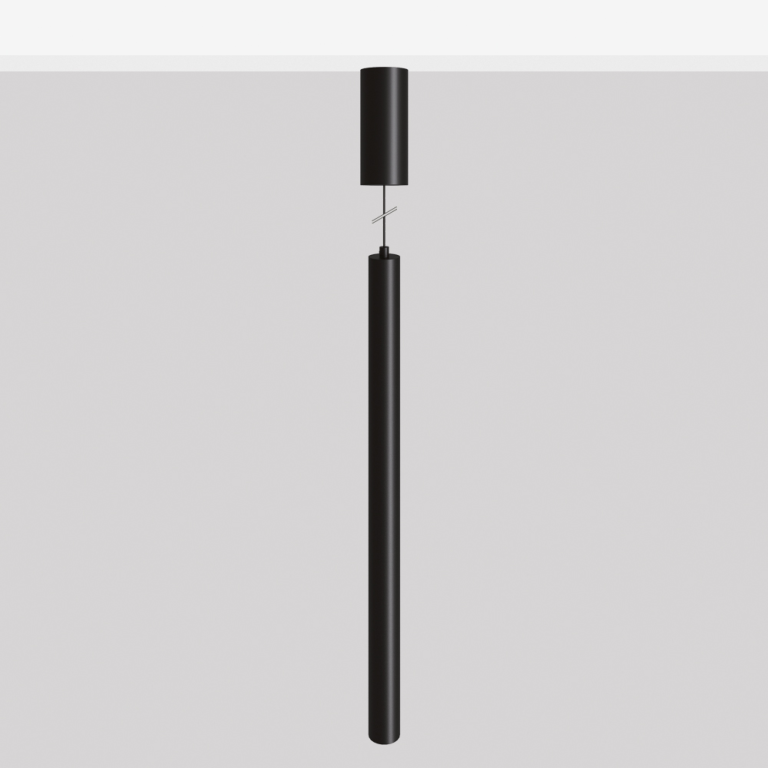
- PRETTY LONG by NYTA: a pendant lamp in black or white, for an E27 bulb.
- Mito sospeso by Occhio: pendant lamp.
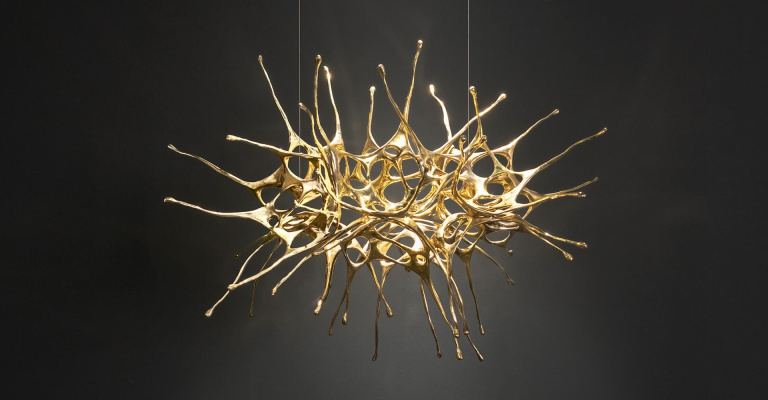
- Jackie O Chandelier by Catellani & Smith: chandelier, colour temperature 2700K, CRI 90.
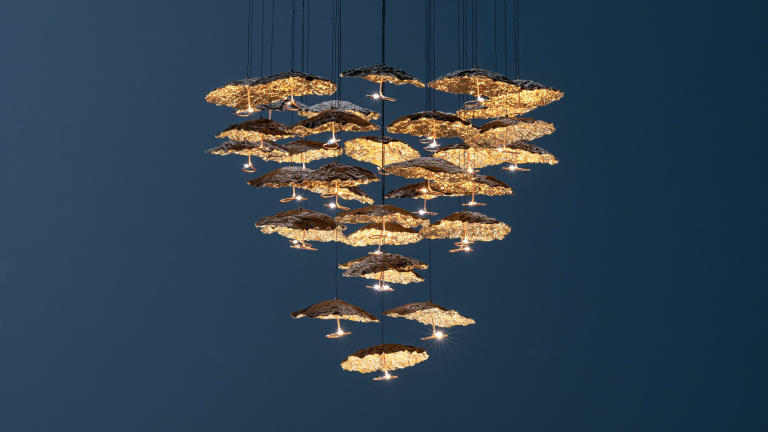
- Gold Moon Chandelier by Catellani & Smith: chandelier, colour temperature 2700K, CRI 90.
- Volver by Terzani: designer pendant chandelier.
For all models: Pendant lamps and chandeliers, and for general light around the table Recessed ceiling light fixtures.
Related guides: How high to hang a lamp above a dining table, Modern chandeliers for the living room and dining area and Lighting for the kitchen. Most of the models can be seen lit in our showroom at Dan Design Center, Bnei Brak; book a meeting, or call 054-5538204.
Frequently asked questions
Question: “If our dining area is in the kitchen, does it need to be lit separately at all?”
- Answer: “If you want to separate the preparation of the food from the meal itself, you can install dedicated lighting for the dining table and switch between the light for cooking and the light used at the table”.
Question: “Can we buy the lighting before we buy the table and chairs?”
- Answer: “Certainly. As with everything in art and design, there is no right and wrong, only judgements of taste.
That said, it is usually recommended to decide on the furniture first, because then the lighting can be integrated so that it lights the dining area optimally and in synergy with the rest of the design”.
Question: “Won’t lamps hanging down from the ceiling heat up the people sitting there and the food?”
- Answer: “It is recommended to consult our experts at Barami in order to work out the optimal height for pendant lamps for you.
If the heat the lamps give off really bothers you, it is recommended to use LED lighting, which is safe, economical and environmentally friendly”.
Question: “We want an elegant, simple design; what could suit us that won’t stand out at all in the dining area?”
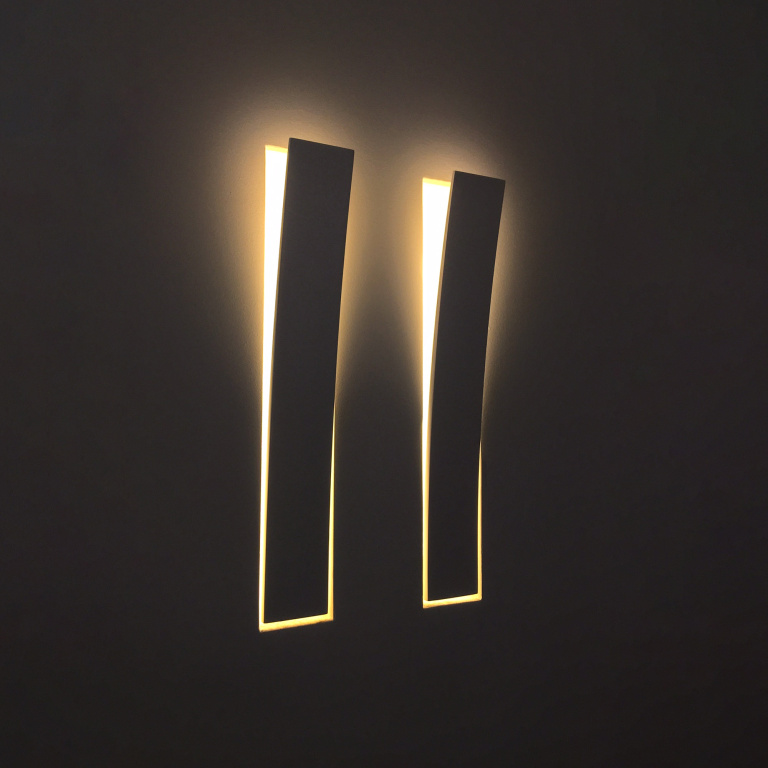
- Answer: “A recessed plaster lamp can suit such a case; it can be installed in the ceiling, for example.
That way you both light the room optimally and preserve the design character of the rest of the space”.
Question: “We are worried that the lighting design we want for the dining room really doesn’t match the design of the rest of the house; what do we do?”
- Answer: “In such cases it is recommended to consult our experts in order to see where the design aspirations clash and to find the best way forward.
So as to preserve your unique design and integrate it with the design of the rest of the home”