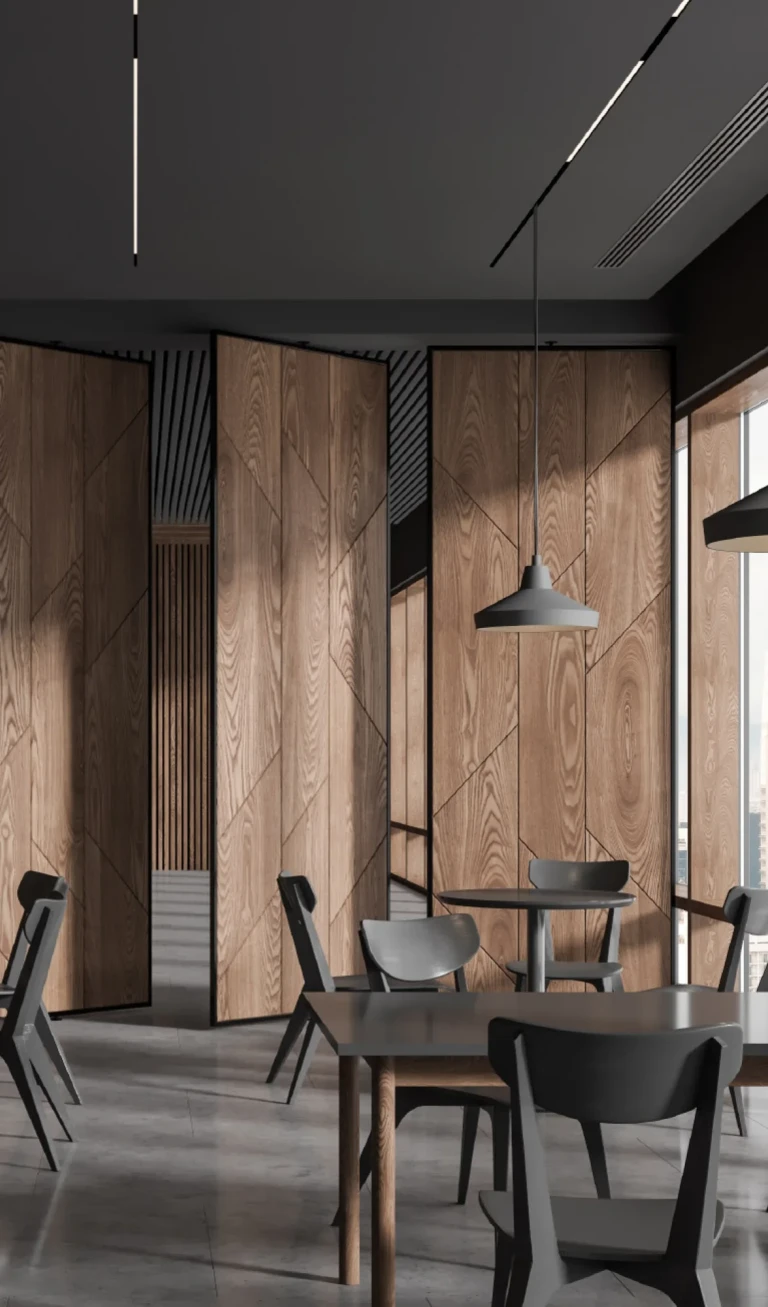
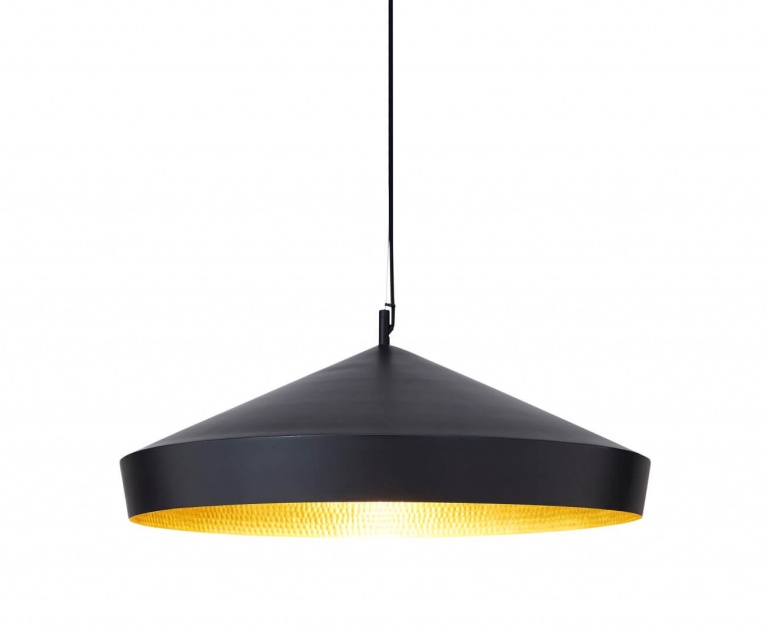
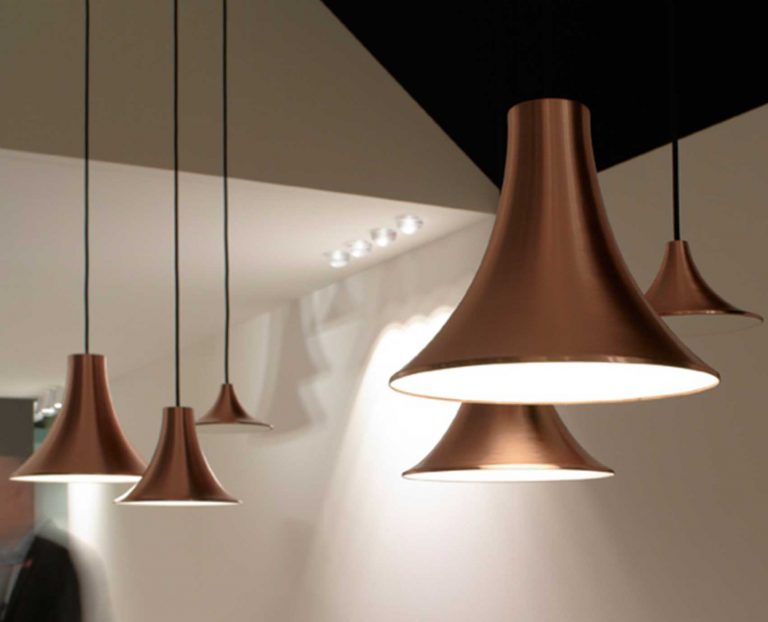
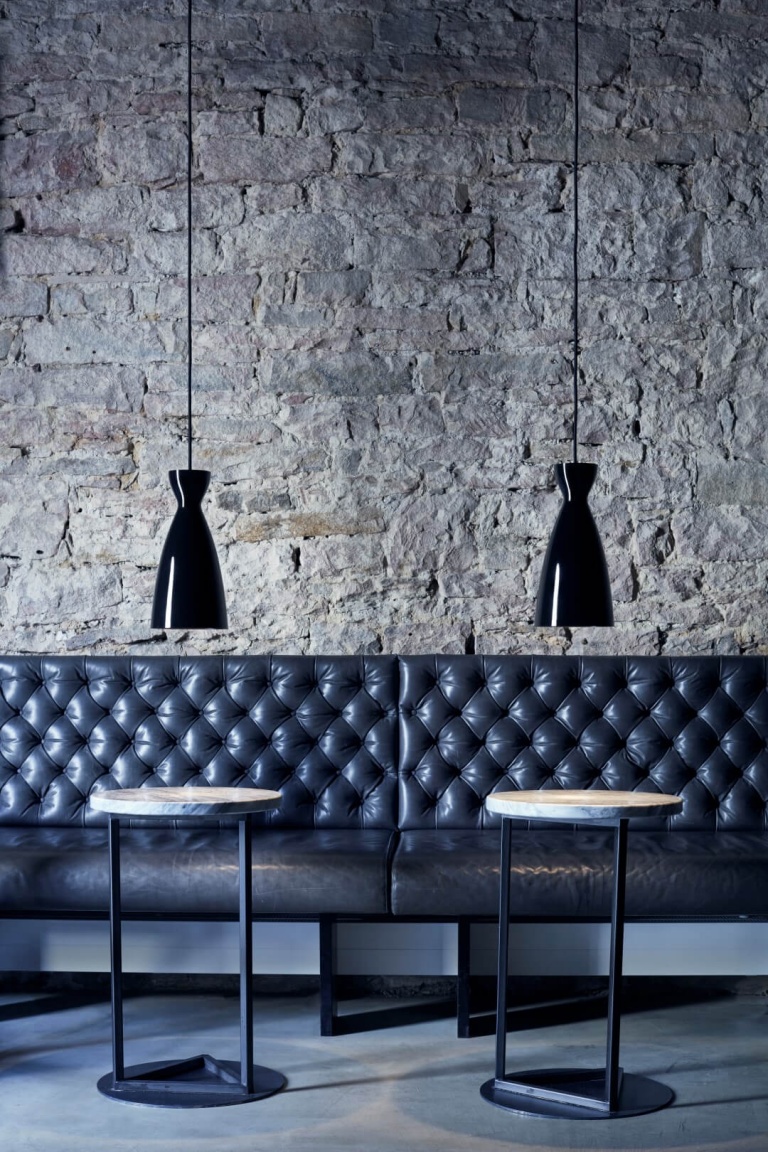
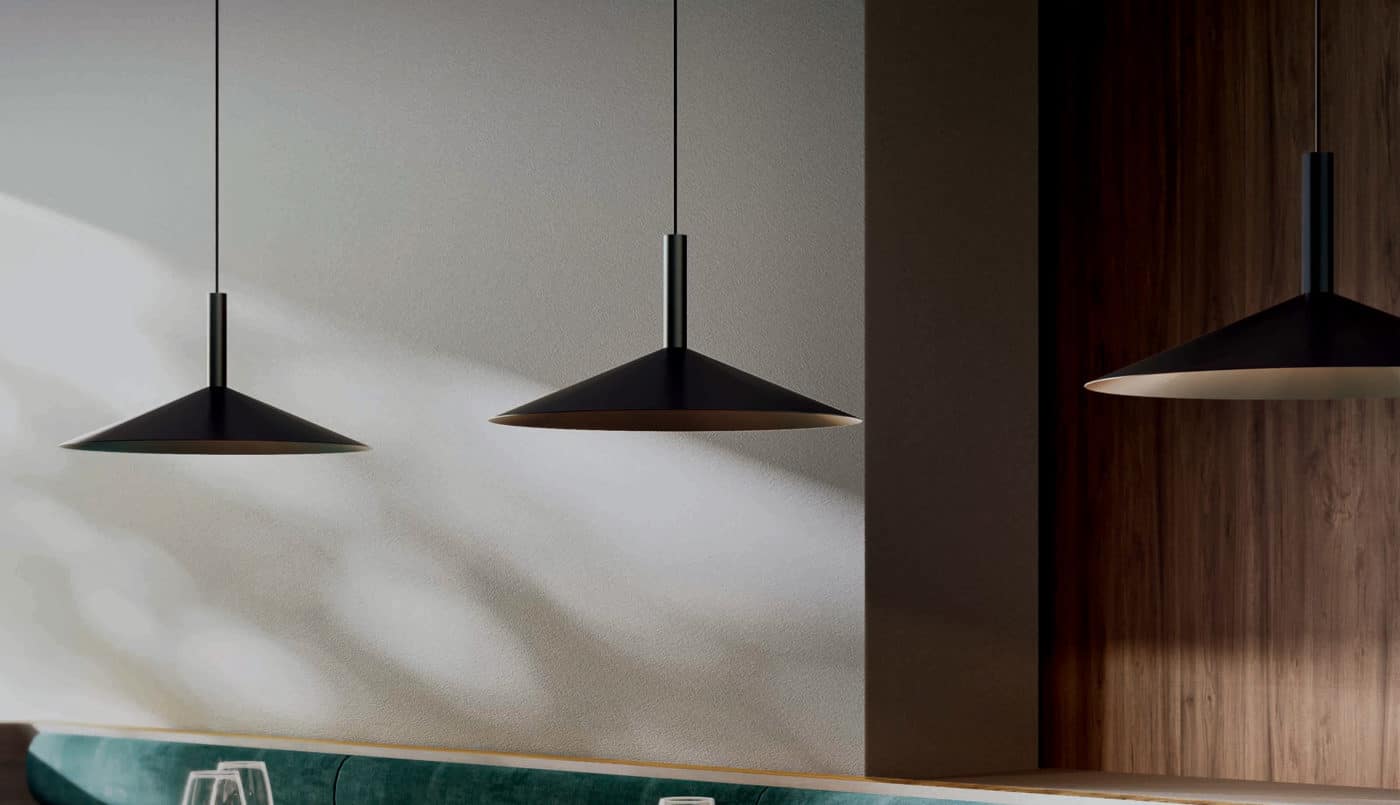
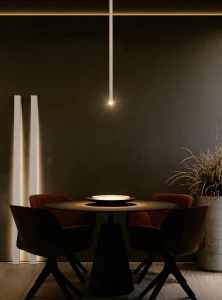
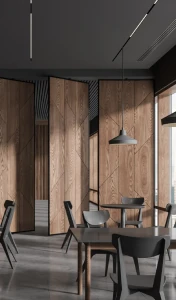
Renovating? You have surely searched the web for ideas and inspiration, both for furniture and other design elements and for interesting, flattering colour combinations.
The pictures in magazines do not reflect how the space really looks, because they are photographed with lighting that flatters the colours and the atmosphere they are trying to convey.
As in the magazines, so at home we should aim to match the artificial and natural lighting to the dominant colours in the space, whether through furniture and textiles or the colour of the wall.
Colour sets the atmosphere in a space, and can give it liveliness and flow or a classic, light feel.
Since this sets the tone and the design language you will use, it is important that the lighting flatters your vision and does not spoil it.
Lighting, types of bulbs and their effect on the colours of the room
Lighting changes the way colour comes across in a space, so it is important to match the specific lighting in the space with the colour tones that will go into it.
Under different types of lighting, colours can look a different shade.
It all depends on how colour and light combine and interact.
The way we see colour depends mainly on an object’s ability to absorb light and on which light source is involved.
For example, black textile absorbs all colours, and there is a difference between natural sunlight, which changes throughout the day and lights the space differently, and artificial light, where the way it lights the room varies according to the bulb used and the light distribution.
The type of bulb is a factor that affects the choice of colours for the walls and the furniture.
Today most bulbs, such as LED bulbs and fluorescent lighting, can be bought in different colour temperatures.
Standard fluorescent lighting gives the space a cool colour and so flatters greens and blues.
The halogen bulb gives the space a white or yellowish light reminiscent of natural light, and so enhances every colour and brings it to life.
How to influence the colour of a room with lighting
The location of the space also affects the type of natural light that will light it.
For example, north-facing rooms will have bluish, cool natural light, so it is worth combining strong colours in other elements of the room.
East-facing rooms will have warm, yellowish light before noon, and bluish light in the afternoon.
So it is worth combining warm reds, yellows and oranges in these rooms.
To create a tone of warm colours, it is recommended to use halogen bulbs with a warm colour temperature rating.
To create the opposite effect, a “cool”, neutral atmosphere, fluorescent bulbs will do the job.
It is important to remember that there are different types of fluorescent bulbs, so check the Kelvin rating that characterises the colour temperature of each bulb.
The rating for white, neutral light should be close to 4,000.
For the halogen bulb, which creates warm light, the rating should be close to 2,700.
The LED bulb is efficient and economical and comes in different colour temperatures.
5 tips to help you achieve the colour effect you want
- Get samples of the rug you want and see how its colour looks different at different times of the day.
That way you can be sure you are choosing the right shade.
- Prepare two samples of the wall paint (apply at least two coats of paint to the sample) and check how the colour works with the natural light in the space at different times of the day.
- In a renovation with a contractor, you may not be able to hang the light fixtures before the painting.
In that case you can check the effect of the lighting on the colour of the room with a floor lamp or a table lamp fitted with the different bulbs.
- Walls painted in light colours can reflect into the room light that is affected by the strong colour of a rug.
For example, a light blue rug can make a white wall look bluish.
- The gloss level of the paint on the walls also affects how the colours of the other elements in the room look.
A glossy finish creates reflections of light and changes the way we see the colour.
With a matt finish, colours look as they really are under bright light, and their tone changes less.
Remember, lighting is power, and the connection between light and colour is a nourishing one, each with a great influence on the other.
Think about the type of lighting, its effect on the atmosphere in the space and on the way the colours will look.
Try to understand what atmosphere you are aiming for, experiment, and even consult professionals.