













Lighting: a guide to choosing lighting for home and business
In short: good lighting starts with what you do in a space; choosing the fixtures comes later. Plan three layers of light, ambient, task and accent, with the decorative fixtures beside them; choose one colour of light for spaces seen together and a high colour rendering; match the lighting to each room; and finally choose the kinds of fixtures that suit the ceiling, the walls and the furniture. This guide gathers the essentials, with links to the categories in our catalogue.
Lighting affects a home or a business more than almost any other design decision. The same living room can look warm and inviting or flat and tired, only because of where the fixtures are, the colour of the light and how they are switched. Most mistakes can be avoided with a few simple principles, as long as you think about them before ceilings and walls are closed.
What lighting does in a space
Lighting has several jobs at once, and it is worth thinking about all of them:
- To see and to work: moving around safely, cooking, reading and getting ready without strain and without shadows on the hands or the face.
- To create a mood: soft, low light calms; bright, even light energises. The same room can move from morning to evening through its lighting alone.
- To shape the space: light on the walls and the ceiling makes a room look larger and taller. The eye judges a space by the brightness of its walls, not of its floor.
- To bring out materials and colours: a stone wall, wood, art or merchandise in a shop look completely different under the right light.
- To be a design piece: a pendant lamp, a chandelier or a wall lamp is seen even when it is off, and it is part of the room’s design.
By day the sun does part of the work; in the evening artificial lighting takes on all of these jobs. So good planning looks at the space after dark as well.
Layers of lighting: ambient, task and accent
A well-lit room does not rely on one point of light in the middle of the ceiling, but on several light sources working together. Each layer answers a different need.
Ambient lighting
The basic light that fills the space and lets you move through it. It can come from recessed ceiling lights, ceiling lights, hidden lighting in a plaster cornice or one large central fixture. The aim is even light, without strong hot spots and without dark corners.
Task lighting
Focused light where something is done: the kitchen worktop, the desk, the bathroom mirror, the bedside and the reading corner. More light is needed here, and it has to come from the front or the side so that it casts no shadow on the hands or the face.
Accent lighting
Directed light that brings out something specific: a picture, a stone wall, a bookcase, a niche or a plant. Track spotlights and adjustable fixtures suit this especially well, and light washed over a whole wall gives the space depth. Without an accent layer even a well-lit room looks flat.
And the fixtures you see
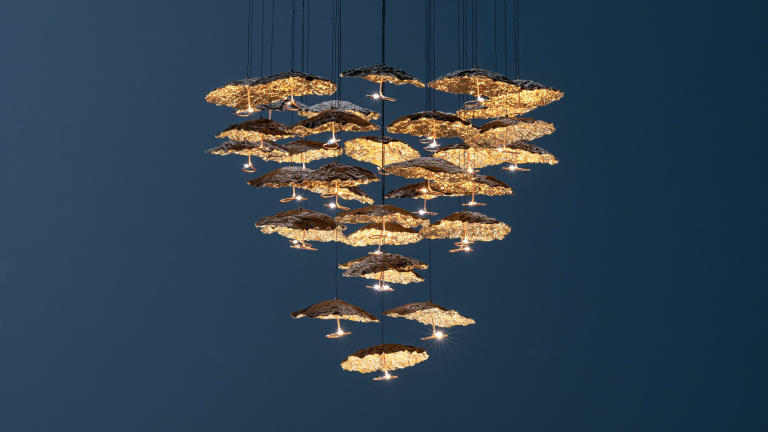
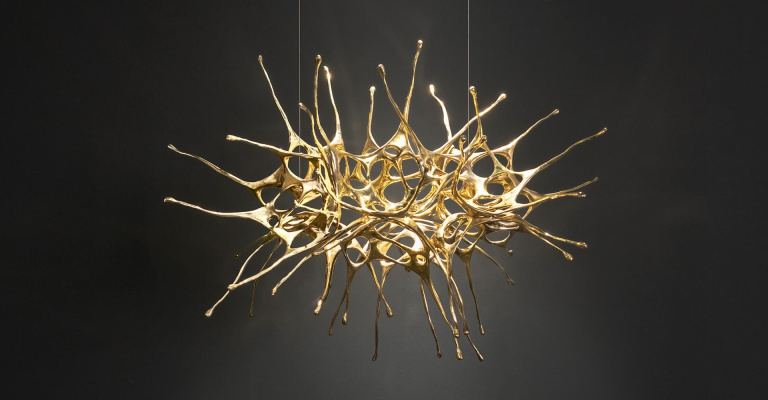
Pendant lamps, chandeliers, wall lamps, floor lamps and table lamps are the decorative layer: they give the room its character, and sometimes add to the ambient or the task light too. It is best to choose them once the other layers are clear.
The secret is to put each layer on its own circuit, ideally dimmable, so that you can compose a different scene for the morning, for work, for a meal and for a quiet evening. The dimming method (TRIAC, 0-10V, DALI or wireless) has to match the fixtures and their drivers.
Colour temperature in kelvin and colour rendering (CRI)
Two numbers decide how the light looks. The first is the colour temperature, measured in kelvin (K): a low number means yellowish, warm light, and a high number means whiter, cooler light. Living spaces at home usually take 2700K to 3000K, and the kitchen and work areas 3000K to 3500K. Light of 4000K and above gives a home, especially in the evening, the feel of an office.
The second is colour rendering, CRI (or Ra), on a scale up to 100. It decides how natural colours, wood, fabrics, food and skin tones look. For homes, shops and restaurants a CRI of 90 or more is recommended, and it is worth checking the R9 value too, which measures how reds are rendered.
The most important rule: all the fixtures seen together should have the same colour of light. A cool spotlight next to a warm wall lamp looks like a mistake. More on our technology pages Colour temperature and Colour rendering.
Lighting room by room
Living room
The living room is for guests, watching, reading and resting, so it needs several layers that can be switched separately: soft ambient light, a floor lamp for the reading corner, wall lamps or hidden lighting that light the walls, and accent lighting for art or a bookcase. Avoid spotlights directly above the sofa, which glare into the eyes of whoever sits there.
Kitchen
In the kitchen the main thing is good task light on the worktop. It should come from above and in front, for example from an LED profile under the upper cabinets, and not from a spotlight behind your back, which casts a shadow on your hands. Pendant lamps suit an island, and 3000K to 3500K with a high colour rendering shows food as it is.
Dining area
The pendant or chandelier is centred over the table, not over the room, at a height and size that suit the table. Dimming lets the same table move from a bright lunch to an intimate dinner.
Bedroom
In the bedroom the light should be soft and warm, usually 2700K. Beside dimmed ambient light, each side of the bed deserves its own reading light, so one can read without disturbing the other, and the wardrobe needs light that shows clothes in their true colours.
Bathroom
The bathroom has its own safety rules: every fixture needs a protection rating (IP) that suits the zone in which it is installed relative to water. At the mirror, light from the sides or the front, which lights the face evenly, is better than a spotlight overhead that casts shadows.
Outdoor and garden
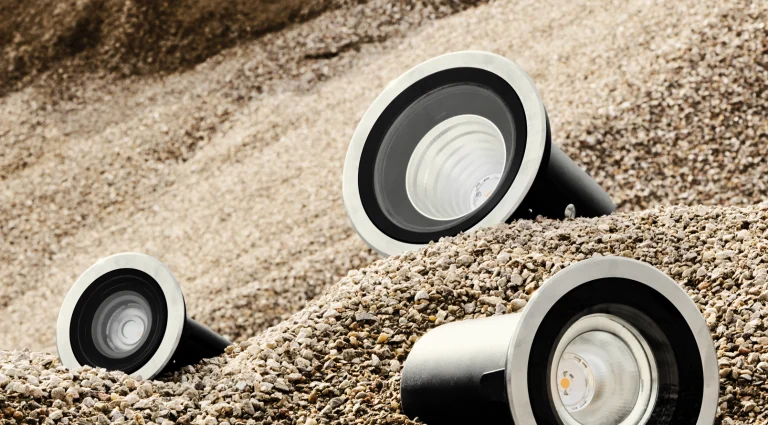
Outdoors, fixtures have to withstand sun, rain, dust and sometimes salt, so check the IP rating, the impact resistance (IK) and the materials. Light paths and steps for safety, trees and walls for mood, and take care not to glare at the neighbours or to send light up into the sky. The fixtures are in the category Outdoor lighting.
Kinds of light fixtures, and when each one fits
Once it is clear what light is needed and where, choose the kind of fixture. This is how our catalogue is divided:
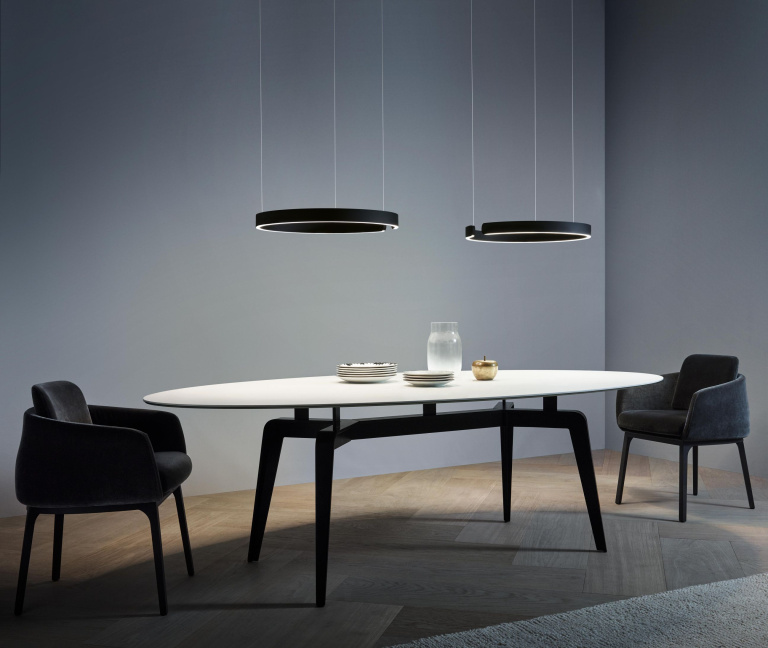
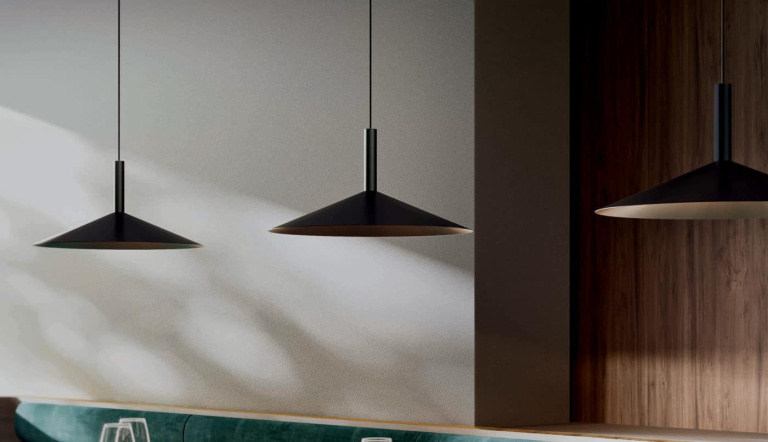
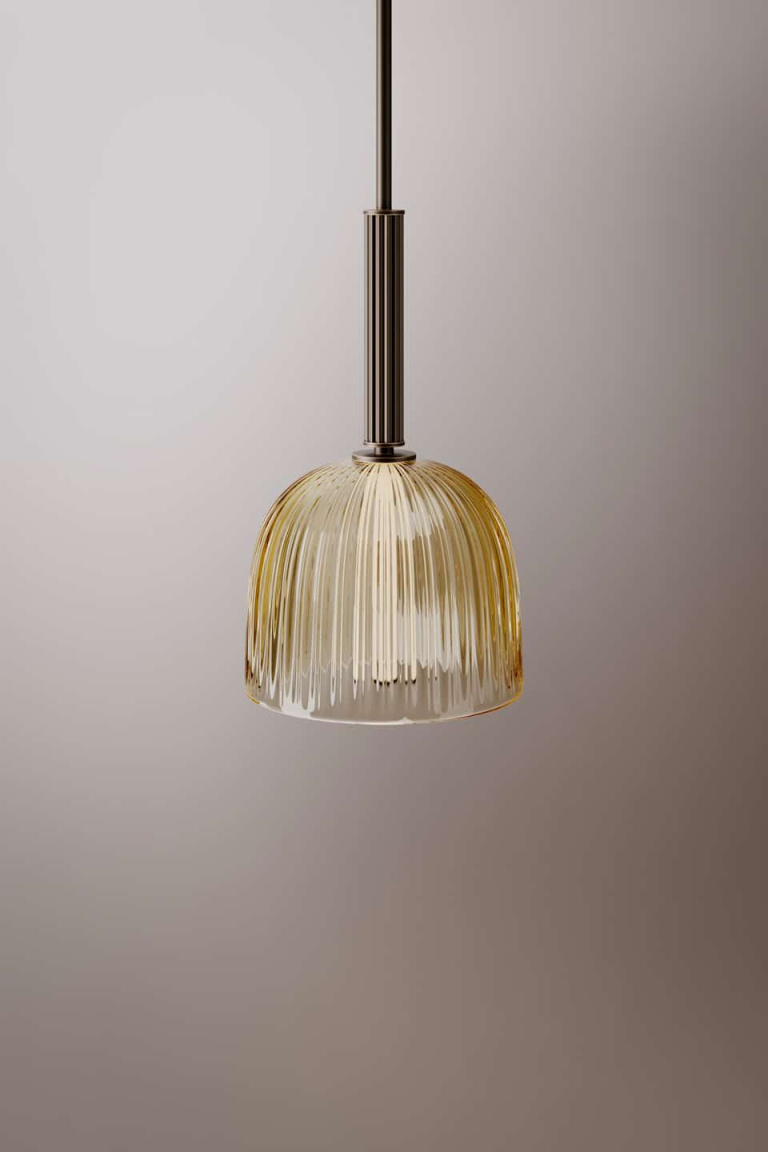
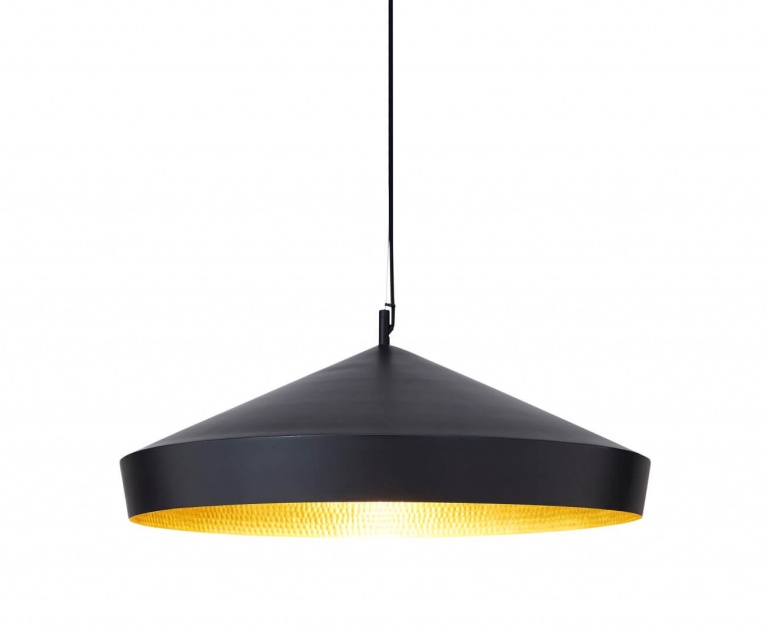
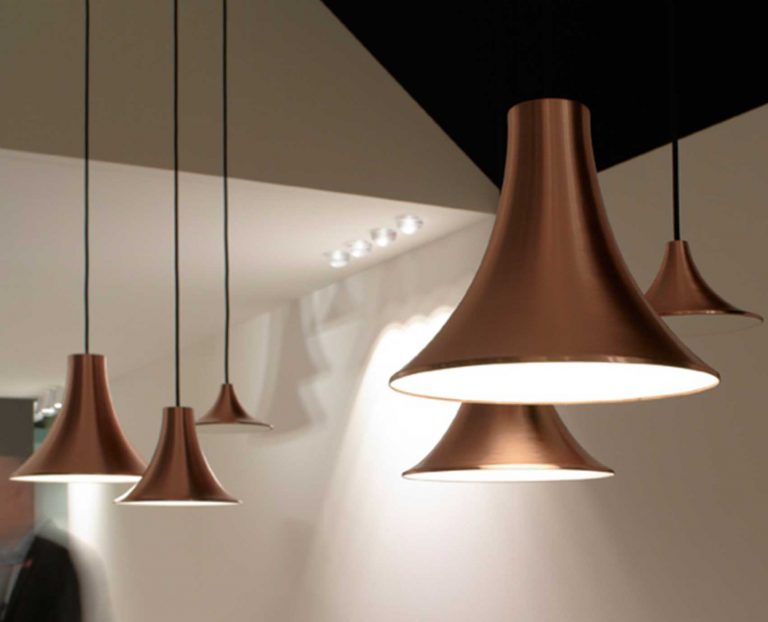
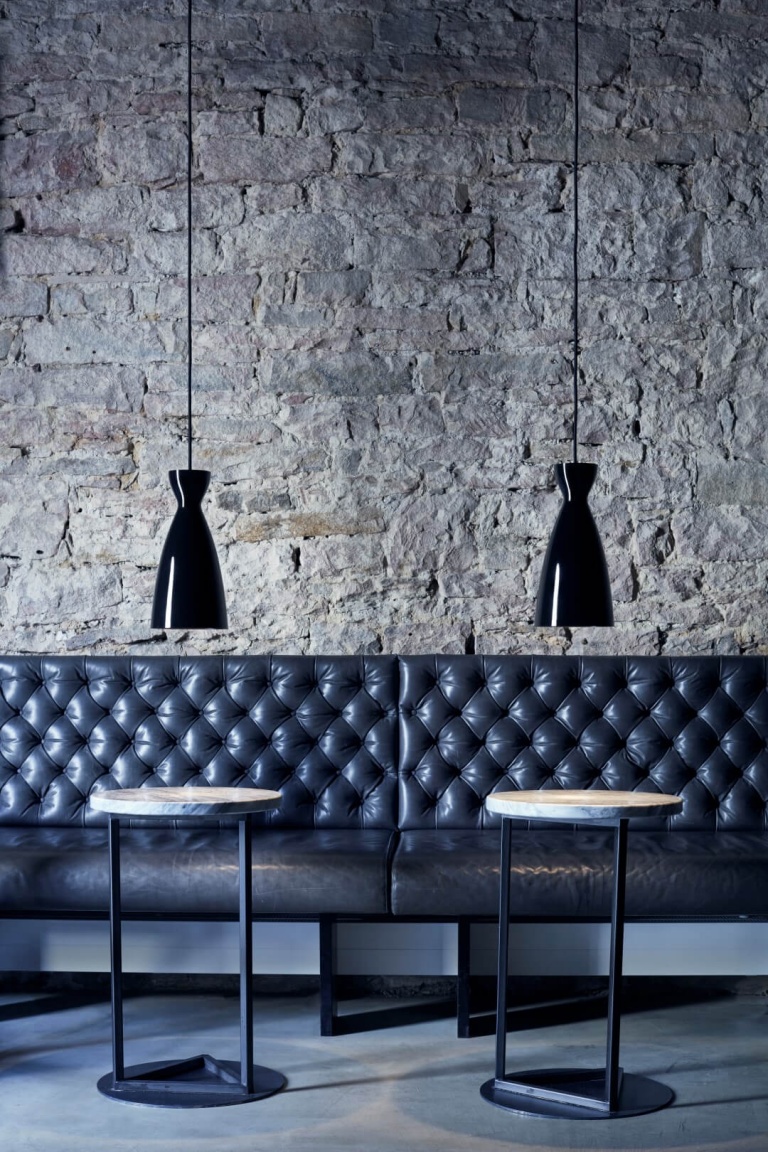
- Pendant lamps: over a dining table, a kitchen island, a double-height space or a lobby. A fixture that is also a design piece, and sometimes the room’s main source of light.
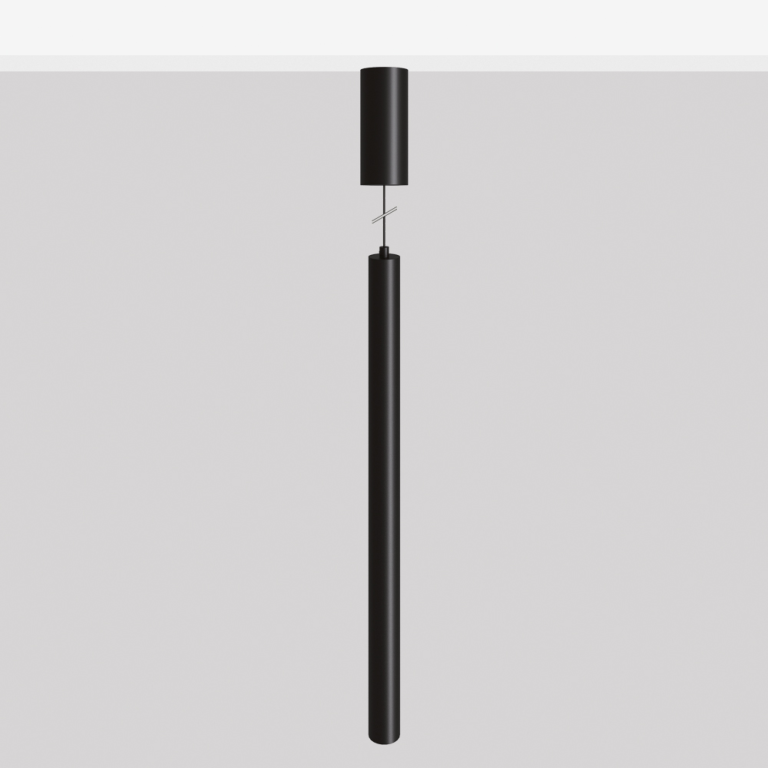
- Ceiling lights: the answer when there is no plasterboard ceiling, for example a concrete ceiling, or when you want a quiet fixture that spreads a wide light.
- Recessed ceiling lights: spotlights and fixtures set into the plasterboard ceiling for clean light; diameter, beam angle and glare (UGR) decide the choice.
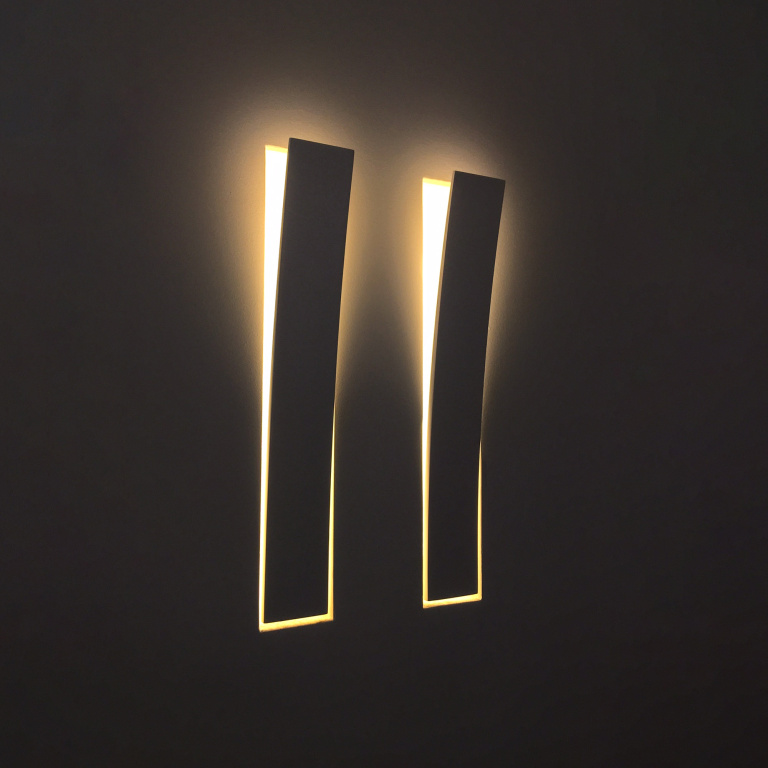
- Wall lights: wall lamps for the corridor, beside the bed, on both sides of a mirror or along a bench. They light the walls and add depth.
- Recessed wall lights: low light along stairs and corridors that lights the way without glare.
- Floor lamps: for a reading corner or beside a sofa, with no electrical work beyond a socket.
- Table lamps: on a sideboard, a side table or a desk; close, personal light.
- Track spotlights: flexibility. Move, add and aim the fixtures along the track, on a standard or a magnetic track.
- Lighting profiles: lines of light in the ceiling and the wall, and hidden lighting in a cornice or under cabinets.
- Plaster light fixtures: fixtures that merge into the wall or the ceiling and are painted with it, so that only the light remains. Many of the fixtures by Light Casting are cast in plaster and painted in a colour of choice.
- Outdoor lighting: fixtures for the facade, the garden, the terrace and the paths, with protection ratings made for outdoors.
All the categories and brands are in the lighting catalogue of Barami Lighting.
Lighting design for architects and designers
In a project, lighting is part of the design, not a last-minute addition. Barami Lighting works alongside architects, interior designers and lighting consultants on projects for private homes, hotels, restaurants and retail chains, and brings to the project:
- lighting design and lighting calculations for the project;
- BIM, DWG and 3D files on request, and specifications and photometric files (IES/LDT) to download on the product pages;
- support for the project on site as well, and special terms for professionals.
Barami Lighting is the exclusive representative in Israel of European lighting brands, among them Occhio, Catellani & Smith, Terzani, Penta and Venicem. Everything for professionals is on the page For architects and designers.
See the lighting lit: the showroom in Bnei Brak
The difference between fixtures, materials and finishes is easiest to understand when you see them lit. At our showroom in Dan Design Center, HaLehi 2, Bnei Brak, you can see the fixtures lit, compare them and get a feel for materials and finishes before choosing. Book a meeting at the showroom, or call 054-5538204.
Questions and answers about lighting
Where do you start planning lighting?
With a list of what is done in each room, and a plan marked with the main furniture. Only once it is clear where ambient light, task light and accents are needed do you choose fixtures.
Which colour of light suits a home?
In living spaces and bedrooms 2700K to 3000K, and in the kitchen and work areas 3000K to 3500K. If in doubt, 3000K is a safe choice for the whole home, as long as all the fixtures seen together share the same colour of light.
How much light does a room need?
The light falling on a surface is measured in lux. A living room usually takes 100 to 200 lux of ambient light, and the kitchen worktop 300 to 500 lux.
Can different kinds of fixtures be combined in one room?
Yes, and that is exactly what makes good lighting: recessed lights for the ambient light, a pendant or a wall lamp as a design piece, and spotlights for accents. What matters is one colour of light and one design language throughout the space.
