













Lighting for restaurants
More information
Restaurant lighting: over the tables, the bar and the terrace
In a restaurant the lighting is part of the experience: it sets the mood, how the food and the people look, and how the space feels from lunchtime to late at night. Barami Lighting works alongside architects and interior designers on projects for restaurants, hotels and chains.
Over the tables
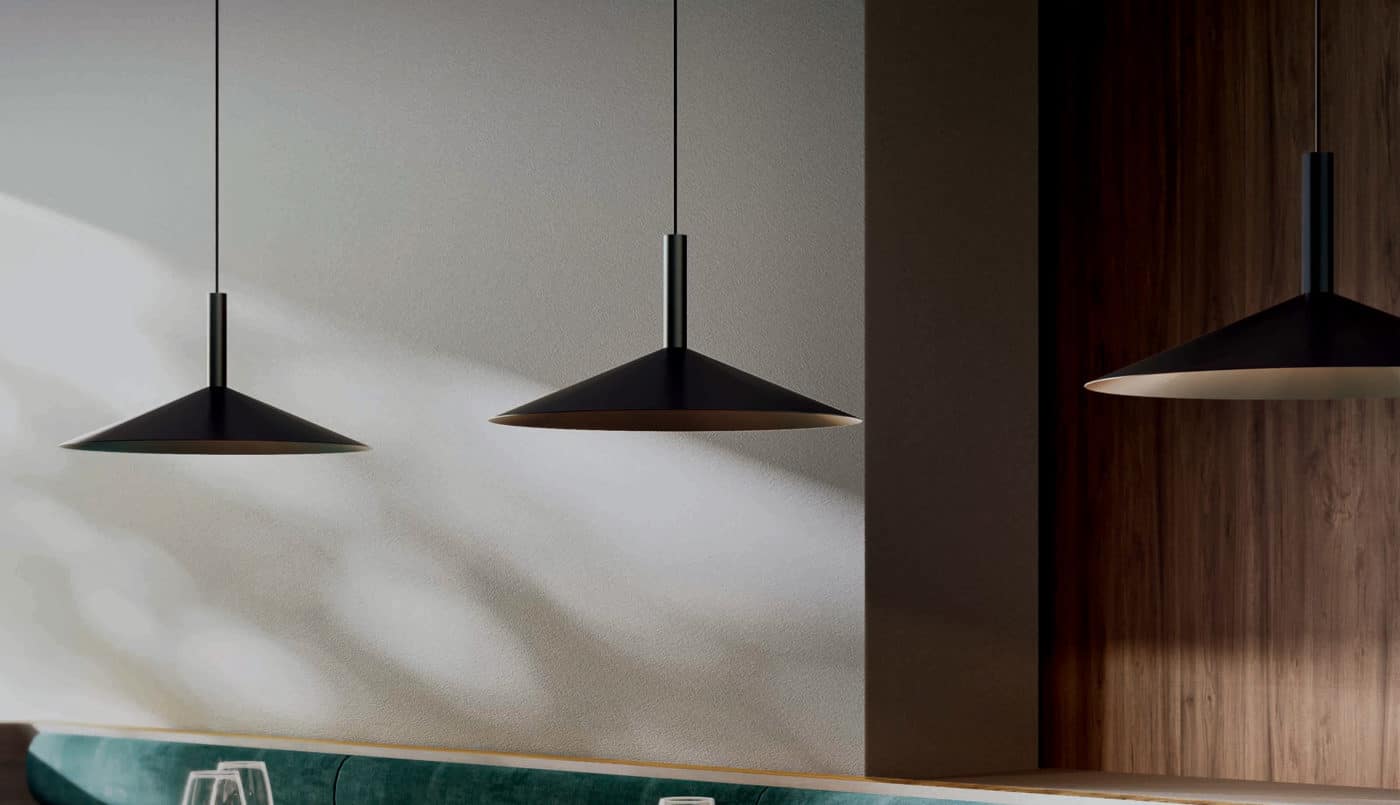
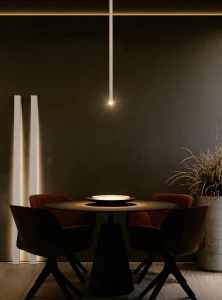
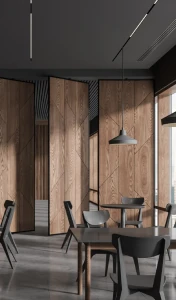
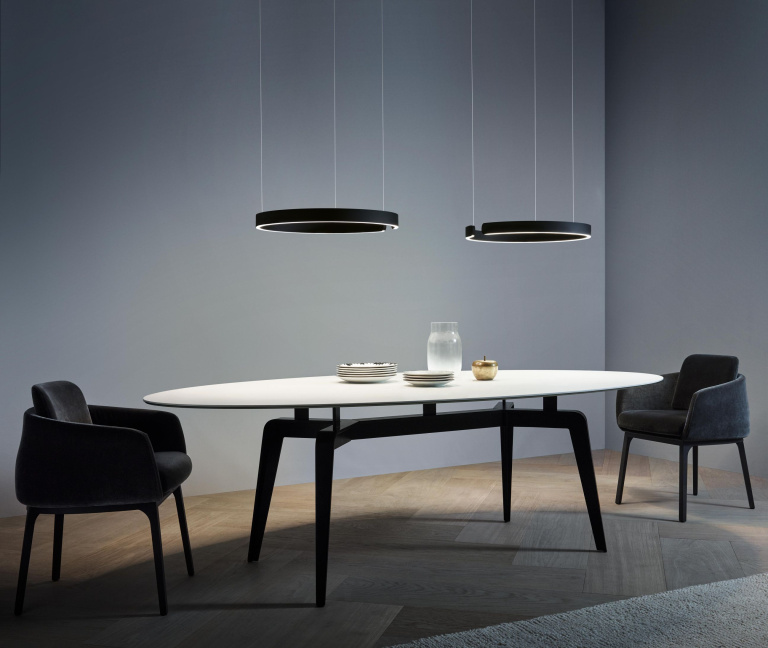
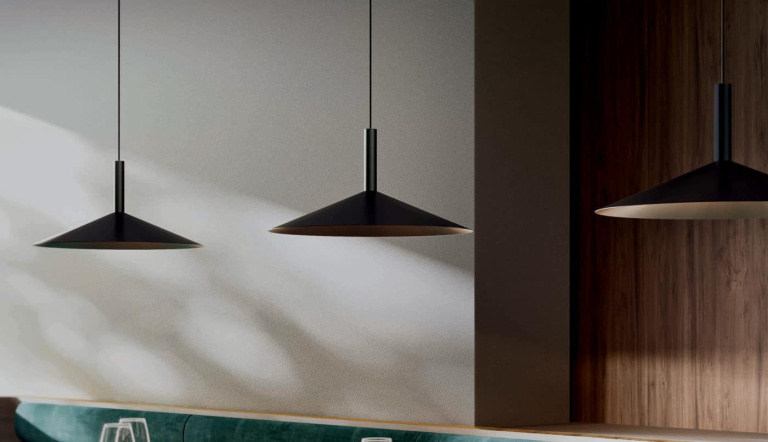
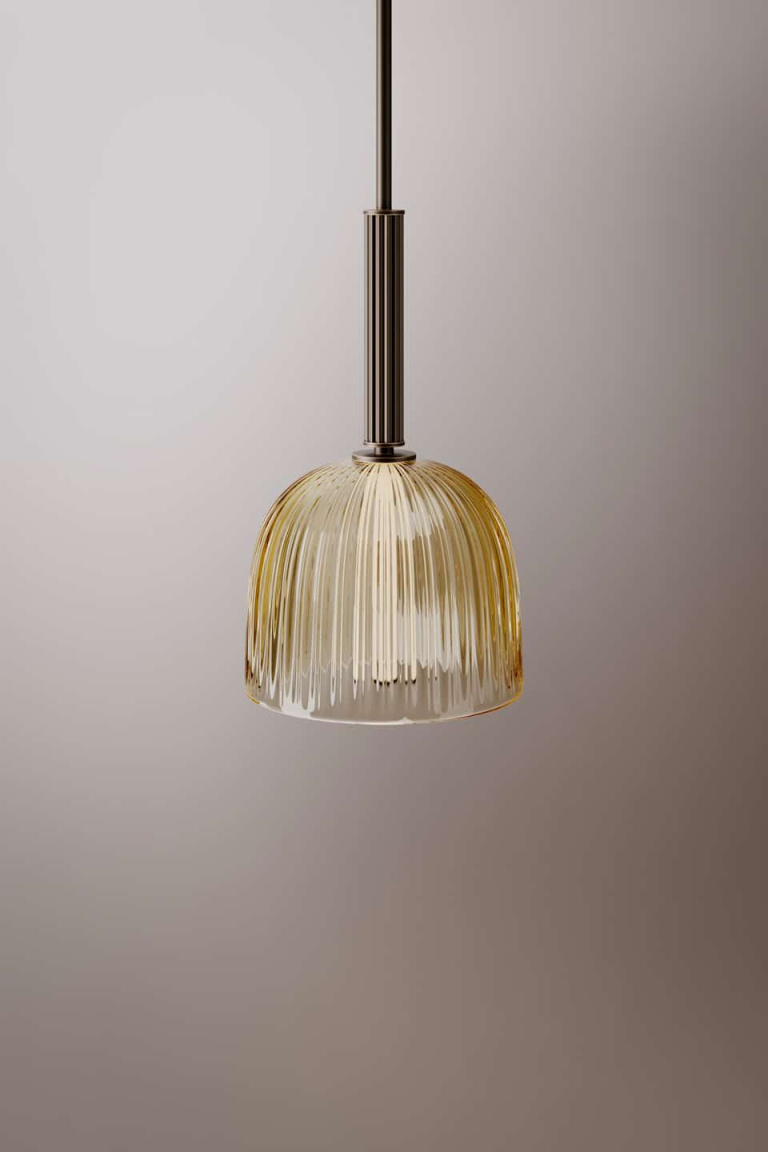
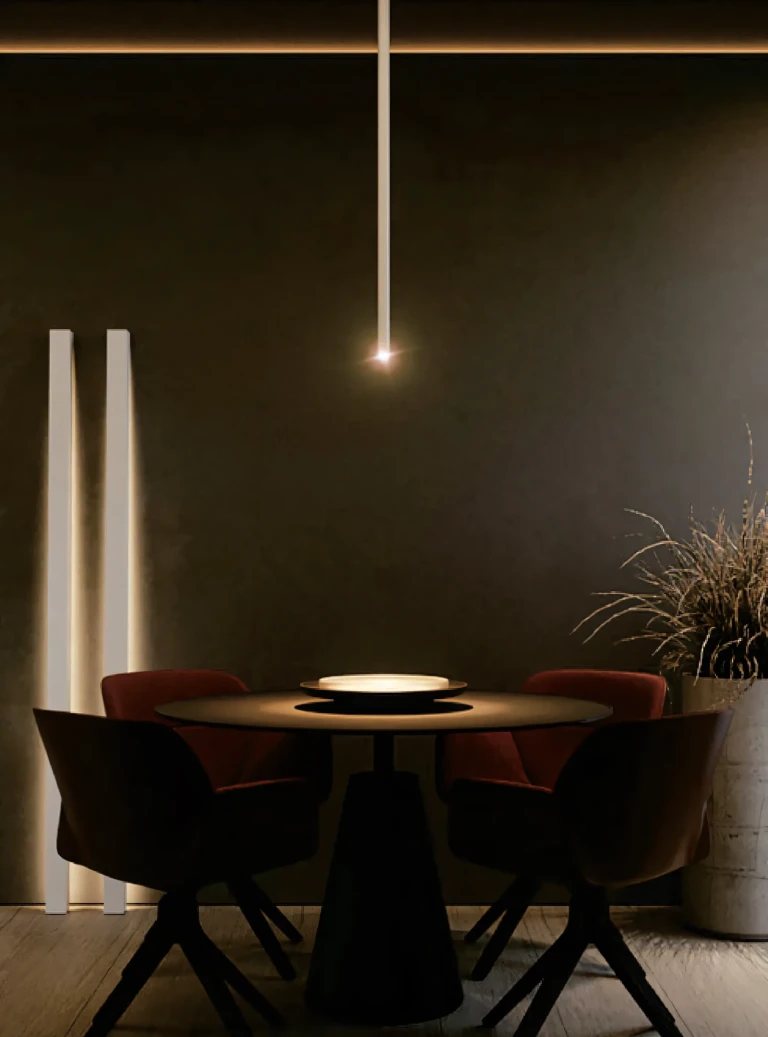
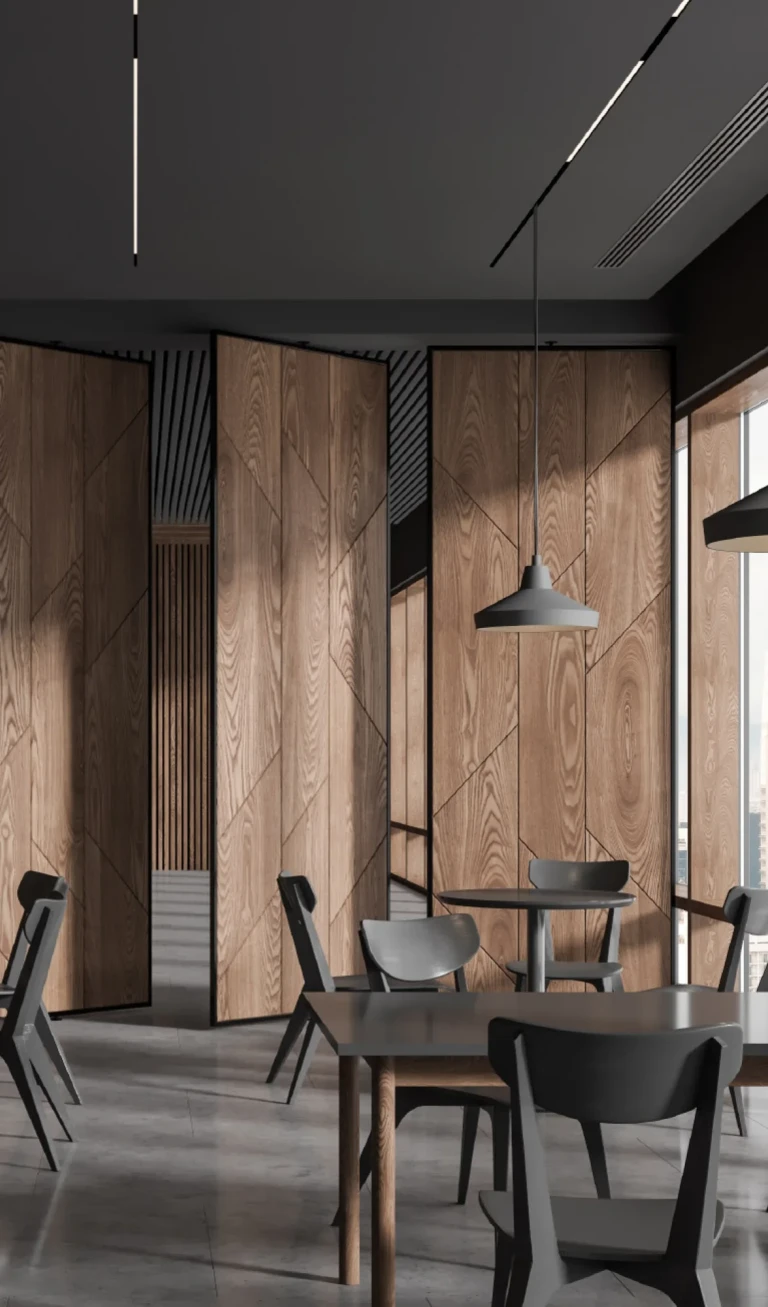
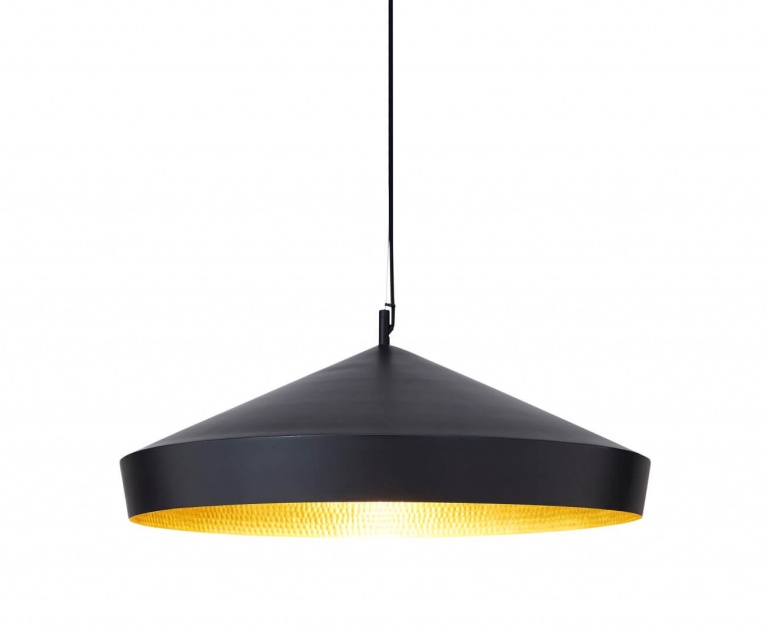
Pendant lamps over the tables give each table a light of its own; the height and the size of the pendant follow the table.
The bar and the room
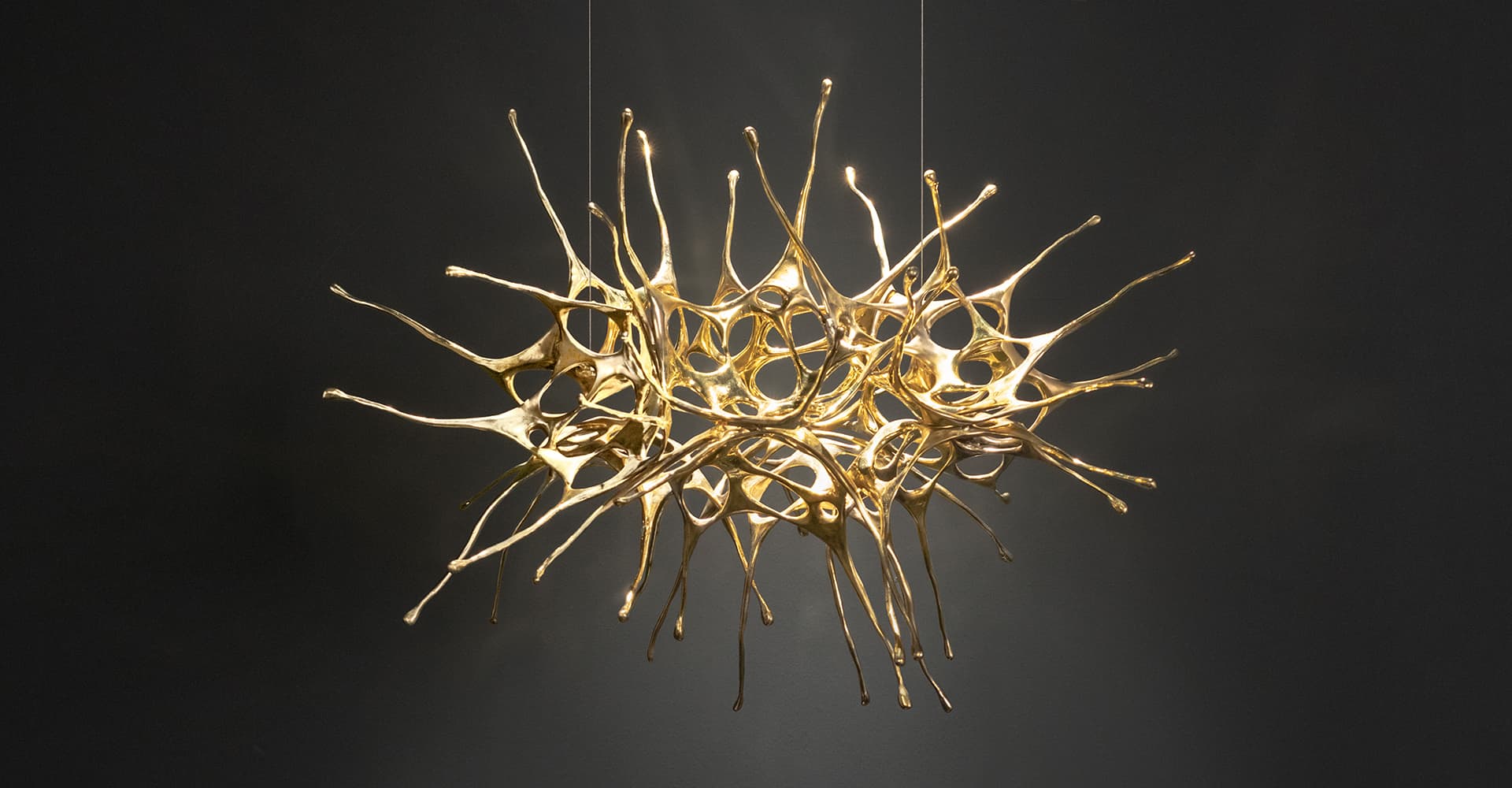
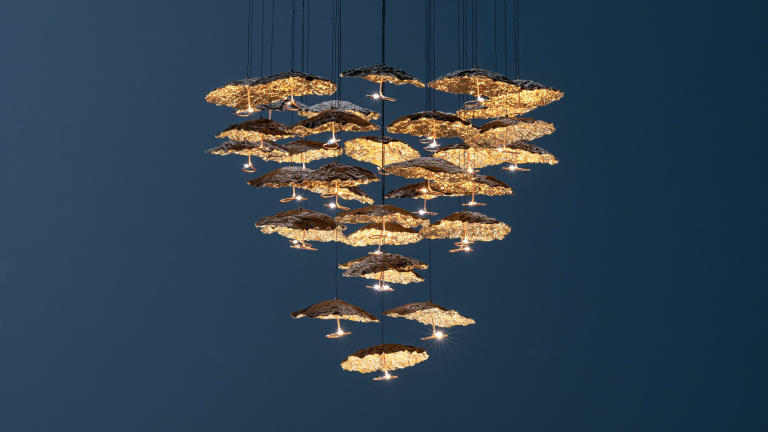
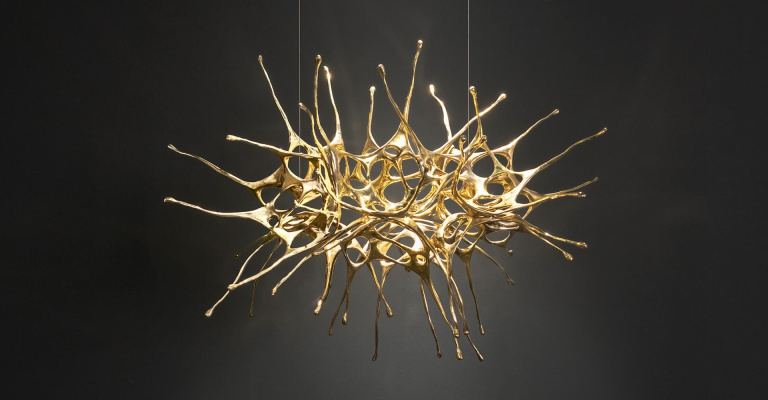
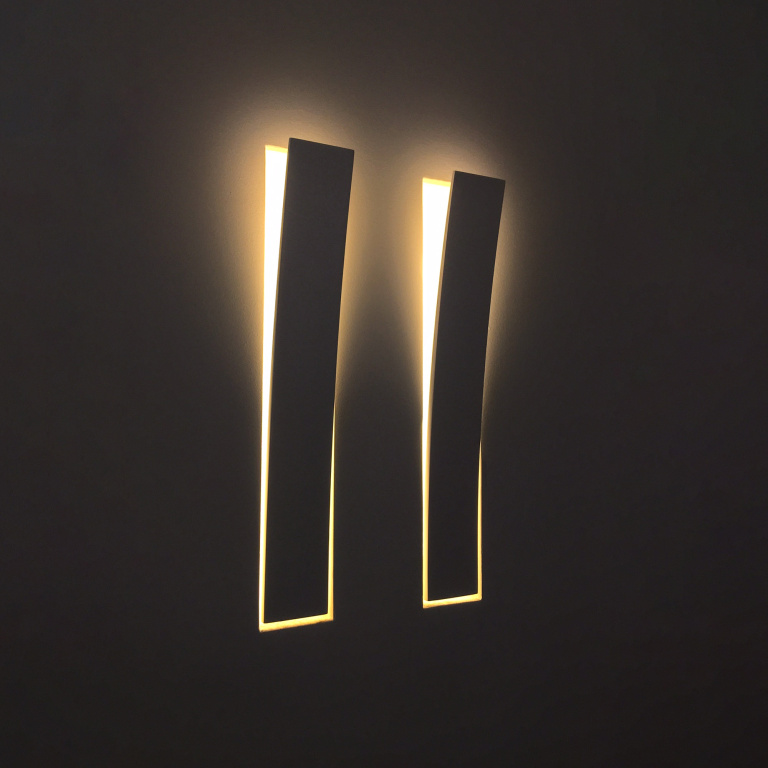
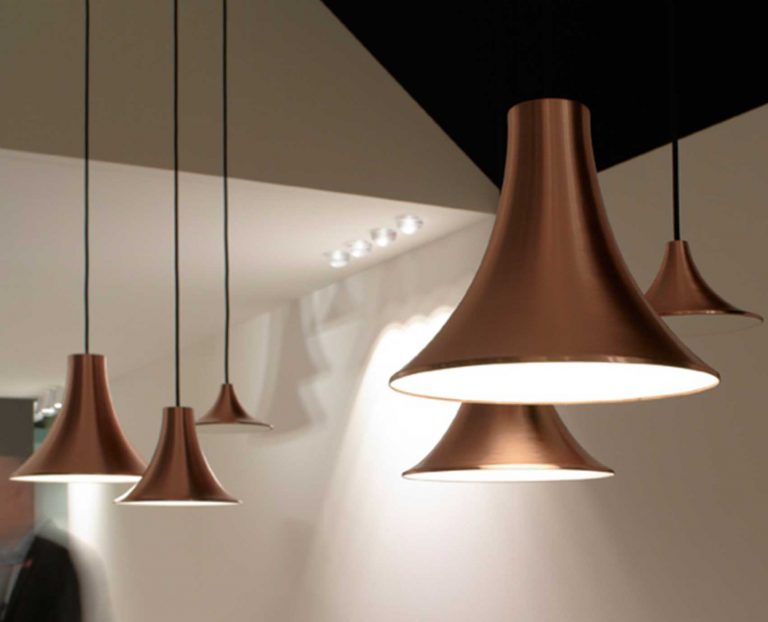
The bar is often the place to be bold: fixtures that are a design piece, such as handmade lamps by Catellani & Smith or the “light sculptures” of Terzani. Beside them, wall lamps and recessed lighting complete the picture.
Colour of light and dimming
The colour of the light and its colour rendering (CRI) affect how food and materials look. Dimming lets the same room move from lunch to dinner.
Terrace and facade
Outdoor seating and the facade need fixtures made for outdoor conditions; you will find them in the category Outdoor lighting.
What Barami Lighting brings to the project
- Lighting design and lighting calculations for the project.
- BIM, DWG and 3D files on request, and specifications and photometric files (IES/LDT) to download on the product pages.
- Support for the project on site as well.
For architects, interior designers and lighting consultants, everything is gathered on the page For architects and designers.
Among Barami Lighting’s clients in the restaurant trade: Sushi Rehavia, Kampai street wok, Hook Asian Kitchen, Luciana Italian House, Roza Bistro Bar, Burger Market and Agadir Burger. The full list is on the page Clients.
Planning restaurant lighting, zone by zone
A restaurant is several spaces under one ceiling, and each of them needs a different light. The entrance should invite people in, the seating area should flatter the food and the people, the bar can be dramatic, and an open kitchen needs working light without breaking the mood. So the lighting is planned by zones, not as an even grid of spotlights.
Read the full guide
The entrance and the host stand
This is where diners form their first impression. One striking fixture, a chandelier or a distinctive wall lamp, gives the restaurant an identity from the door, and focused light on the host stand and the till lets staff work comfortably without flooding the whole room.
The seating area: light on the table, not in the eyes
Over a table, hang the bottom of the lamp about 70 to 85 cm above the tabletop, and choose a diameter of about half to two thirds of the table’s width. Along a banquette or over a long table, a linear fixture or two or three pendants at equal spacing give more even light. To avoid glare, choose fixtures that hide the light source behind a shade, a diffuser or a deep recess.
The open kitchen and the pass
An open kitchen is seen from every table. It needs stronger working light, but in the same colour of light as the dining area: all the fixtures seen together should share one colour of light, and a cool spotlight next to a warm lamp looks like a mistake. In work and cooking areas, also check the fixture’s ingress protection (IP) rating in its specification.
A restaurant that is part of a hotel is planned together with the lobby and the rooms; see also Lighting for hotels.
From lunch to late night: layers of light and dimming
The same room works in daylight and in the evening, so plan several layers: soft general light, focused light on the tables and the bar, and decorative light that gives character, each layer on its own dimmable circuit. Dim to Warm fixtures grow warmer as they dim, for example from 3000K at full output to about 1800K at low output, like an incandescent bulb. More in our lighting guide.
Fixtures that are part of the restaurant’s design
In a restaurant, the light fixture ends up in the photos diners take and in their memory of the place. Barami Lighting represents in Israel brands that suit this especially well, some of them exclusively: Venicem, sculptural lamps crafted by hand in Italy, among them blown-glass pieces; Light Casting, many of whose fixtures are cast in plaster and painted in colours of your choice, RAL colours included, so they can match the restaurant’s palette; and Occhio from Munich, a modular system with interchangeable heads, lenses and filters that lets you change the spread and the colour of the light. Alongside them: Catellani & Smith, Terzani and Penta.
Questions about restaurant lighting: colour, height, glare and the bar
Which colour of light suits a restaurant?
Warm light. Around 2700K is usual for the dining area, and an amber 1800K to 2200K suits decorative fixtures and an evening mood. Dim to Warm fixtures, which grow warmer as they dim, suit a restaurant that works both at lunch and in the evening. The most important rule: all the fixtures seen together share one colour of light. See also Colour temperature.
What colour rendering (CRI) does a restaurant need?
For restaurants a CRI of 90 or more is recommended, so that food, wood and fabrics look natural. Also check R9 in the specification: it measures how saturated reds are rendered, is not part of the ordinary CRI average, and matters especially for meat and skin tones. An R9 of 50 or more is considered good, and above 90 excellent.
How high should a pendant hang over a restaurant table?
The rule of thumb: the bottom of the lamp about 70 to 85 cm above the tabletop, that is about 1.45 to 1.60 m from the floor at a standard table. Under a high ceiling, above about 2.80 m, it can go up to about 90 cm above the table. Leave at least 15 cm between the edge of the lamp and the edge of the table on each side, so nobody bumps into it when getting up.
How do you keep the light from dazzling diners?
A seated person’s eyes are at about 1.15 to 1.25 m, below the bottom of a pendant, so a light source exposed from below will dazzle. Over the tables a fixture with a shade or a diffuser is better. For recessed spotlights, choose a light source set deep inside the fixture, a dark reflector, or a honeycomb grid or anti-glare filter at the opening, and do not place them directly above the seats. When the maker publishes a UGR value, a lower value means less glare.
How do you light a restaurant bar?
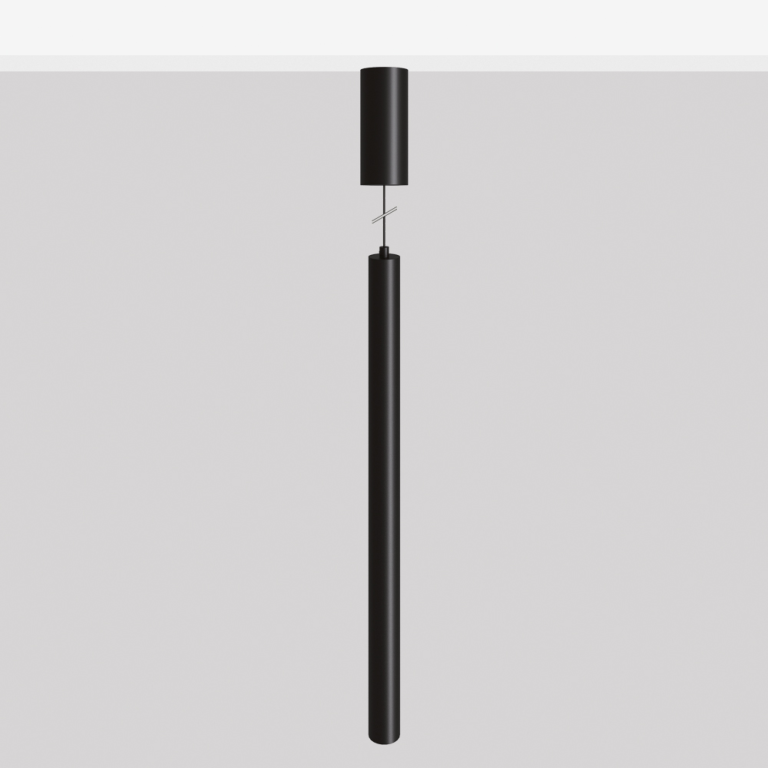
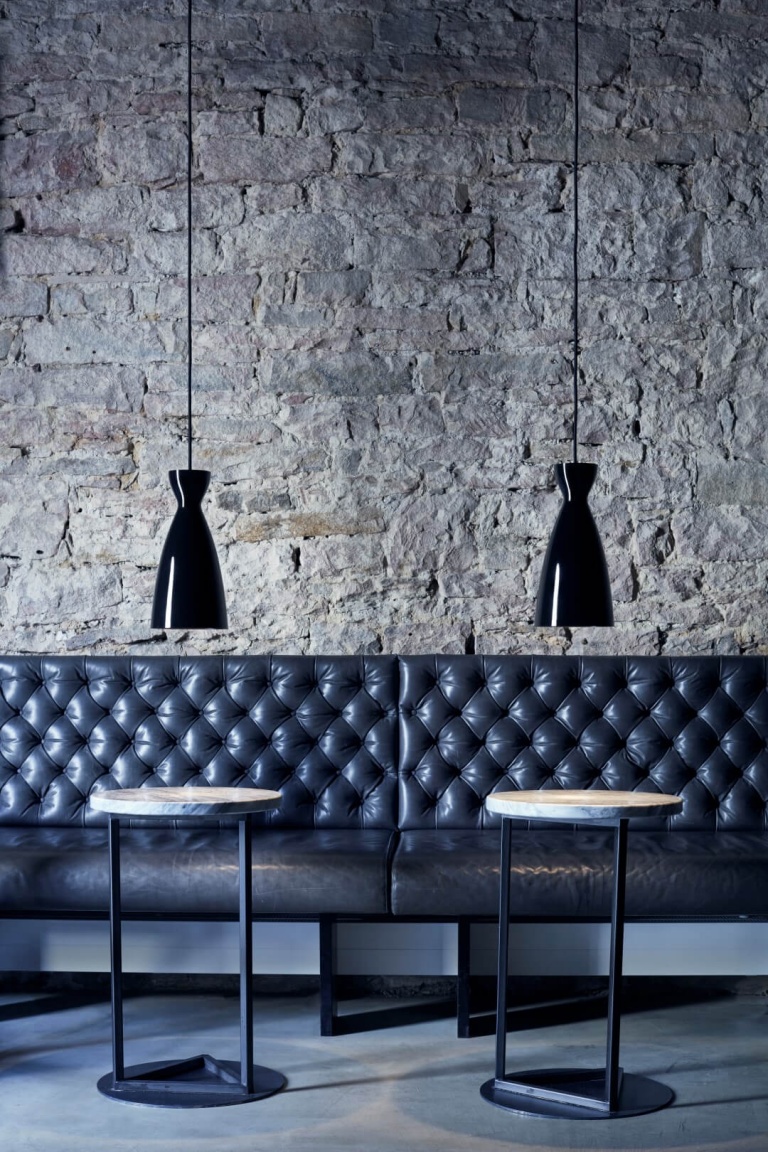
Hang several pendants in a row over the counter: divide its length into equal parts and hang a lamp at the centre of each, or choose one linear fixture along it. Here too a fixture that hides the light source is better, so people sitting at the bar are not dazzled. Light the shelves behind the bar separately, with an LED strip or aimed spotlights, so the bottles stand out, and put the bar on its own dimming circuit, so that in the evening it can be warmer and dimmer than the rest of the room.
When should a restaurant’s lighting be planned?
At the stage when the ceilings and the electrical work are planned, before the ceilings are closed. The positions of the fixtures, the division into circuits and the dimming are set in advance, and changing them later is harder and more expensive. So it is worth building the lighting design and the lighting calculations into the architect’s or designer’s plans from the start.
Café lighting
A café works from morning to evening and its light changes through the day, so plan the lighting in layers that can be switched and dimmed by the hour. The counter and the display need light that brings them out (track spotlights can be aimed and changed), and the seating area pendant lamps over the tables and wall lamps along the benches. Among Barami Lighting’s clients: Aroma, Cafe Cafe, Kafit, Lechem Erez and Waffle Factory.
Read the full guide
The counter, the barista station and the display
Every customer comes to the counter, and the team works there all day. The barista needs good working light, and the pastries and dishes in the display need light that brings them out. Track spotlights can be aimed and changed when the menu or the layout changes, without opening the ceiling. A row of pendants over the counter marks it from afar, and the menu board needs its own even, aimed light so it can be read from the queue.
The seating area
Pendant lamps over the tables give each table a light of its own, and wall lamps along the benches add soft light at eye level. A seated guest sees the lamp from below, so a fixture with a diffuser or a shade that hides the light source avoids glare. For tables with no socket nearby there are portable table lamps with a rechargeable battery that move from table to table: for example Luna pura by Occhio, Giulietta BE by Catellani & Smith and Tom Dixon’s Portable lights, all in the table lamps category.
The colour of light and the food
The colour of the light changes how the coffee, the pastries and the people look. Our page on colour temperature explains that 3000K, warm white, suits cafés: a warm shade with a slightly more natural, rich colour. Keep the same shade throughout the room, and choose fixtures with a colour rendering index (CRI) of 90 or more, so the dishes look on the plate as they really are.
Evening, dimming and outdoor seating
Dimming lets the same room move from daylight to evening light. Split the fixtures into separate circuits, for example general light, the counter and the seating area, and check in advance that the fixtures and drivers suit the chosen dimming method: TRIAC, 0-10V, DALI or Casambi. In the evening, a lit facade is what invites people in. Outdoor seating, the facade and the pergola need fixtures made for outdoor conditions, and a portable table lamp taken outside must be suitable for it too; check the protection rating (IP) in the model’s specification.
Planning the café’s lighting
For a new café or a renovation, the Barami Lighting team works alongside the architect or interior designer: lighting design and lighting calculations from the makers’ photometric files (IES/LDT), BIM, DWG and 3D files on request, and support for the project on site. Barami Lighting is the exclusive representative in Israel of Occhio, Catellani & Smith, Terzani, Penta and Venicem, so the fixtures are planned with people who know them closely. Everything for professionals is on the page For architects and designers.
Café lighting: frequently asked questions
What colour of light suits a café?
Usually warm white at 3000K. According to our colour temperature page, 3000K suits cafés and shops, while 2700K, the warmer shade, suits places where people relax, such as restaurants and hotels. Just as important: keep the same shade throughout the room.
Can we put lamps on the tables without a cable?
Yes, with portable table lamps that run on a rechargeable battery. According to the product pages, Giulietta BE by Catellani & Smith is switched on with a touch and set to one of three light levels. Bell Portable by Tom Dixon runs 6 to 9 hours without a cable, charges with a magnetic charger and, being rated IP44, suits outdoor use as well. Luna pura by Occhio lets you change the colour of light between 2200K and 3500K. For outdoor seating, check in each model’s specification that it suits outdoor use.
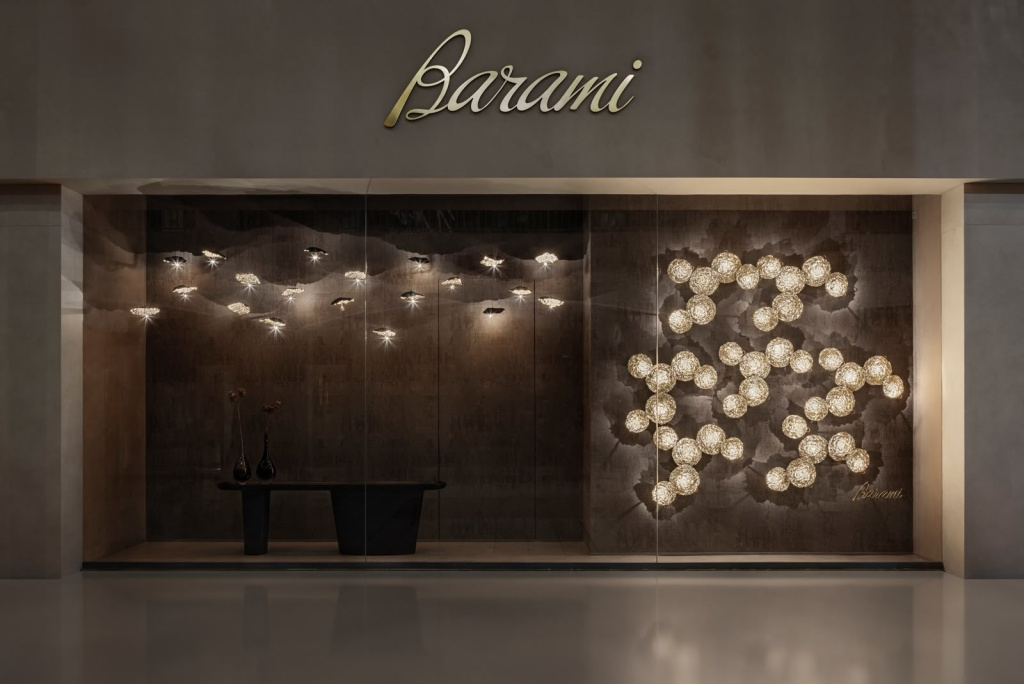
See the fixtures lit
At our showroom in Dan Design Center, HaLehi 2, Bnei Brak, you can see the fixtures lit, compare them and get a feel for materials and finishes before choosing. Book a meeting at the showroom, or call 054-5538204.