













Designer lighting brands: Occhio, Catellani & Smith, Penta and Terzani, and what sets each apart
The article
In short: the four brands are very different from one another. Occhio is a German brand founded in 1999, built as a modular light system with interchangeable lenses and control by hand gesture and app. Catellani & Smith is an Italian brand founded in 1989 that makes handmade fixtures, almost like works of art. Penta is an Italian brand with more than fifty years of manufacturing, combining glass, metal and fabric in fixtures for homes and projects. Terzani creates handmade “light sculptures” in glass and metal. The choice starts with the question of what the fixture’s role in the space is: to give precise light, or to be the centrepiece of the room.
Anyone looking for a designer light fixture very quickly comes across the names of European brands, and it is not always clear what the difference between them is beyond the picture. This guide sums up, based on the makers’ own material and on the models featured on the website, what characterises each of the brands on the Barami Lighting website, and what each of them is suited to.
Occhio: a light system, not just a fixture
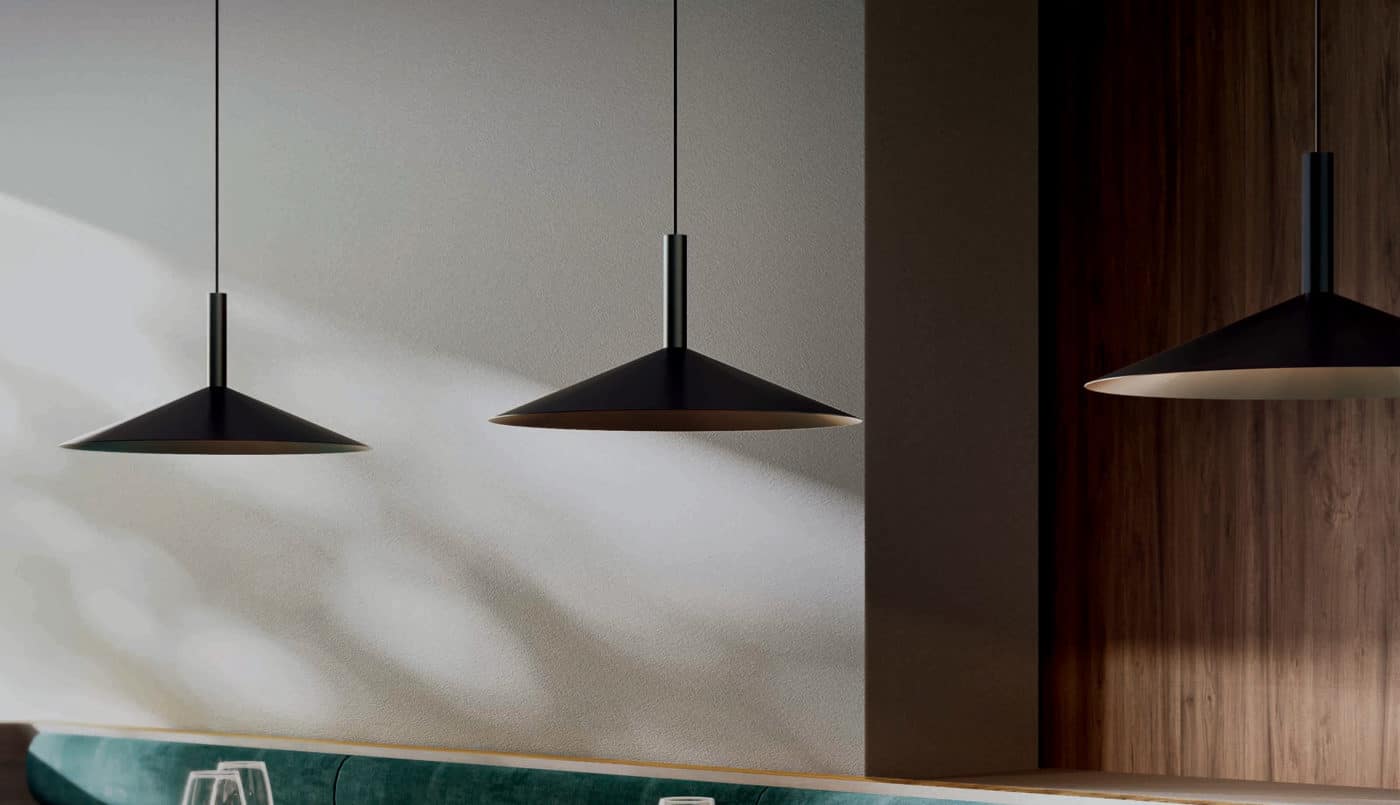
Occhio was founded in 1999 by the designer Axel Meise. According to the maker, the central idea is a modular “head and body” system: the same light head can sit on a ceiling, wall, floor or table body, and its lenses and filters can be changed to alter the character of the light. Occhio also develops advanced control: switching on and dimming with a hand movement near the fixture, Bluetooth control (Occhio air), and colour temperature tuning.
The main families that appear on the site:
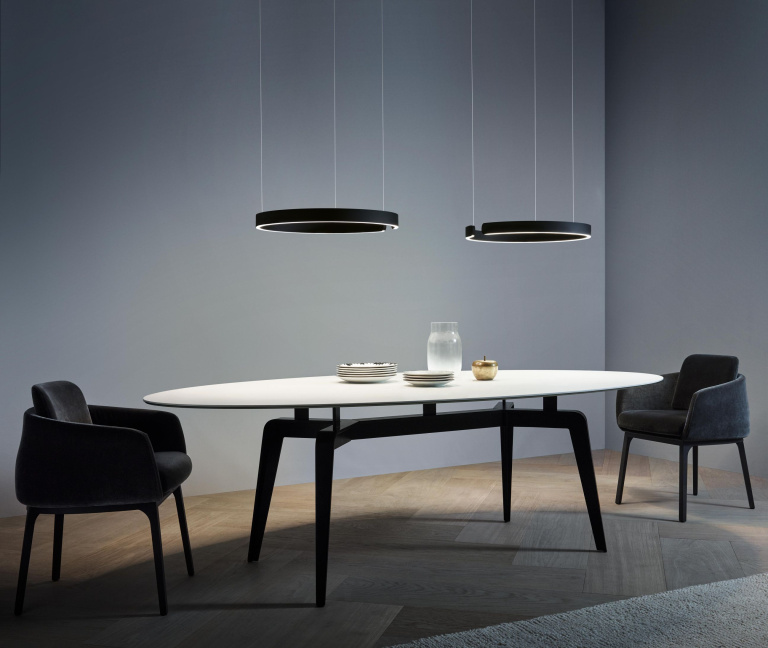
- Mito: rings of light, as pendant, wall and floor versions, for example Mito sospeso over a table, and Mito sfera.
- Sento: small, precise fixtures for reading and for the wall, such as Sento lettura.
- Luna, Gioia and io: table, floor and wall fixtures, for example Gioia equilibrio.
- Sito: outdoor fixtures, such as Sito giro, which rotates and adjusts.
Suitable for: anyone who wants precise, flexible light, clean design and advanced control; homes, offices and hotels where the fixture needs both to light well and to look good.
Catellani & Smith: handmade fixtures
Catellani & Smith was founded in 1989 by Enzo Catellani, who wanted to design and make lamps by hand. According to the maker, the fixtures are made in Italy, on the banks of the river Serio. The materials are varied and unconventional: metal leaf in gold, silver and copper, raw iron, fibreglass, aluminium wire and glass. And there is a story in the name: “Smith” was taken from the name of a horse Catellani had at the time.
Well-known collections that appear on the site:
- Lederam: thin discs of light on arms, for example Lederam Manta S1.
- PostKrisi: fibreglass bowls with light emerging from the rims, such as PostKrisi 50 / 51 / 52.
- Stchu-Moon: “moons” that reflect the light, for example Stchu-Moon 02.
- Fil de Fer: spheres of metal wire, also in an outdoor version: Fil de Fer.
- Lucenera and Turciù: table, wall and pendant fixtures.
Suitable for: a space where the fixture is the design statement: above a dining table, in a double-height space, in a lobby. In most cases, general light from other sources is planned alongside it.
Penta: glass, metal and fabric, from Italy
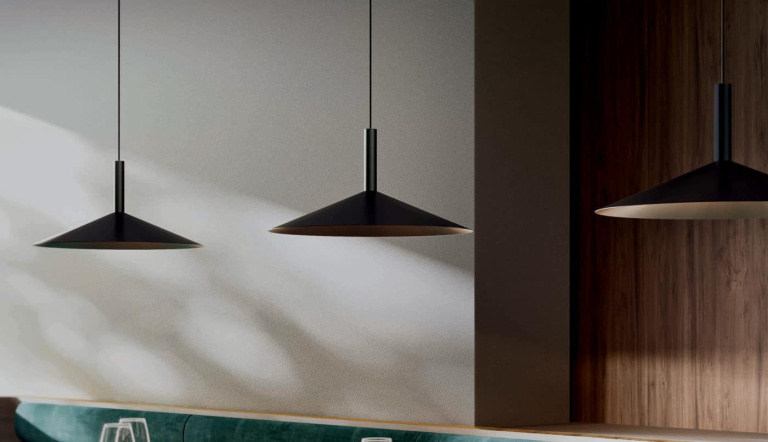
Penta is an Italian brand that presents itself as having manufactured in Italy for more than fifty years, combining craftsmanship with technology. Alongside its collections for the home, it works with architects on projects, and it has a catalogue of fabrics for shades. Many Penta models appear on the site, for example:
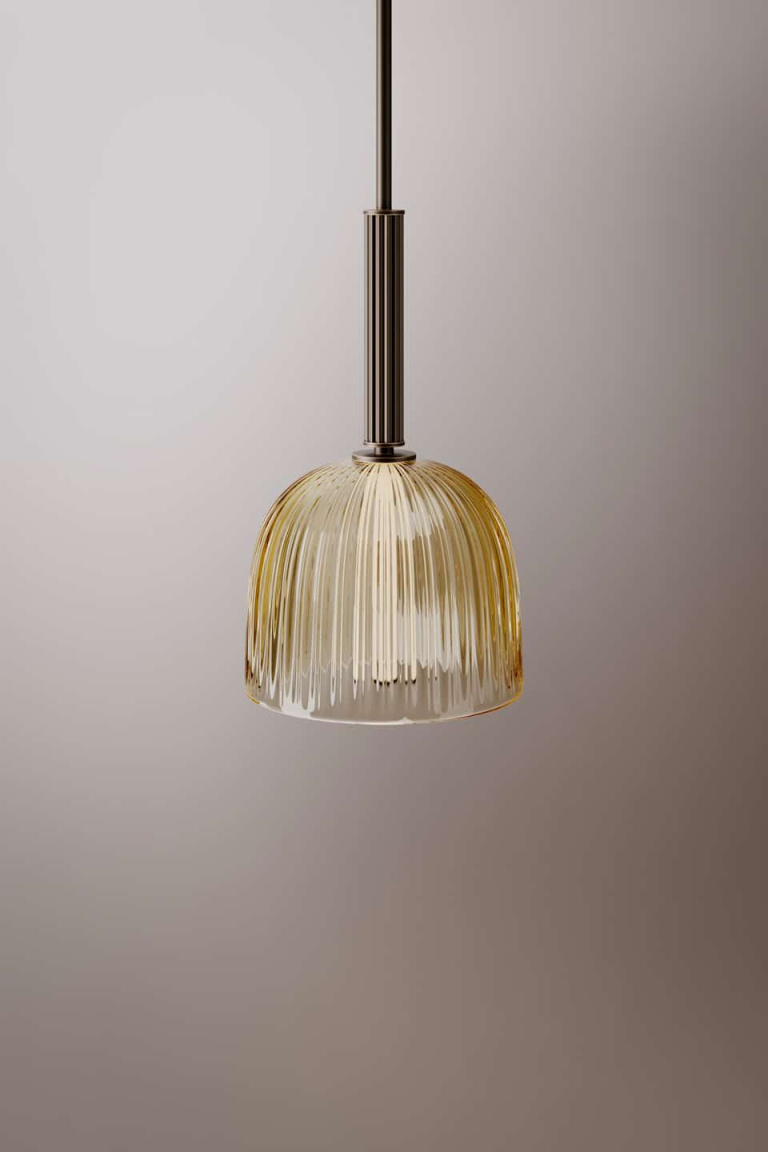
- Mamì: a body of white blown glass in an oval shape, designed by Umberto Asnago, in pendant, table and floor versions.
- Glo Maxi and Narciso: glass pendant lamps.
- Club-House and Luxury: fabric shades.
You can browse by type: Penta pendant lamps, wall lights, floor lamps and table lamps.
Suitable for: anyone looking for an elegant, quiet fixture, with a whole family of versions (pendant, wall, table and floor) to keep a consistent language throughout the home.
Terzani: light sculptures
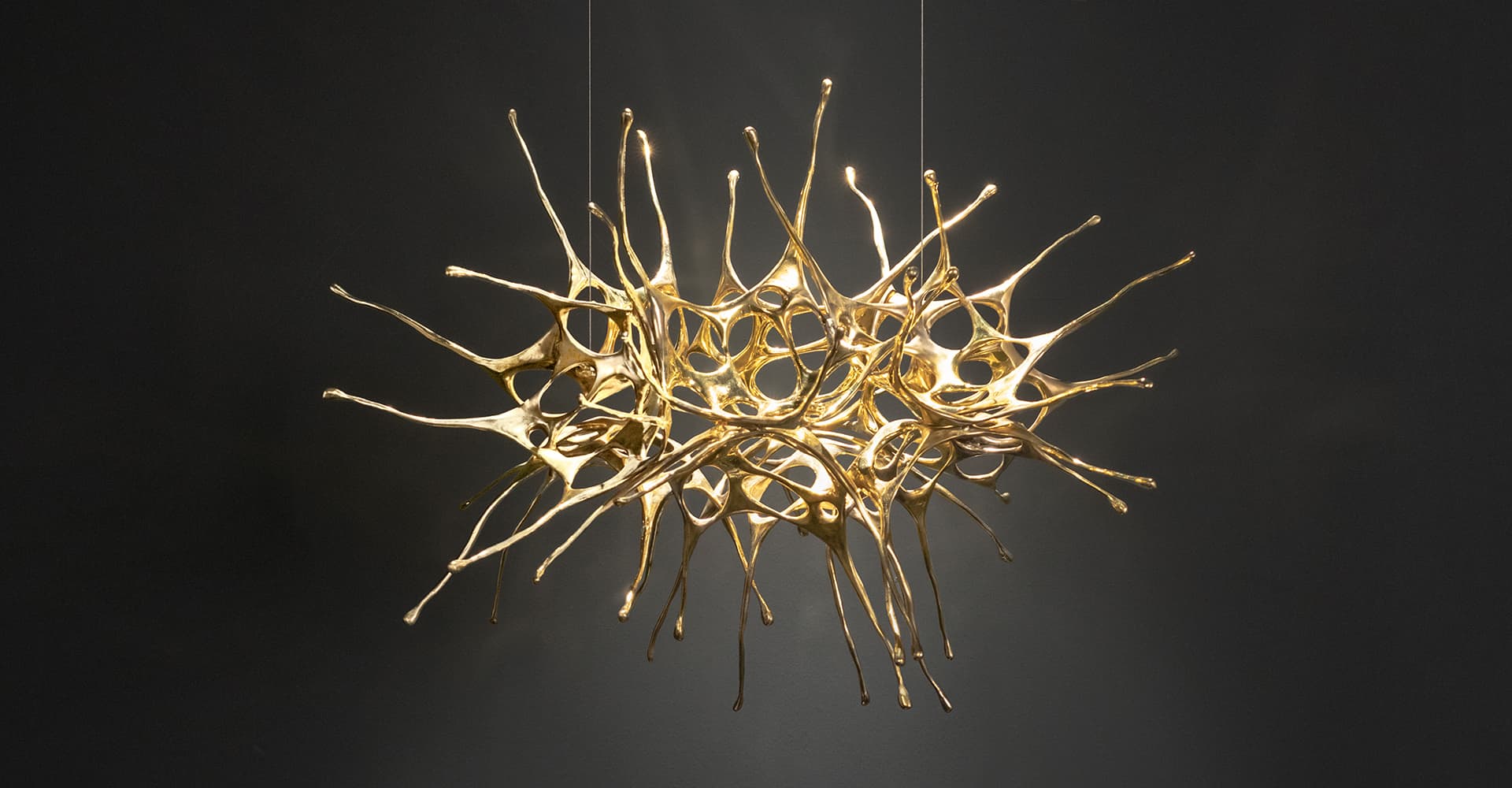
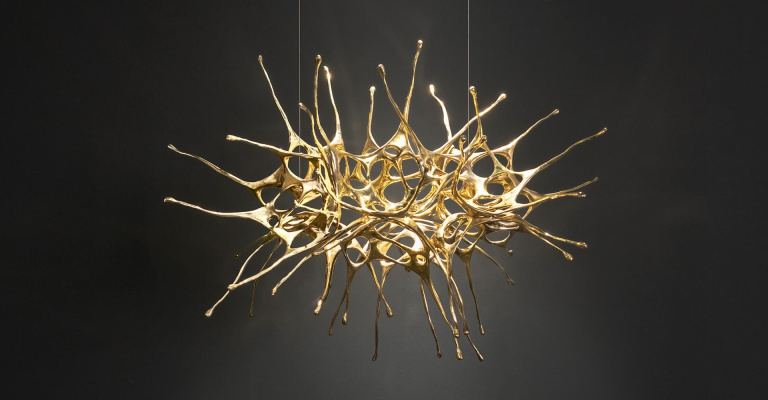
Terzani describes itself as a brand that combines sculpture, light, shadow and movement, and makes its pieces by hand, using traditional methods of working glass and metal. It calls its fixtures “light sculptures”, and that is an accurate description: many of them are made up of dozens or hundreds of hanging components.
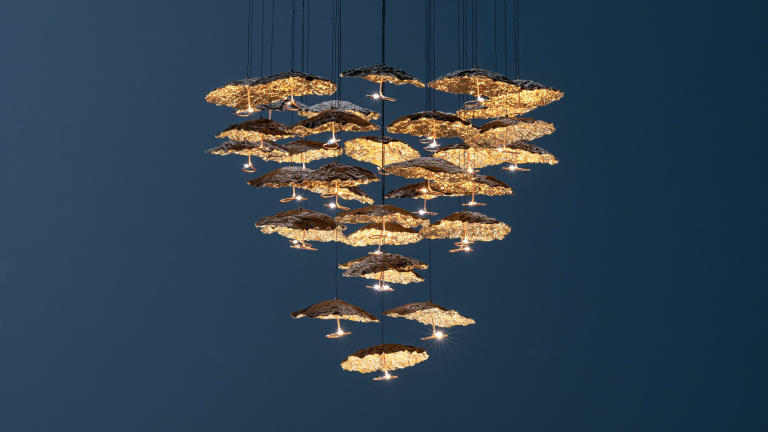
- Manta: waves of crystal glass, designed by Dodo Arslan and Nicolas Terzani, as a single piece and as a trio.
- Abacus: units that can be assembled in several configurations.
- Argent, Soscik and Stream: pendant, wall and ceiling fixtures.
- Newer collections, such as Genesis and Dragon.
For all models: Pendant lamps by Terzani and Wall lights by Terzani.
Suitable for: a lobby, a double-height space, above a staircase or a long table, and anywhere you want the fixture to look like a work of art even when it is off.
Quick comparison
| Brand | Source | What makes it special | The natural role in the space |
|---|---|---|---|
| Occhio | Germany, since 1999 | Modular system, interchangeable lenses, advanced control | Precise light that also looks good |
| Catellani & Smith | Italy, since 1989 | Handmade, unusual materials | Centre of the room, a design statement |
| Penta | Italy, more than 50 years | Glass, metal and fabric, entire families of versions | An elegant fixture in every room |
| Terzani | Italy | Handmade light sculptures in glass and metal | Lobby, double-height space, above a long table |
And what else is on the site
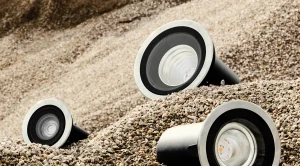
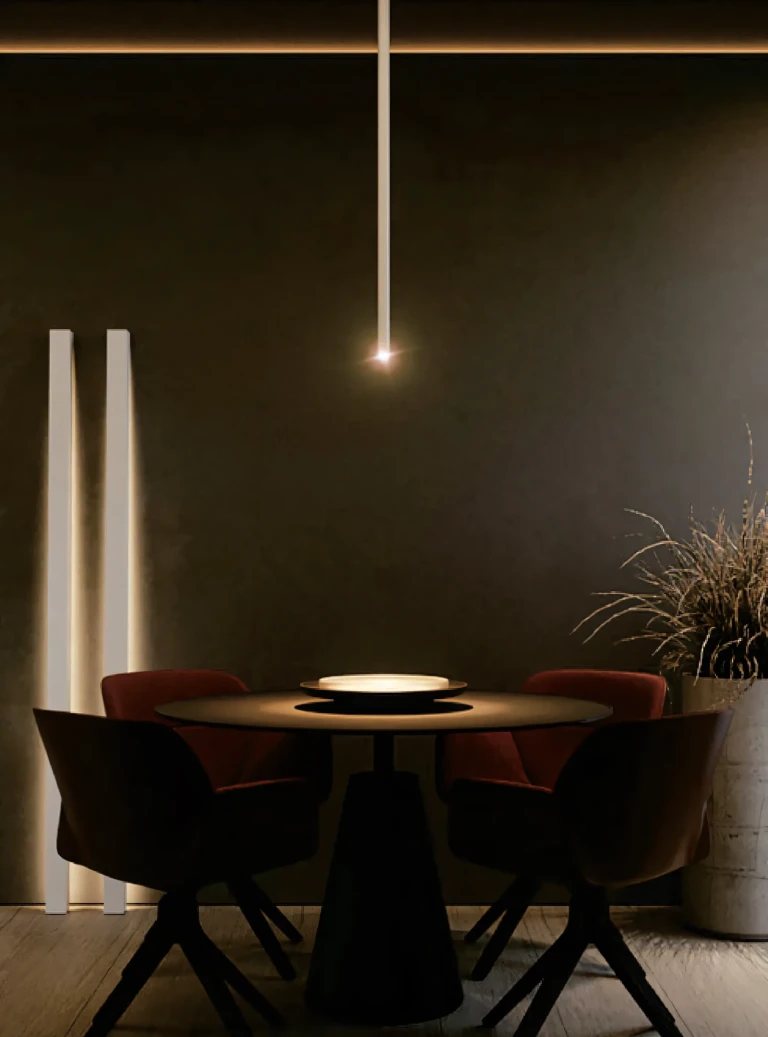
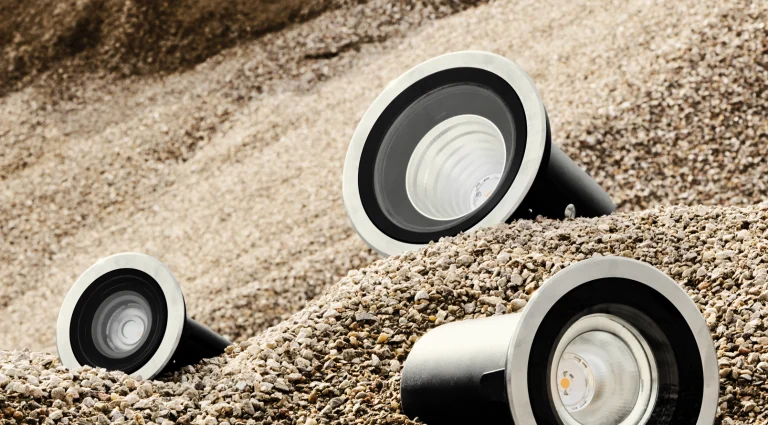
Alongside these four brands, the website features further brands, such as Tom Dixon, Venicem and Light Casting on the decorative side, and Flexalight on the architectural side: recessed spotlights, tracks and magnetic systems. It is worth distinguishing between the two types. A decorative fixture is chosen for its look and the atmosphere it creates; an architectural fixture is chosen for the quality of its light, its glare control and its precision, and it is meant to almost disappear. A well-planned home combines both. On the architectural side, see How to choose recessed spotlights and Magnetic track and standard track. The list of all the brands is on the brands page.
How to combine several brands in one home
There is no need to choose one brand for the whole home. On the contrary, a home in which all the fixtures come from the same collection sometimes looks like a catalogue. A good combination usually rests on a few principles:
- One main fixture in each space. A sculptural fixture by Terzani or Catellani & Smith above the dining table, with quieter fixtures beside it, and not two “stars” competing with each other in the same line of sight.
- Architectural light that disappears. Spotlights and tracks in one uniform shade throughout the home, so that the eye rests on the decorative fixtures.
- A shared language of materials. Brass, white glass, black metal: one or two materials that recur from space to space tie different brands together.
- Consistent colour temperature. Most decorative fixtures come in 2700K to 3000K. It is worth choosing the spotlights in the same colour temperature.
How to choose between brands
- Start from the role: does the fixture need to light a table, give general light or be the centrepiece of the room?
- Check the light data: lumens, colour temperature, colour rendering and dimming method appear on the product pages. A decorative fixture sometimes gives less light than the picture suggests. See colour temperature and colour rendering.
- Check the dimensions and hanging height against the table and the room. See at what height to hang a lamp and what size to choose.
- Ask about delivery times: handmade fixtures are sometimes made to order, and it is worth finding out the schedule in advance.
- Insist on the genuine article: an invoice, a warranty certificate, and a product that carries the maker’s name and markings. Some makers’ specification sheets also show the registration of the light source in the European EPREL database.
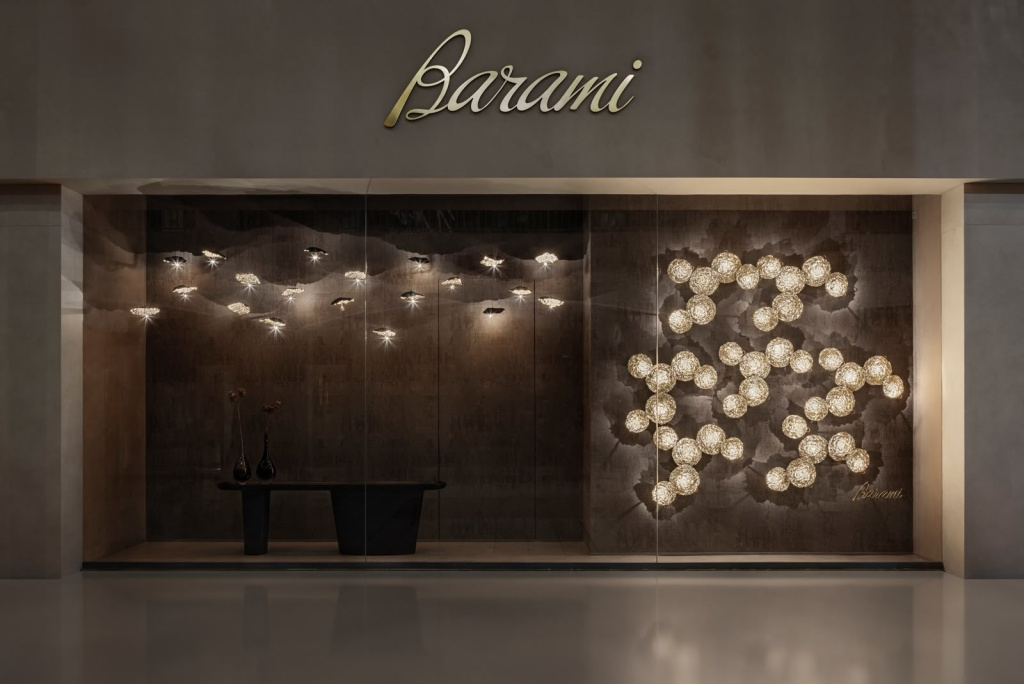
A designer fixture is worth seeing switched on before deciding. You can arrange a visit to the showroom of Barami Lighting at Dan Design Center, Bnei Brak.
Questions and answers
What is the difference between Occhio and Catellani & Smith?
Occhio is built as a system: modular fixtures with an interchangeable head, lenses and filters, and advanced control such as hand gestures and an app. Catellani & Smith is an Italian studio for handmade fixtures, each of which is a decorative object made with materials such as metal leaf, aluminium wire and glass.
Which brand suits the space above a dining table?
Almost any of them, depending on the atmosphere. An Occhio fixture such as Mito sospeso gives precise light on the table; Catellani & Smith and Terzani suit when you want the fixture to be the centre of the room; Penta offers glass and fabric pendant lamps in several sizes.
How do you know a designer light fixture is original?
Buy through a party that sells the brand, get an invoice and a warranty certificate, and check that the product carries the maker’s name, the required markings and its specification sheet. A price much lower than is usual for the same model is a warning sign.
Are designer light fixtures also suitable for general lighting?
Some are. Fixtures by Occhio, for example, were also built for general light and task light. Sculptural fixtures by Catellani & Smith and Terzani are chosen mainly for the atmosphere, and alongside them general light is planned from other sources.
Can I see the fixtures before buying?
A designer fixture is worth seeing switched on before deciding, because the materials and the light look different than in a photo. You can arrange a visit to the Barami Lighting showroom and ask what can be seen there.